 Akmal Azhar
Lotus has long been known for its lightweight, driver-focused machines. But with the Evija, the brand has taken a bold leap into the future—ditching tradition in favor of unrelenting electric power. With an astounding 2,000 bhp, the Evija isn’t just Lotus’s most powerful car ever—it’s one of the most powerful production cars on the planet. It blasts from 0–186 mph in under nine seconds and reaches a top speed of over 217 mph, putting it firmly in hypercar territory.
The Evija marks a huge shift in Lotus’s design philosophy. Gone are the minimalist interiors and modest figures; in their place is a quad-motor, all-wheel-drive monster. Each wheel gets its own motor, allowing for precise torque vectoring and insane agility. Lotus collaborated with Williams Advanced Engineering to refine the aerodynamics and battery system, resulting in a car that is as advanced as it is fast.
On the Track: Raw, Relentless, and Electric
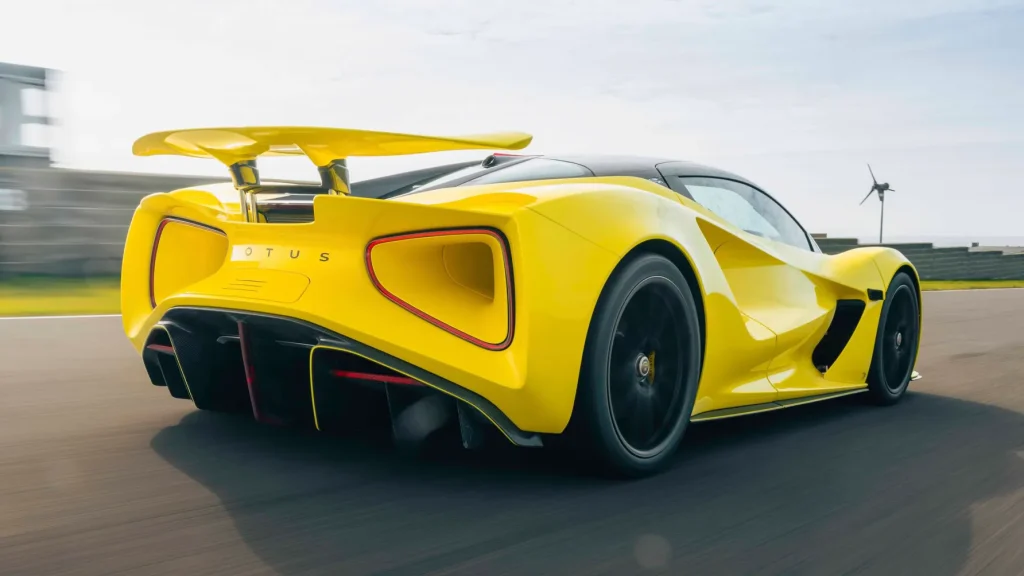
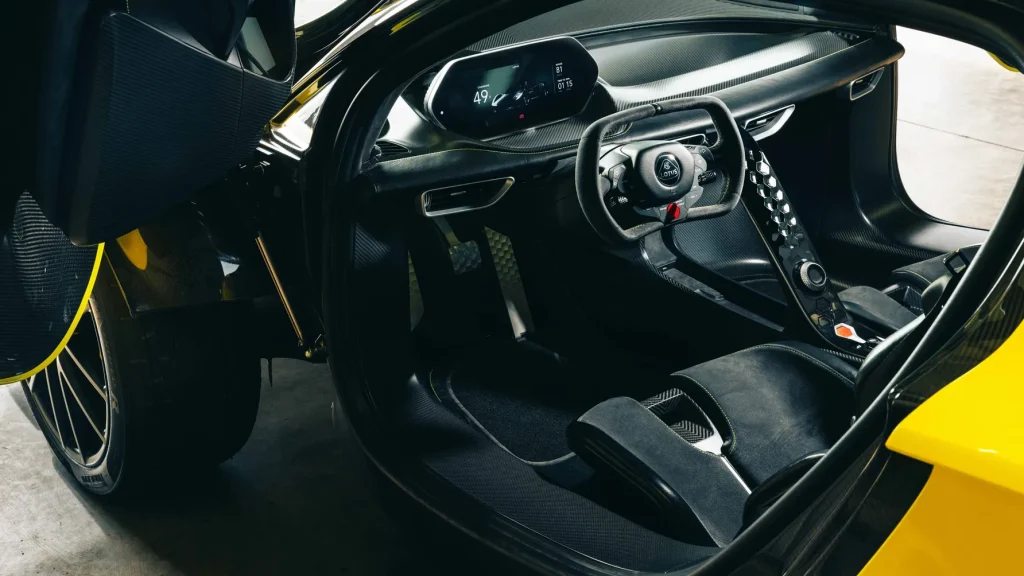
Top Gear took the Evija to Anglesey Circuit in Wales to see what this electric rocket could really do. With ideal track conditions and two cars on standby—one for backup—the Evija delivered a raw and brutal driving experience. The prototype tested was unfinished, with no traction control, exposed cabling, and a stripped-down cockpit. Even so, it was operating at 80% of its maximum power and already felt like a weapon.
While the official WLTP range is 195 miles, the reality is different when pushing hard on the track. During aggressive lapping sessions, range can drop drastically. It’s not designed for long-distance cruising; it’s a short, explosive burst of precision performance. That’s the price you pay for harnessing over 2,000 horses under your right foot.
Handling Like a Lotus Should
Despite its extreme output and electric hardware, the Evija still feels unmistakably like a Lotus. Its chassis and handling characteristics are rooted in the brand’s DNA. The mid-mounted battery layout keeps the center of gravity low and perfectly balanced. Driving the Evija feels almost comical in its responsiveness—like turning a toy car with a flick of your wrist. There’s no delay, no hesitation—just instant response.
Built on a carbon fibre monocoque with adaptive dampers and lightweight magnesium wheels, the Evija tips the scales at around 1,680 kg. That’s impressively light for an electric hypercar, and it helps the car maintain agility through tight corners and high-speed curves.
Breaking Records and Redefining Hypercars
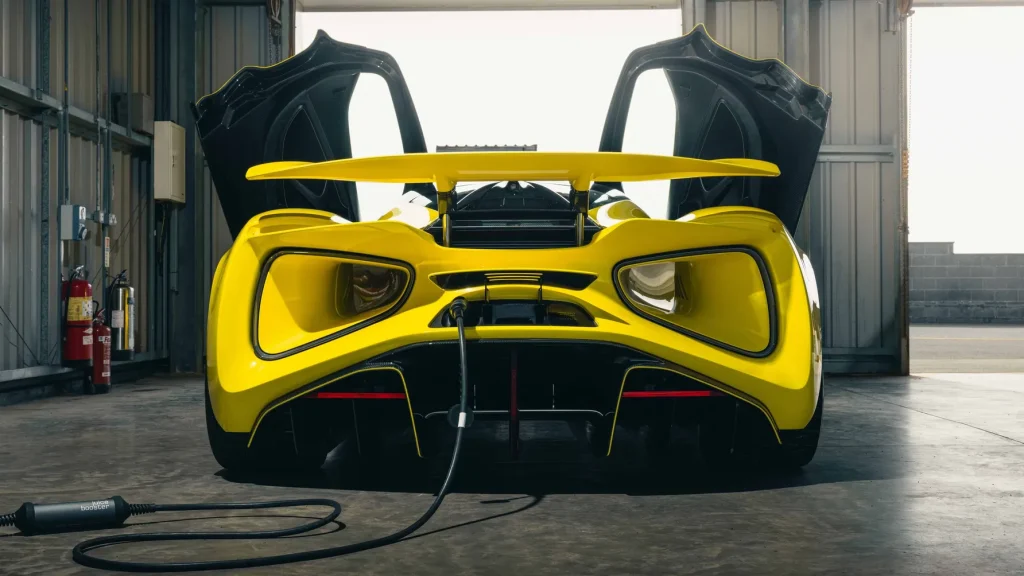
The Evija isn’t just a track toy or design showcase—it’s already made history. Lotus claims it’s the most powerful series-production road car ever built. With four electric motors pushing out 500 PS each and a colossal 1,700 Nm of torque, the numbers are almost hard to believe. It can reach 300 km/h (186 mph) in under nine seconds, a feat few cars can match.
Only 130 units will be made, priced around US $2.3 million each, with customer deliveries already underway. For those wanting even more, Lotus developed the track-only Evija X, which recently lapped the Nürburgring in an astonishing 6 minutes and 24 seconds—ranking it as the third-fastest production-based car to ever take on the Green Hell.
Electric, But Never Soulless
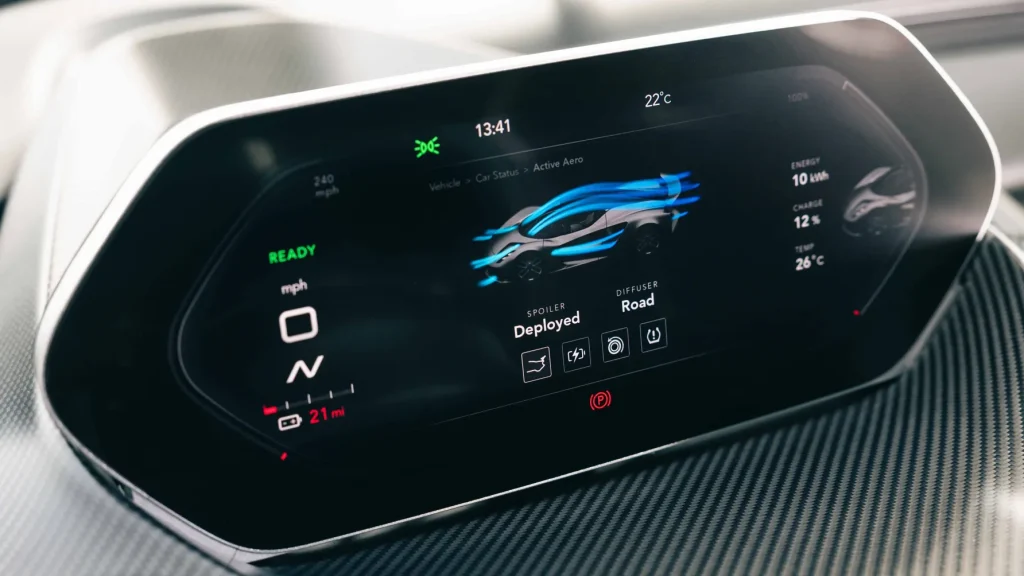
The Evija is a statement—a reminder that electric performance doesn’t have to be silent and sterile. It’s loud in its presence, dramatic in its design, and thrilling in its execution. Where many feared electric vehicles would kill driving emotion, the Evija proves the opposite: that electric cars can be just as visceral and soul-stirring as any combustion-powered machine.
It’s not a reinvention of Lotus, but rather an evolution—retaining the core values of responsiveness and purity while embracing the future of high-performance engineering. With the Evija, Lotus isn’t just keeping up. It’s charging ahead.

 Zakirin