 Zakirin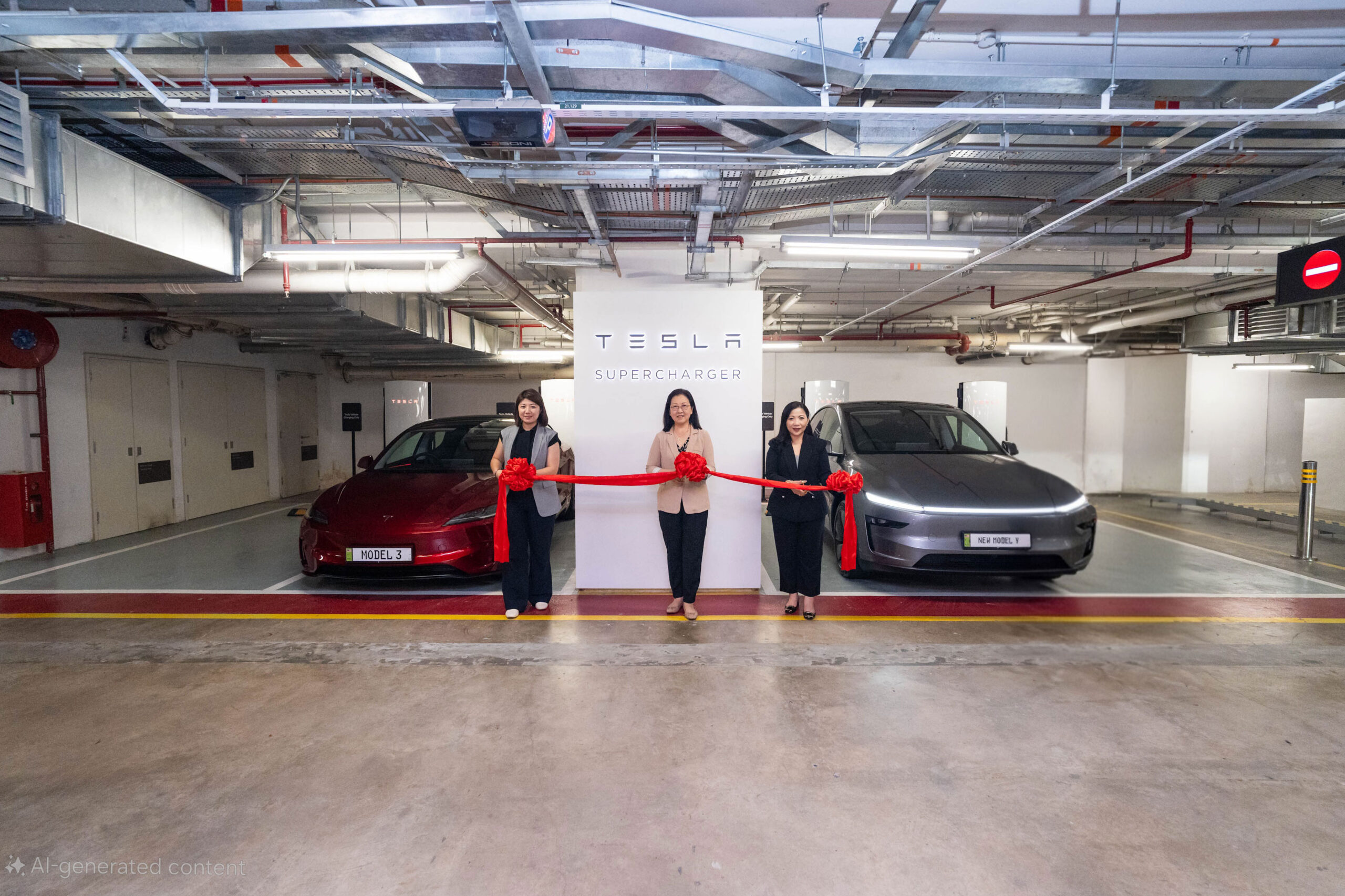
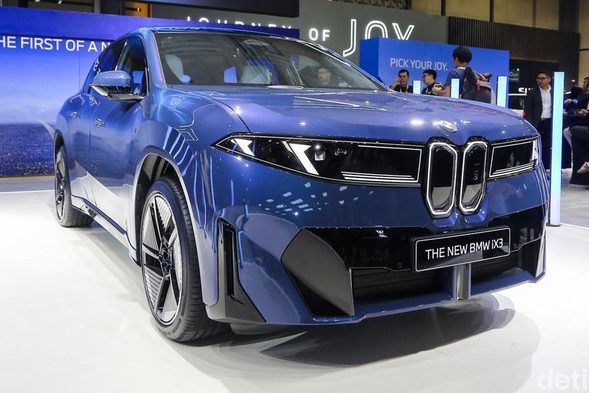
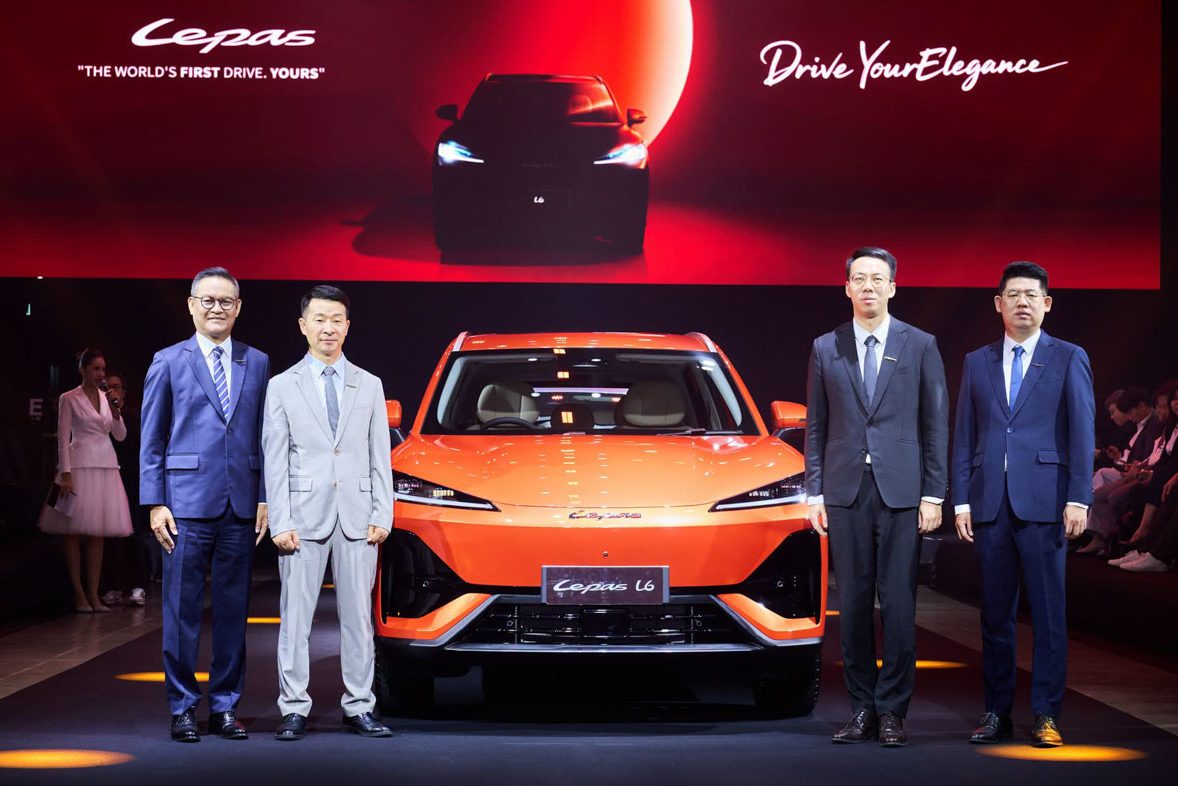
Malaysia missed out on RM3.3 billion in tax revenue during the four-year tax holiday for fully imported electric vehicles spanning from 2022 to 2025. Investment, Trade and Industry Minister Datuk Seri Johari Abdul Ghani shared this figure during the recent line-off ceremony for the locally assembled Proton eMas 7 PHEV.
The Infrastructure Bottleneck
Despite giving up billions in import and excise duties to spur vehicle adoption, the country is currently facing a severe shortage of public charging stations to adequately support the growing number of electric vehicles on the road.
Johari highlighted significant logistical hurdles for residents living in high-rise buildings. He noted that the Fire and Rescue Department often rejects approvals for AC charger installations in flats and condominiums because older buildings simply lack the electrical capacity to handle mass charging. As an example, a 500-unit condominium where every household owns two electric cars would completely overwhelm the existing power supply if everyone installed a home charger.
Shifting the Government Strategy
To resolve this bottleneck, the government is shifting its focus from vehicle subsidies to infrastructure development:
- The government plans to hold discussions with Tenaga Nasional Berhad regarding the construction of additional electrical substations.
- These new substations are necessary to support the widespread installation of future public charging stations.
- Johari stated that electrified vehicles remain the future of mobility but cautioned against rushing adoption if it creates daily infrastructure problems for the public.
- Comparing strategies with China, Johari noted that the Chinese government achieved massive success by investing billions directly into building out public chargers.
- In contrast, Malaysia spent its billions on granting consumer tax exemptions.
Reinvesting Tax Revenue
With the tax holiday now officially over, taxes collected from fully imported electric vehicles beginning in 2026 will be directly reinvested into building out the local charging network. The government maintains a target to reach 30,000 operational chargers by 2030, a goal that is currently only 21 percent complete.