 Akmal Azhar
Toyota is preparing a major shift for the next-generation Supra. According to new reports, the upcoming model will move away from its BMW-derived platform and powertrain, signaling a new era of self-reliance in Toyota’s sports car development. Unlike the current A90/A91 model, which shares components with the BMW Z4, the next Supra will feature a design and drivetrain developed entirely in-house by Toyota.
Two-Seater Layout for Supra, 2+2 Configuration for Lexus
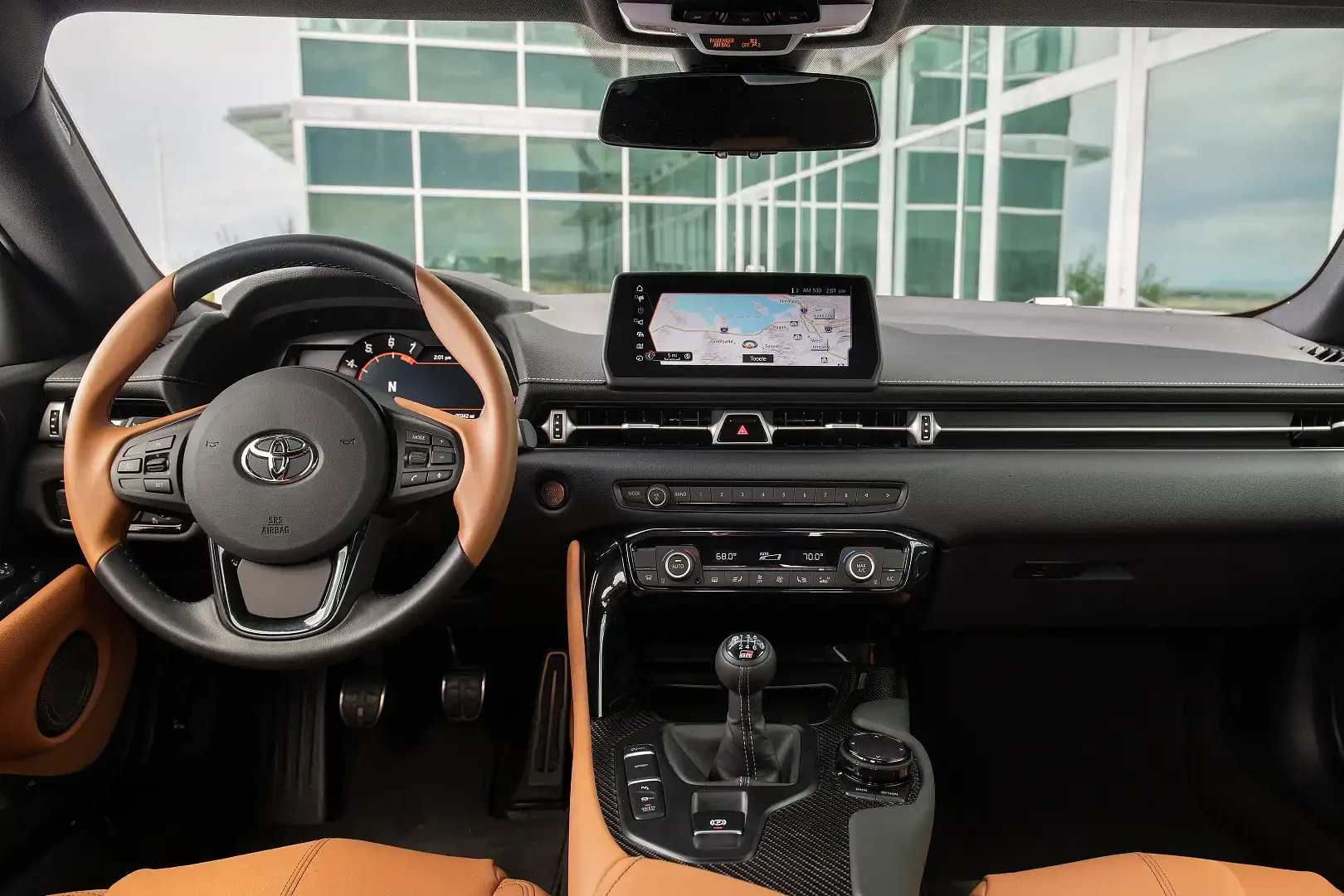
The future Supra will be strictly a two-seater, reinforcing its focus on performance driving without the need for rear passenger accommodations. In contrast, a Lexus variant being developed alongside the Supra will feature a 2+2 seating layout, offering greater practicality while retaining a sporty profile. This indicates Toyota’s plan to diversify its sports car lineup while using shared architecture to keep development costs efficient.
New Hybrid Powertrain Replaces BMW Gas Engines

One of the most significant changes will be the introduction of a hybrid powertrain. Instead of using BMW’s turbocharged inline-four and inline-six engines, Toyota’s next Supra will be powered by a new hybrid system. While exact specifications haven’t been disclosed, it’s expected that this setup will combine a turbocharged engine with electric motors to deliver strong performance and better fuel economy. This move aligns with Toyota’s broader strategy of electrification across its performance lineup.
Toyota’s Commitment to Shorter Development Gaps

Toyota also appears committed to avoiding the long development gap that plagued previous generations. The nearly 20-year wait between the Mk4 and Mk5 Supras frustrated fans, but the company aims to shorten the cycle significantly this time. This hints that the new Supra could arrive much sooner than expected, possibly within the next few years.

Lexus Sports Car Will Share Platform, Offer More Practicality
Lexus is also expected to benefit from this new platform. While mechanically related to the Supra, the Lexus sports car will cater to a different audience with its additional rear seats and likely a more luxurious interior. Both cars will use the same hybrid technology, but their purposes will be distinct—one track-focused, the other more grand tourer-like.

 Zakirin