 Akmal Azhar
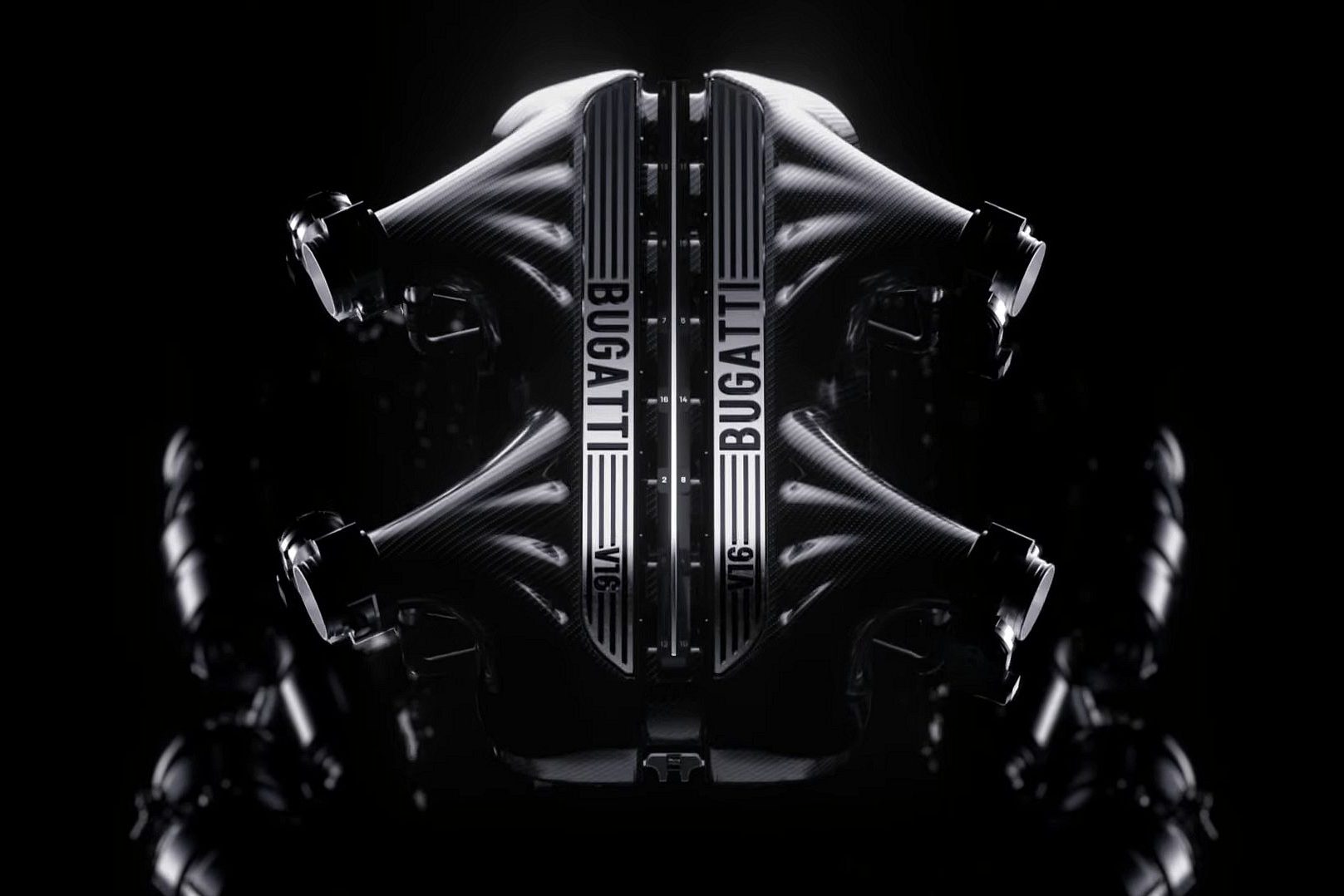
A revolutionary new engine concept developed by the German Aerospace Center (DLR) has the potential to reshape not just aviation, but also the hypercar landscape—a realm where Bugatti continues to set benchmarks for power, prestige, and innovation. The breakthrough lies in a dual-fuel combustion system that successfully blends hydrogen and kerosene in a single chamber. While initially designed for aircraft applications, the implications of this technology stretch far beyond the skies, with the potential to influence how ultra-performance cars like Bugatti might evolve in a carbon-conscious future.
The Engine That Burns Two Fuels Simultaneously

DLR’s HyPower engine is the world’s first to stably combust a mixture of hydrogen and kerosene in the same combustion chamber. By combining hydrogen’s rapid and clean-burning characteristics with the energy density and infrastructure compatibility of kerosene, engineers have achieved a delicate balance between performance, emissions control, and practical implementation. This innovation represents a vital step in transitioning high-powered combustion engines to cleaner fuel strategies without sacrificing power output—a concept that aligns surprisingly well with the direction luxury hypercar manufacturers like Bugatti are beginning to explore.
From Jet Propulsion to Hypercars: A Natural Evolution?
Although the HyPower engine was originally developed for aviation, the engineering principles—high thermal efficiency, reduced emissions, and dual-fuel adaptability—hold striking potential for ground-based applications, especially in vehicles that operate at the technological cutting edge. Bugatti, known for pushing the envelope with vehicles like the Chiron and the upcoming Tourbillon, has always blended high-performance combustion with advanced innovation. The company recently shifted toward hybrid electrification, and the next logical frontier could be integrating hydrogen—especially in a mixed-fuel format that preserves the visceral experience of combustion while drastically cutting emissions.
Where pure hydrogen power poses technical and infrastructural challenges for automotive use, a hybrid solution like DLR’s dual-fuel system could act as a transitional technology. It would allow manufacturers like Bugatti to maintain their brand-defining internal combustion experience, while slowly phasing in cleaner fuels. Imagine a future Bugatti that roars with 1,800 horsepower, yet produces significantly less CO₂ and NOx emissions—all without fully abandoning traditional fuels.
How the Engine Achieves Stable Dual-Fuel Combustion

The HyPower engine’s combustion chamber is equipped with a sophisticated injector system that precisely blends hydrogen and kerosene before ignition. The hydrogen provides a fast-reacting ignition front that stabilizes the flame, while kerosene burns more slowly, delivering consistent energy output. This “swirl flame” technique enables both fuels to mix and combust more efficiently than in conventional systems, which traditionally struggle with dual-fuel instability or separation.
This breakthrough is critical not just for reducing CO₂ but also for controlling nitrogen oxides, a major challenge in high-compression engines. Bugatti’s quad-turbocharged W16 engine is a masterclass in combustion performance, but with future regulations tightening around emissions, such an engine—reimagined with dual-fuel combustion—could continue to exist in an environmentally compliant form.
A Cleaner Path Forward for Bugatti and Beyond

Bugatti’s legacy is built on achieving extraordinary feats of speed and engineering within the constraints of what’s technologically possible. But the future of performance must also align with sustainability. As hydrogen infrastructure expands and green fuels become more accessible, mixed-fuel combustion offers a bridge between Bugatti’s gasoline-soaked past and a cleaner future. The DLR system shows that it’s possible to retain the performance DNA of combustion engines while cleaning up their environmental impact.
A hydrogen-kerosene powertrain could allow Bugatti to produce vehicles with the same thunderous engine response, torque-rich acceleration, and mechanical character that define the brand—while lowering carbon emissions and preparing for an era where sustainability and performance are no longer at odds.
Economic and Technical Implications

Economically, a dual-fuel system would be far easier to introduce in current manufacturing environments than a complete hydrogen transformation. The key advantage is compatibility: kerosene (or its automotive equivalent, high-octane petrol) remains available, while hydrogen can be integrated gradually as distribution systems mature. This practical pathway could attract performance brands unwilling to jump fully into electric drivetrains or hydrogen-only platforms.
From a technical standpoint, Bugatti could use existing engine architectures, modifying combustion chambers and injectors to accommodate hydrogen’s unique properties. The result? The thrill of combustion, the iconic exhaust note, and the raw performance—delivered with a fraction of the emissions.
What This Means for the Future of Supercars

As the automotive industry rethinks powertrains, supercars sit at a crossroads. Pure electric power offers instant torque and silence, but often lacks the emotion and complexity that enthusiasts cherish. Meanwhile, hydrogen combustion could be a savior for brands like Bugatti, Koenigsegg, and Pagani, which pride themselves on mechanical mastery.
In this context, the DLR’s hydrogen-kerosene hybrid combustion engine could become the most important transition technology of the decade. It enables performance cars to retain their core character while achieving measurable environmental progress. And for Bugatti, which has already confirmed hybrid power for the new Tourbillon model and teased future hydrogen concepts, the timing could not be better.

 Zakirin