 Akmal Azhar
Owning a car is a significant investment, and keeping it running smoothly for years requires proper care. Whether you drive a brand-new model or a used vehicle, following best practices can help extend its lifespan, improve performance, and save you money on costly repairs. Here’s a comprehensive guide to keeping your car in top shape for the long haul.
Follow the Manufacturer’s Maintenance Schedule
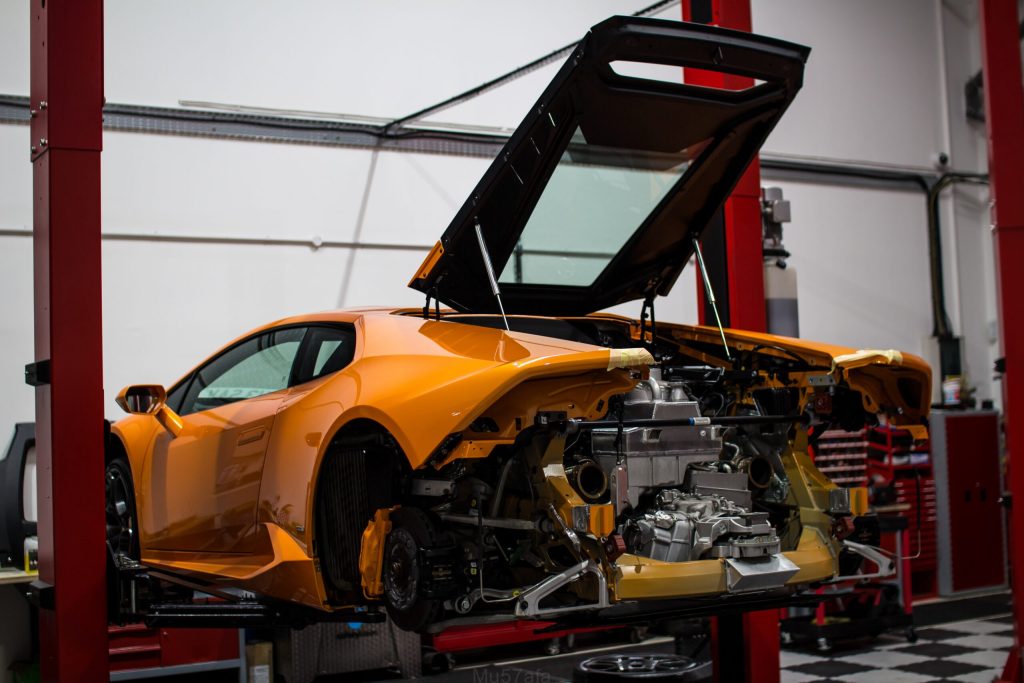
Your car’s manual contains a recommended maintenance schedule tailored to its make and model. Key services include regular oil changes every 5,000 to 7,500 miles for conventional oil and longer intervals for synthetic oil.
Tire rotations and alignments should be performed every 6,000 to 8,000 miles to ensure even wear. Brake inspections should check pads and fluid levels every 12,000 miles, while a transmission fluid flush is typically needed every 30,000 to 60,000 miles. Additionally, the timing belt should be replaced around 60,000 to 100,000 miles to prevent engine damage. Skipping these maintenance tasks can lead to engine wear, poor fuel efficiency, and unexpected breakdowns.
Drive Smoothly to Reduce Wear and Tear

Aggressive driving habits put unnecessary stress on your car. To prolong its life, avoid rapid acceleration and hard braking, as these actions increase wear on brakes, tires, and the engine. Instead, maintain steady speeds to improve fuel efficiency and reduce engine strain.
In cold weather, allow your car to idle for about 30 seconds before driving gently to let the engine warm up. Additionally, avoid overloading your vehicle, as excess weight strains the suspension and transmission, leading to premature wear.
Keep Fluids at Optimal Levels
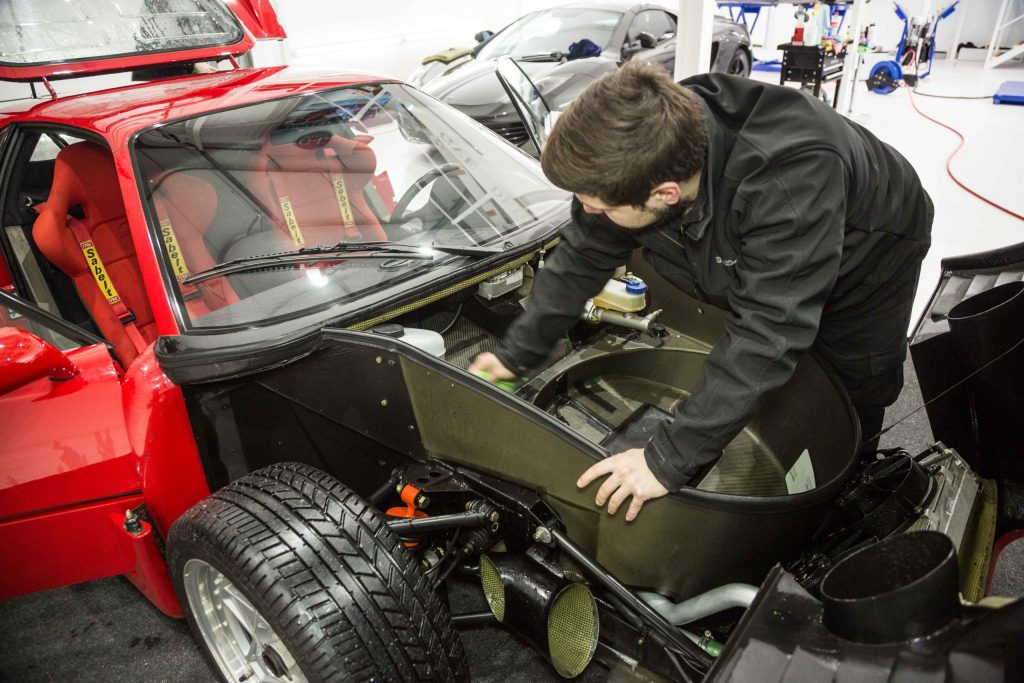
Cars rely on various fluids for smooth operation. Regularly check and top off engine oil to prevent friction and overheating. Coolant is essential for regulating engine temperature, while brake fluid ensures proper braking performance. Transmission fluid keeps gears shifting smoothly, and power steering fluid helps with steering ease. Low or dirty fluids can cause major mechanical failures, so it’s crucial to monitor and replace them as needed.
Protect Your Car from Harsh Weather
Extreme temperatures can damage your vehicle, so take precautions to safeguard it. In winter, use winter-grade oil and antifreeze to ensure the engine runs smoothly. Keep the gas tank at least half full to prevent fuel line freezing, and wash your car regularly to remove road salt, which can cause rust.
During summer, park in the shade or use a sunshade to protect the interior from UV damage. Check tire pressure frequently, as heat can cause overinflation, and ensure the air conditioning system is functioning properly to avoid overheating.
Store Your Car Properly If Not in Use
If you’re not driving your car for an extended period, take steps to preserve its condition. Use a car cover to protect it from dust and weather elements. Disconnect the battery or use a trickle charger to prevent drainage. Inflate tires to the correct pressure to avoid flat spots, and consider adding a fuel stabilizer if storing the car for several months to prevent fuel degradation. These measures help maintain your car’s health while it’s not in use.
Address Small Issues Before They Become Big Problems
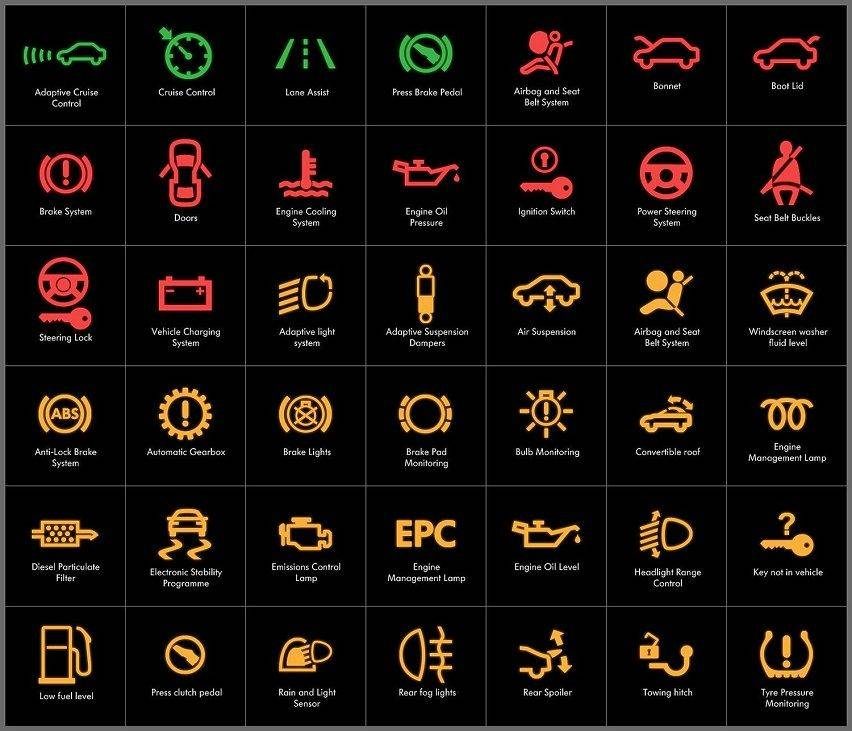
Ignoring minor problems can lead to expensive repairs down the road. Pay attention to strange noises such as squealing, grinding, or knocking, as these could indicate underlying issues. Warning lights on the dashboard, like the check engine or oil pressure light, should never be ignored.
Unusual vibrations while driving may signal alignment or suspension problems, while decreased performance, such as poor acceleration or rough idling, could point to engine trouble. Early diagnosis and repair save money and prevent more severe damage.
Choose Quality Parts and Trusted Mechanics
When repairs are needed, opt for OEM (Original Equipment Manufacturer) or high-quality aftermarket parts to ensure longevity and performance. Finding a reliable mechanic with good reviews and fair pricing is equally important. Avoid using cheap, low-grade fluids, as they can harm your engine over time. Investing in quality parts and professional service pays off in the long run by keeping your car running smoothly.
Conclusion
A well-maintained car can last well beyond 200,000 miles with proper care. By following these tips—staying on top of maintenance, driving responsibly, and addressing issues early—you’ll maximize your vehicle’s lifespan and enjoy a smoother, safer ride for years to come.


 Zakirin