 Akmal Azhar
Introduction of Mobile Hydrogen Refuelling Station in Putrajaya
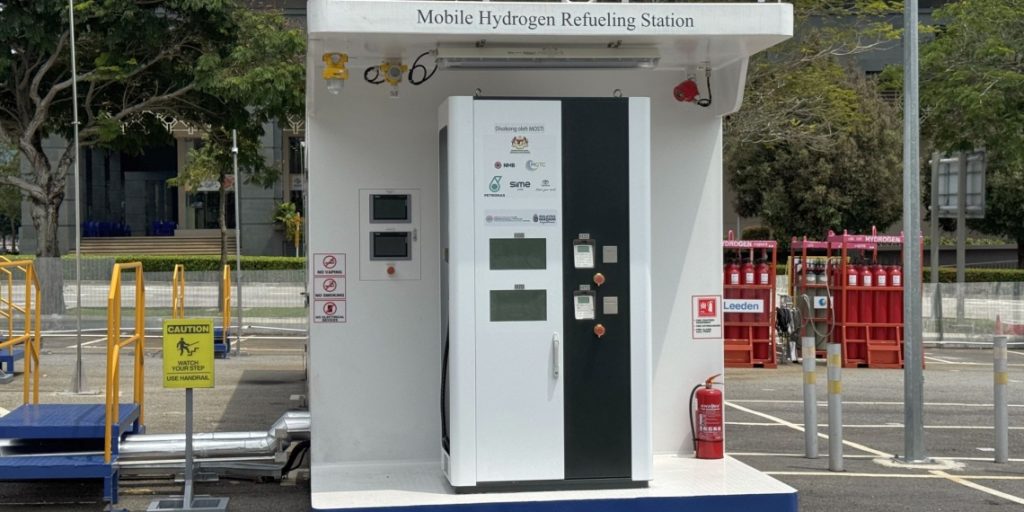
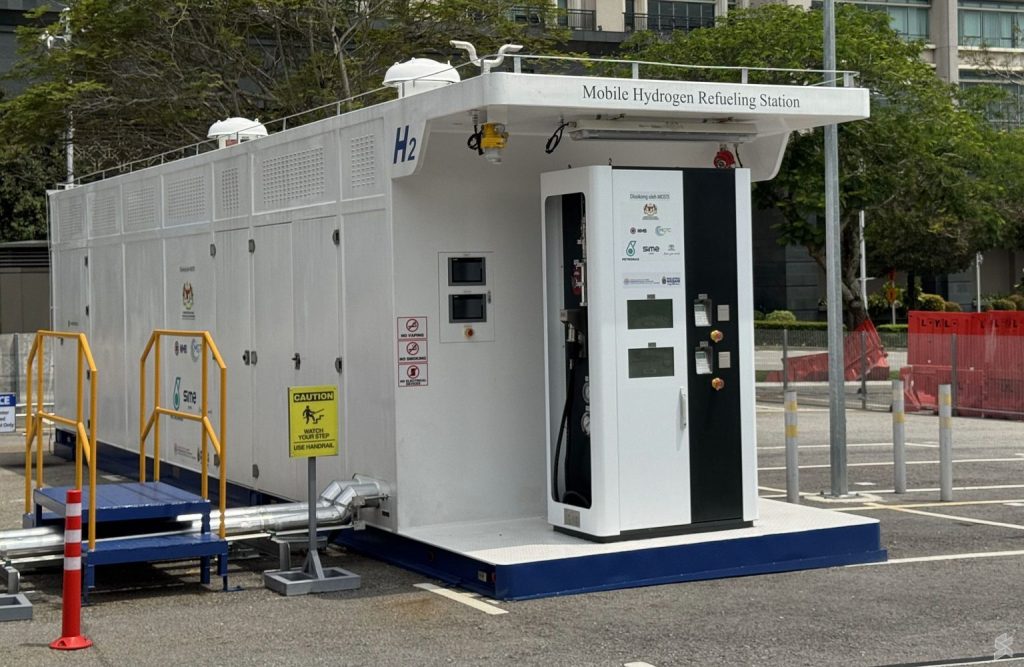
In a significant move towards sustainable transportation, Malaysia has unveiled its first Mobile Hydrogen Refuelling Station (MHRS) in Putrajaya. This initiative, spearheaded by the Ministry of Science, Technology and Innovation (MOSTI), aims to promote the adoption of hydrogen fuel cell electric vehicles (FCEVs) in West Malaysia. The MHRS, a mobile unit capable of refuelling hydrogen-powered vehicles, represents a strategic step in establishing the necessary infrastructure for hydrogen mobility in the region.
Demonstration of Hydrogen Vehicle Technology
To showcase the practicality and benefits of hydrogen-powered vehicles, a demonstration was conducted featuring the Toyota Mirai, a hydrogen FCEV. Prime Minister Datuk Seri Anwar Ibrahim participated in the event, experiencing firsthand the quiet and smooth operation of the vehicle. The demonstration highlighted the potential of hydrogen technology in reducing carbon emissions and enhancing energy efficiency in the transportation sector.
Advantages of Hydrogen Fuel Cell Vehicles
Hydrogen FCEVs offer several advantages over traditional internal combustion engine vehicles and even battery electric vehicles (BEVs). Notably, hydrogen vehicles can be refuelled in just three to five minutes, similar to conventional petrol vehicles, and offer a driving range of 700 to 1,000 kilometers per refuelling. Additionally, FCEVs are generally lighter than BEVs, contributing to improved energy efficiency.
Challenges in Commercialization and Infrastructure Development
Despite the promising aspects of hydrogen mobility, several challenges hinder its widespread adoption in Malaysia. The high cost of hydrogen vehicles, coupled with the lack of refuelling infrastructure, poses significant barriers.
Moreover, the current subsidies for petrol in Malaysia make it difficult for hydrogen vehicles to compete economically. Efforts are underway to address these issues, including plans to develop a comprehensive Hydrogen Economy and Technology Roadmap (HETR) to guide the country’s transition towards a hydrogen-based economy.
Sarawak’s Leadership in Hydrogen Initiatives
While West Malaysia is taking initial steps in hydrogen mobility, Sarawak has already made notable progress. The state operates hydrogen-powered buses and has established hydrogen refuelling stations, positioning itself as a regional leader in hydrogen technology. Sarawak’s initiatives serve as a model for other regions in Malaysia to emulate as the country moves towards a more sustainable transportation future.
Conclusion
Malaysia’s introduction of the Mobile Hydrogen Refuelling Station in Putrajaya marks a pivotal moment in the nation’s pursuit of clean energy solutions. While challenges remain in terms of infrastructure and economic viability, the government’s commitment to exploring hydrogen technology signifies a proactive approach to achieving net-zero carbon emissions by 2050. Continued investment and development in this sector are essential to realizing the full potential of hydrogen as a sustainable transportation alternative.

 Zakirin