 Akmal Azhar
The 1986 Porsche 959 Paris-Dakar is a unique and iconic vehicle that melded cutting-edge engineering with off-road prowess, showcasing Porsche’s unmatched ability to push boundaries. The 959 was initially designed to compete in the prestigious Paris-Dakar Rally, one of the toughest endurance races in the world. A special variant of the Porsche 959 was developed specifically for this challenge, and it remains a fascinating piece of automotive history.
Key Features of the 1986 Porsche 959 Paris-Dakar
Engine and Performance
The 1986 Porsche 959 Paris-Dakar was powered by a 2.8-liter, twin-turbocharged flat-six engine, which was revolutionary for its time. The engine produced an impressive 450 horsepower, allowing the 959 to accelerate from 0 to 60 mph in just 3.9 seconds—an incredible feat for an off-road vehicle of that era. The car’s top speed was around 150 mph, which was astonishing considering its off-road focus.
All-Wheel Drive System
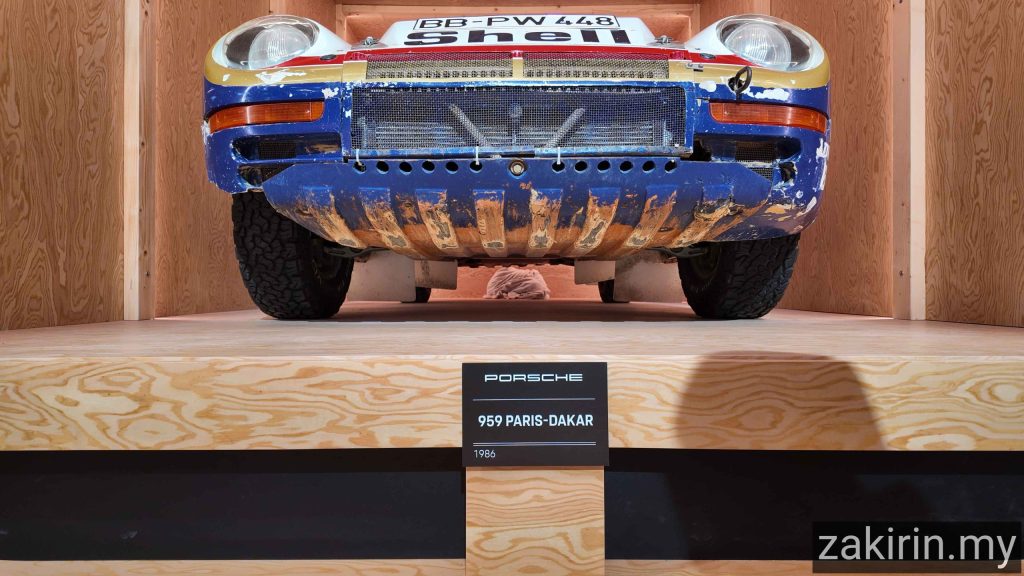
One of the standout features of the 959 was its advanced all-wheel-drive (AWD) system, which was a significant innovation. The car was equipped with a sophisticated torque-splitting system, allowing it to adapt to various terrains. This technology was not just beneficial for racing but set a new standard for performance in off-road vehicles. The car was designed to handle the rugged terrain of the Dakar Rally, with incredible stability and grip.
Suspension and Handling
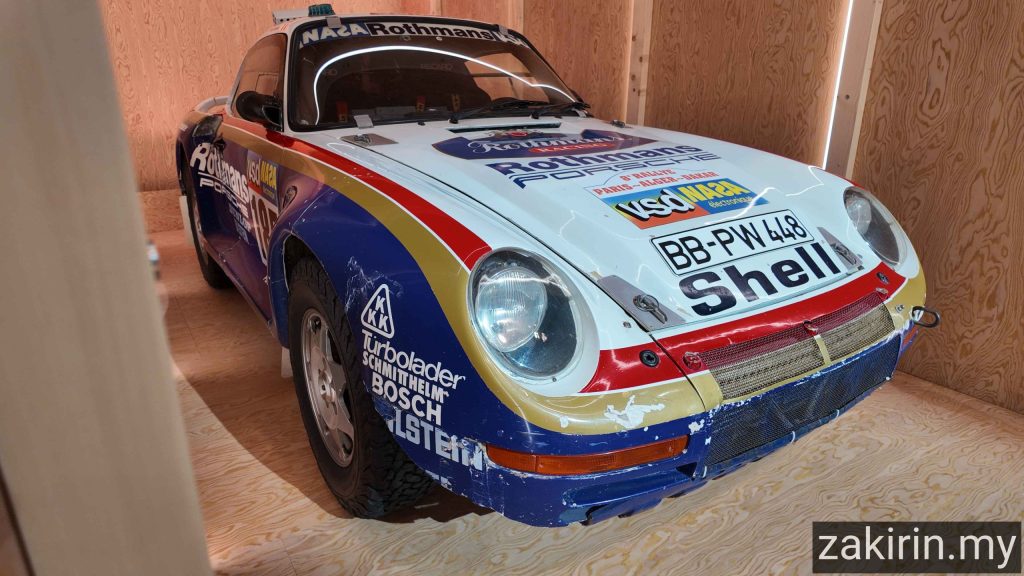
The 959’s suspension system was another triumph of engineering. It featured an independent suspension setup with a sophisticated adjustable system that allowed the driver to modify the ride height depending on the conditions. This feature allowed the vehicle to maintain stability on uneven surfaces, which was crucial for the Dakar Rally, where the terrain could vary from dunes to rocky paths.
Aerodynamics and Design
Despite its off-road capabilities, the Porsche 959 Paris-Dakar retained the sleek and aerodynamic design characteristic of the Porsche brand. The vehicle was equipped with a range of modifications to improve its durability and performance in harsh environments, including reinforced body panels, a larger fuel tank for extended range, and specialized tires. The car’s design was not just functional but also looked futuristic for its time.
Technological Advancements
The Porsche 959 was also a pioneer in terms of technology. It was one of the first cars to feature an onboard computer system to monitor various performance metrics. The car also introduced innovations such as turbocharging combined with an advanced intercooler system, contributing to both performance and efficiency in extreme conditions.
Performance in the Paris-Dakar Rally
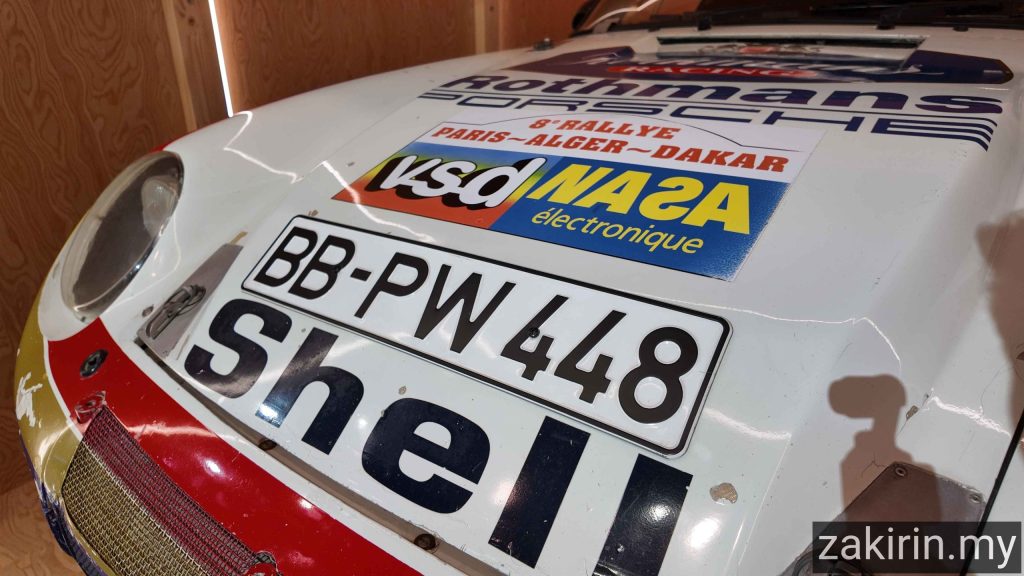
In 1986, Porsche entered the Paris-Dakar Rally with the 959, and it was clear that the car was built to excel in such a demanding race. The 959 Paris-Dakar performed exceptionally well, achieving several podium finishes and demonstrating Porsche’s ability to craft a high-performance vehicle that could handle the grueling terrain of the rally. Although the car did not win the overall event in 1986, it proved that Porsche’s engineering excellence could be applied to off-road racing, even though their focus was predominantly on road-going sports cars.
Political and Cultural Impact
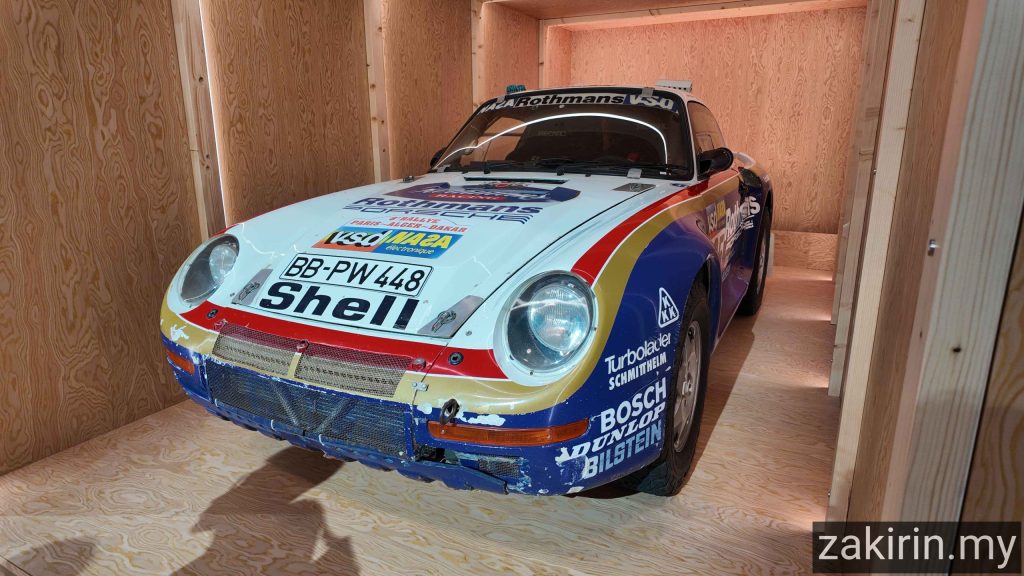
The 1986 Porsche 959 Paris-Dakar was more than just a triumph of engineering; it also played a significant role in the political and cultural context of the 1980s. The Paris-Dakar Rally itself was a symbol of international competition, with teams from across the globe coming together to tackle one of the most challenging events in motorsport.
At the time, the rally was seen as a political statement of the era. France, as the host country, was eager to maintain its status as a leader in global motorsport, and the rally showcased the country’s adventurous spirit. Porsche’s involvement in the event was a political statement of Germany’s prowess in engineering, positioning the company as a global leader not just in road cars, but also in motorsport technology.
Additionally, the 959’s success in the Dakar Rally indirectly contributed to the growing importance of technological innovation in motorsport. It highlighted the increasing intersection of politics, culture, and engineering, where nations used motorsport as a platform to assert their technological and industrial strength.
Moreover, the 959’s entry into the Dakar Rally came during a time of significant geopolitical change. The 1980s saw tensions between the East and West, and international events such as the Paris-Dakar were seen not just as sports but as ways to demonstrate national superiority and global unity.
Conclusion
The 1986 Porsche 959 Paris-Dakar remains one of the most legendary and influential vehicles in motorsport history. Its combination of cutting-edge technology, performance, and off-road capabilities made it a standout competitor in one of the world’s toughest rallies. Even though Porsche did not claim the top prize in the 1986 event, the 959 established the brand’s reputation as a serious contender in off-road racing and set the stage for future advancements in both road-going and racing cars.
The car’s place in history goes beyond its mechanical achievements; it represents a fascinating intersection of political, cultural, and technological shifts in the 1980s. The Porsche 959 Paris-Dakar is not just a machine but a symbol of innovation and international competition that transcended the boundaries of motorsport.

 Zakirin