 Zakirin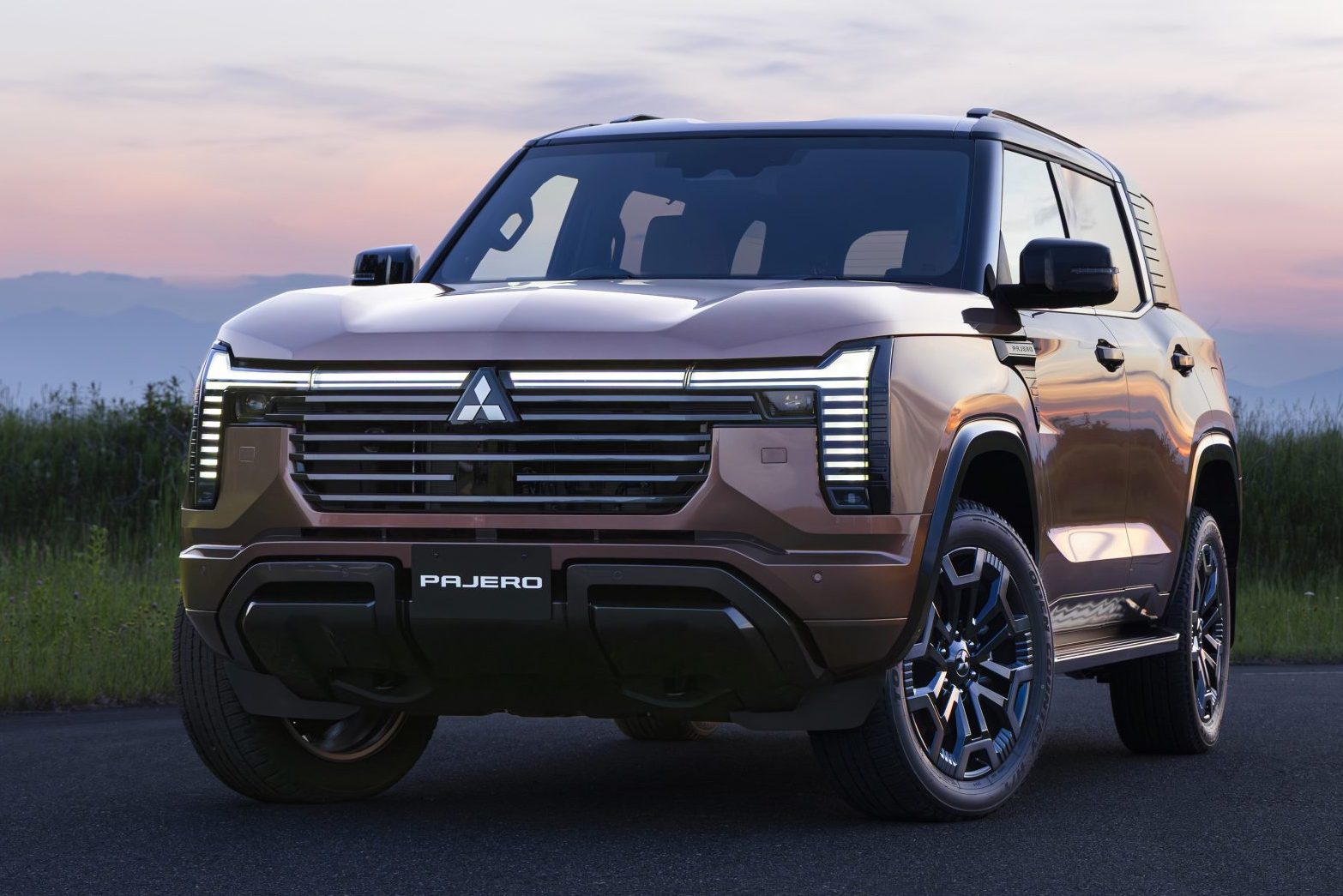
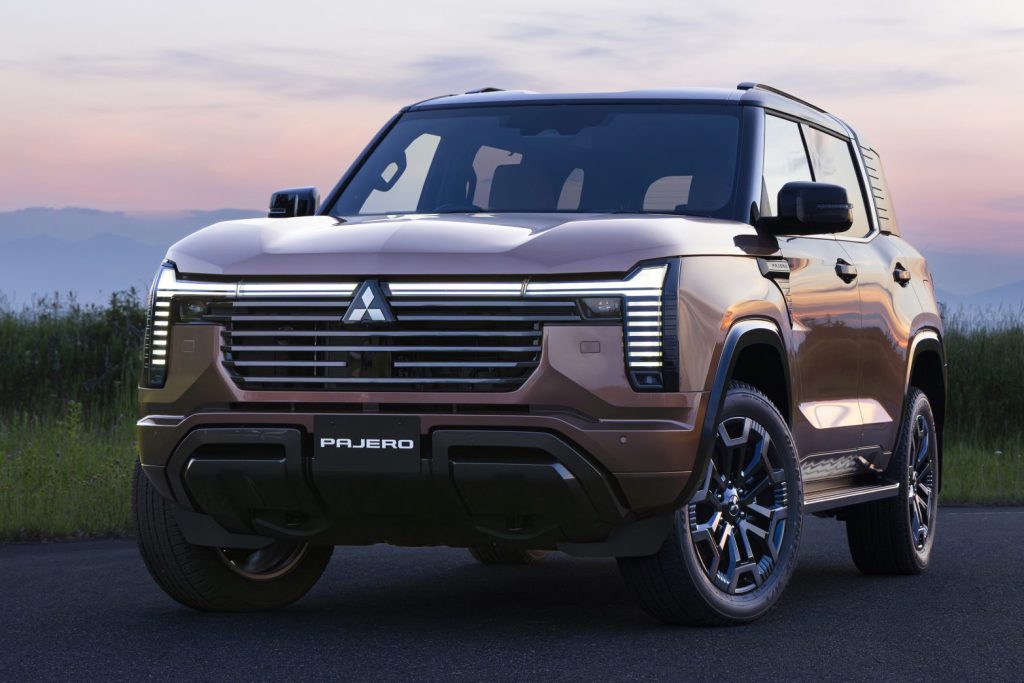
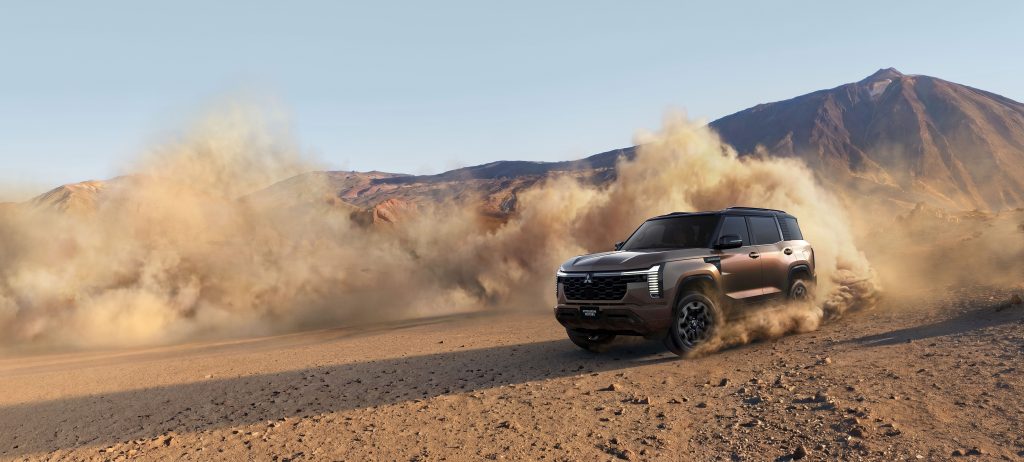
Mitsubishi Motors Corporation has officially debuted the fully redesigned Pajero cross-country sport utility vehicle, reviving an established nameplate as a new-generation flagship model for the brand. Manufactured in Thailand, the vehicle marks a strategic continuation for the automaker in the full-size, ladder-frame SUV segment. Engineered to balance rugged off-road capability with modern passenger comfort, the new model introduces advanced digital integration, a heavily revised diesel powertrain, and a sophisticated four-wheel-drive system. The global rollout will commence in the Thai domestic market before expanding to Japan and Australia, eventually reaching broader international markets including the ASEAN region. This progressive release schedule sets the stage for its subsequent arrival in Malaysia, where it will compete in a firmly established segment.
Key Points
- The redesigned SUV is built on a durable ladder-frame chassis and is powered by a 2.4-litre clean diesel engine producing 480 Newton-metres of torque.
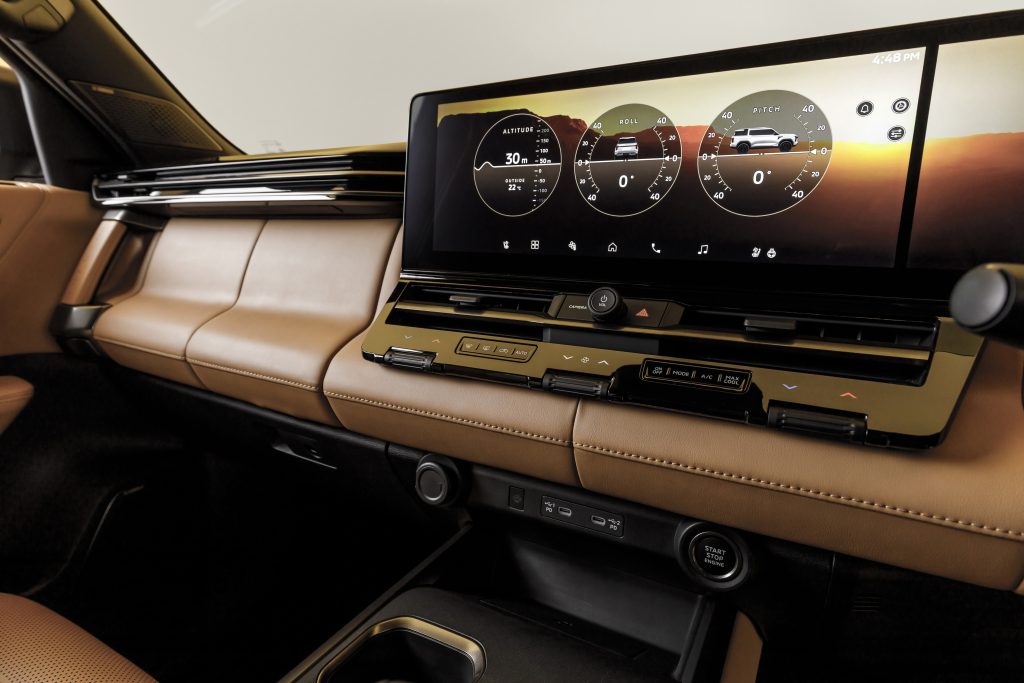
- The cabin features a monolithic dual-screen layout with two 14.3-inch displays and utilises sound-insulating acoustic glass for enhanced interior refinement.
- Production will take place in Thailand, with a progressive global rollout targeting approximately 100 countries starting in fiscal 2026.
Exterior Styling and Chassis Construction
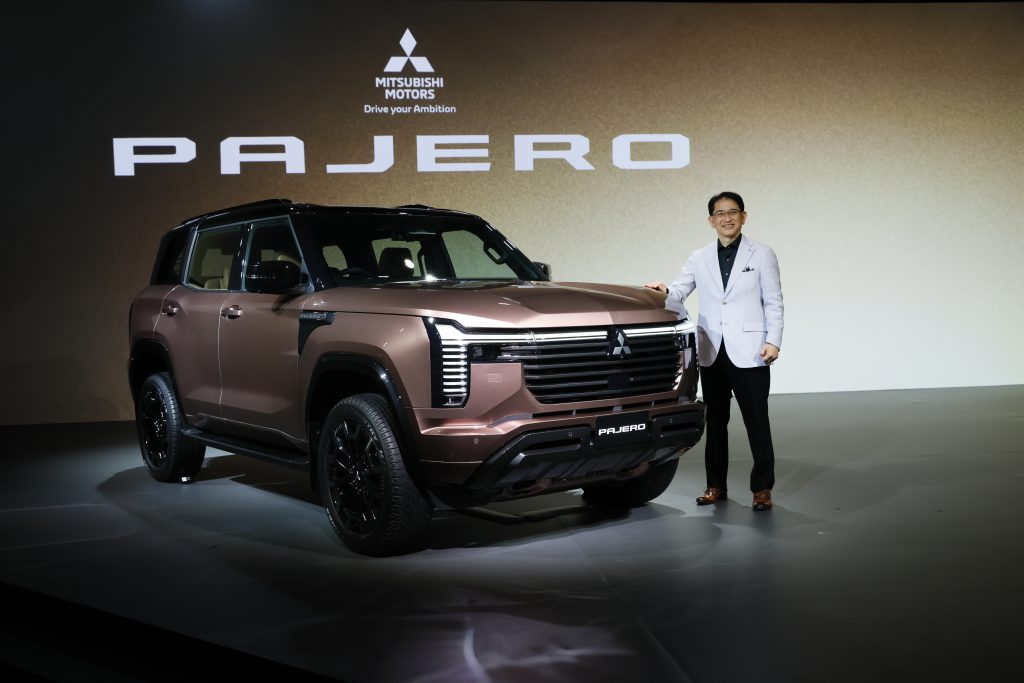
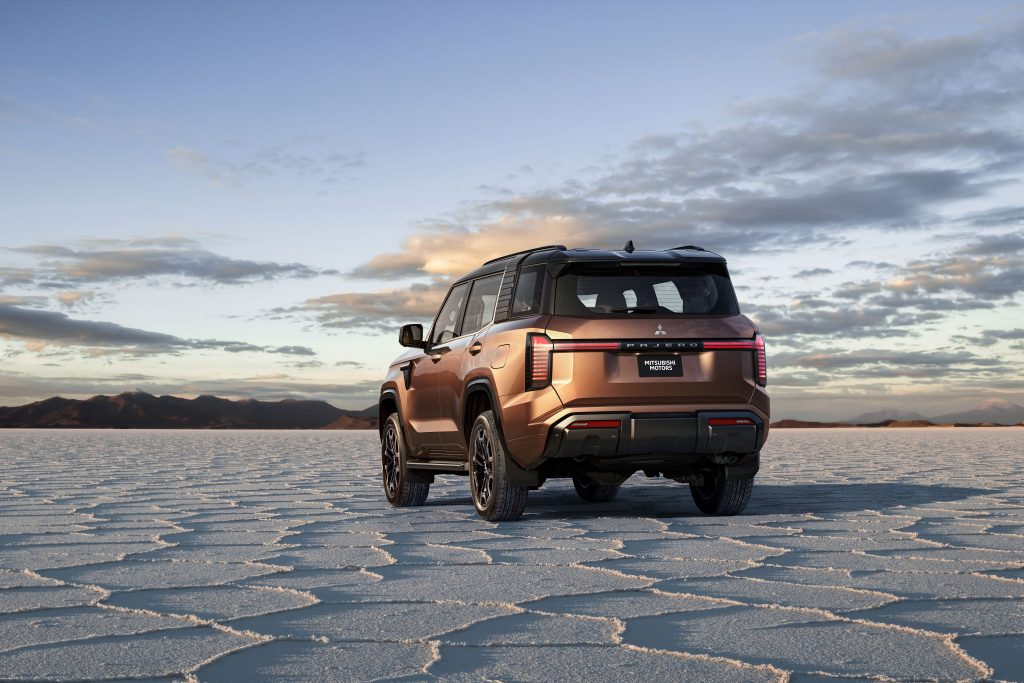
The exterior architecture of the new Pajero relies heavily on horizontal design themes that reference its predecessors while adopting a contemporary visual identity. Up front, the vehicle features T-shaped headlight clusters and offers buyers a choice between two distinct grille designs: a horizontal-bar layout and a honeycomb mesh pattern. Designers have integrated several heritage cues into the bodywork, including a C-pillar shape inspired by the roll bar of the first-generation model and a hexagonal rear tailgate motif that mimics the silhouette of a traditional rear-mounted spare tyre.
Mitsubishi has introduced two signature exterior paint themes for the model. Armor Copper Metallic is designed to highlight the vehicle’s sculptural forms and substantial proportions, while Phantom Blue Metallic offers a greyish-blue hue accented by gold highlights that react to changing ambient light. These colour options aim to blend the vehicle’s utilitarian roots with a sophisticated aesthetic suited for both natural environments and urban settings.
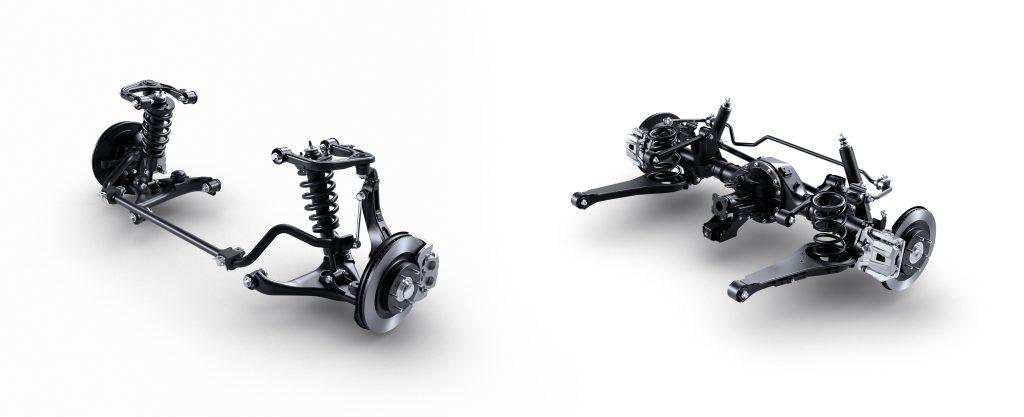
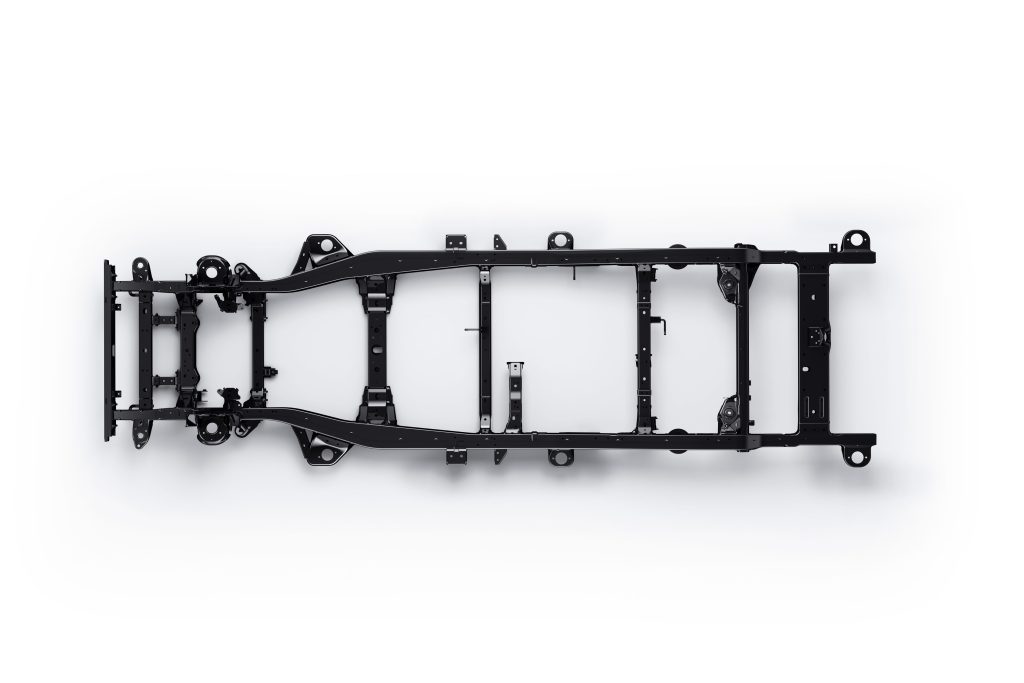
Beneath the sheet metal, the vehicle retains a traditional ladder-frame chassis, a structural choice that prioritises load-bearing strength and off-road durability over the lighter unibody construction used in urban-focused crossovers. This foundation is paired with a specifically tuned suspension setup engineered to maximise tyre contact on uneven terrain while minimising secondary vibrations transferring into the passenger cell on paved surfaces.
Powertrain Specifications and Off-Road Systems
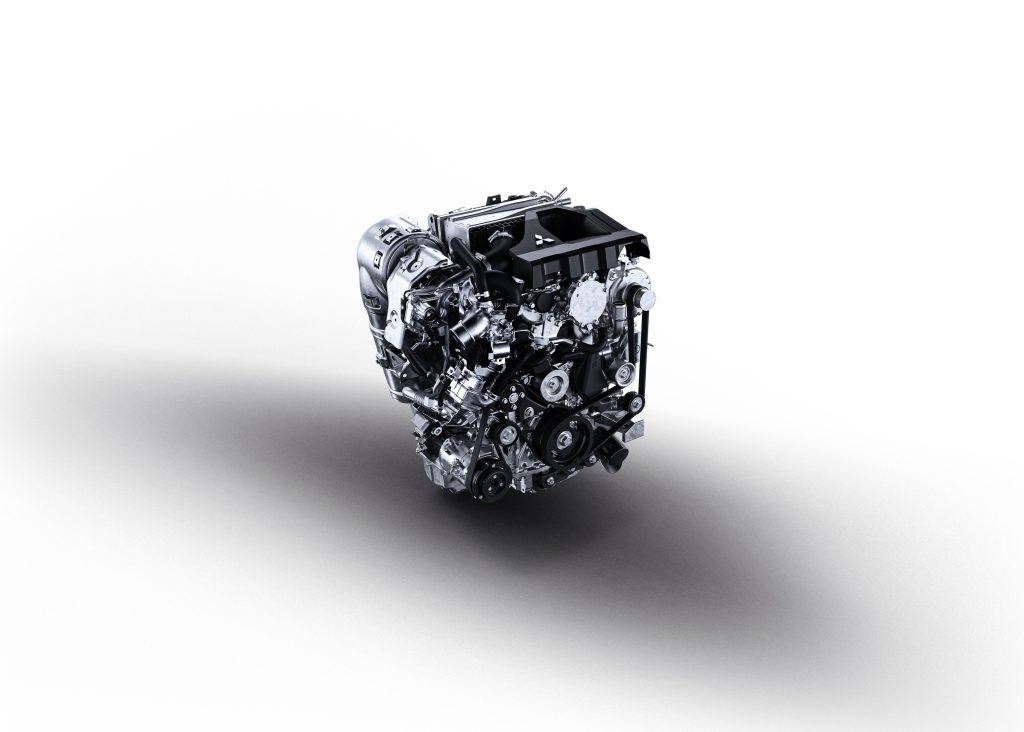
Power for the flagship SUV comes from an updated diesel powertrain designed for high torque output and sustained low-speed crawling. Motivation is provided by a 2.4-litre clean diesel engine equipped with a wide-range single variable geometry turbocharger (VGT). This configuration is calibrated to deliver linear acceleration from a standstill, maintaining composure during high-speed highway cruising and heavy-duty towing applications.
The manufacturer has paired this engine with a newly developed eight-speed automatic transmission, replacing older gearbox designs to offer smoother ratio transitions and improved fuel efficiency. The powertrain specifications and driveline components are detailed as follows:
- Engine Type: 2.4-litre variable geometry turbocharged clean diesel
- Maximum Torque: 480 Newton-metres
- Transmission: Eight-speed automatic with Sport mode
- Drive System: Super Select 4WD-II (SS4-II)
- Dynamic Control: Super-All Wheel Control (S-AWC)
Off-road capability remains a primary focus, facilitated by the integration of the Super Select 4WD-II system and the Super-All Wheel Control setup. This combination allows drivers to shift between rear-wheel drive and four-wheel drive mechanically, while sophisticated electronic mapping manages brake force and power distribution to individual wheels during cornering and traction-loss scenarios.
Interior Layout and Cabin Technology
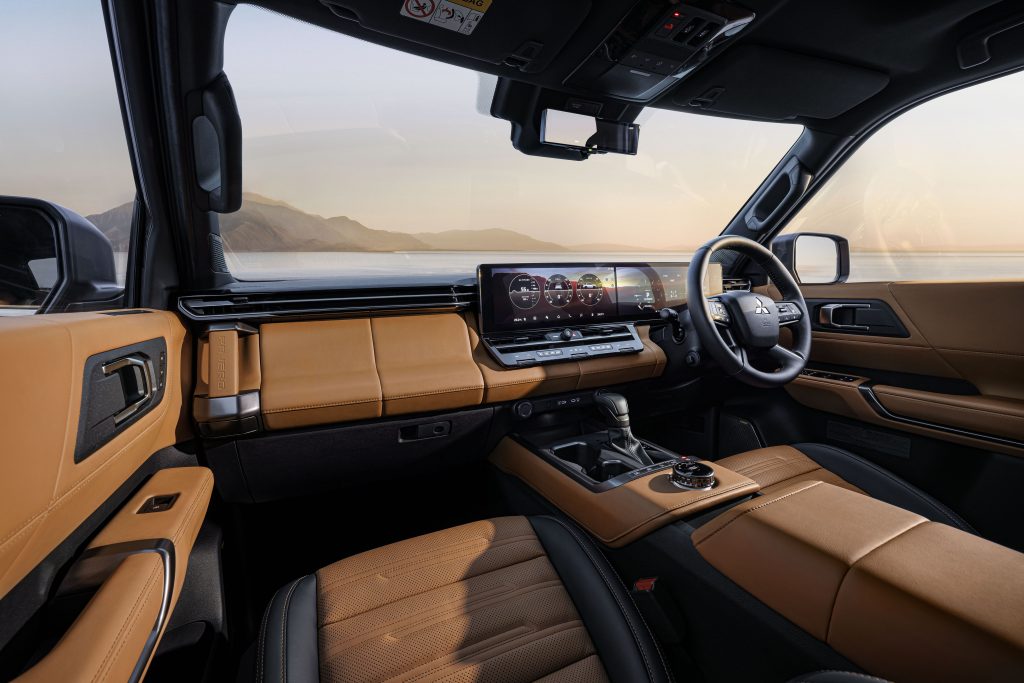
Inside the cabin, the dashboard layout merges nostalgic design elements with a fully modernised digital architecture. A primary focal point of the interior is a monolithic display unit that houses dual 14.3-inch screens, serving as both the driver’s instrument cluster and the primary infotainment interface. The digital instrument panel features a heritage-inspired Multi-Meter display, which reimagines the classic triple-gauge pod by providing real-time data on altitude, compass heading, temperature, pitch and roll angles, and the active yaw control status.
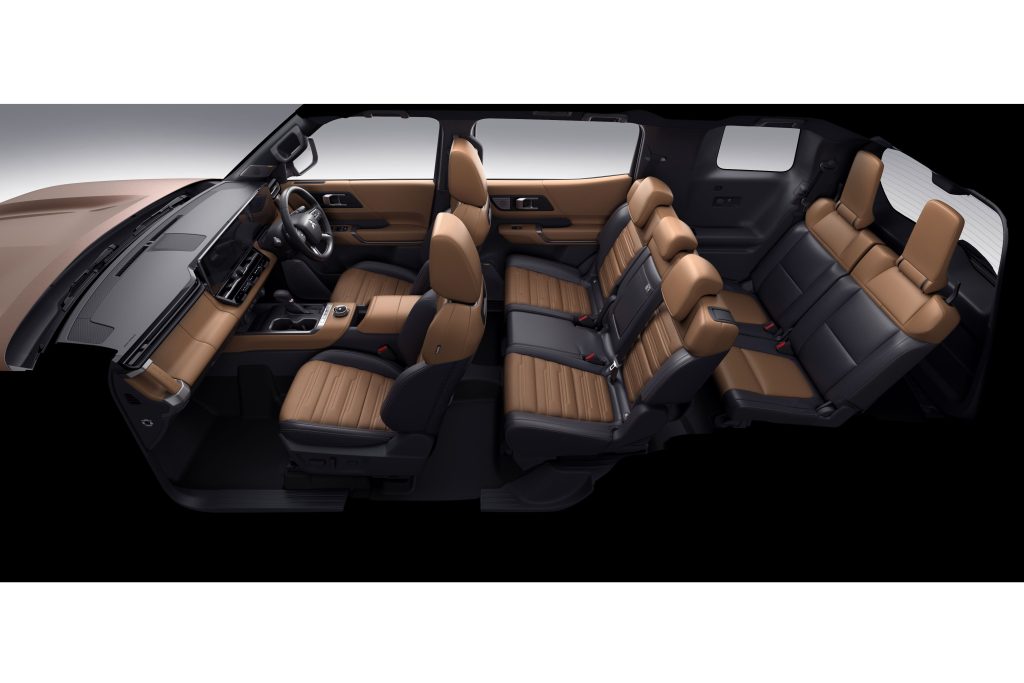
Material selection throughout the interior marks a shift toward premium positioning for the brand. The dashboard and door trims feature soft-touch surfaces detailed with stitching inspired by Kimekomi, a traditional Japanese fabric craft. Interior upholstery options include a new Camel colourway, which provides a high-contrast aesthetic against the black cabin trim. This tone was selected to leverage the natural appearance of genuine materials while pragmatically masking signs of daily wear and tear.
To improve overall refinement, engineers implemented comprehensive noise, vibration, and harshness countermeasures. Acoustic glass is utilised for the windshield and both front and rear door windows. These materials work in tandem with extensive sound-deadening insulation integrated into the body shell to suppress wind and mechanical noise, allowing occupants across all rows to converse at highway speeds.
ASEAN Rollout and Malaysian Market Context
The manufacturing and distribution strategy designates Thailand as the primary production hub, with domestic sales there initiating the global rollout in fiscal 2026. Subsequent launches in Japan and Australia will precede a wider international release spanning over 100 countries by fiscal 2027. For the Malaysian market, the arrival of this model will reposition Mitsubishi in a highly competitive segment currently dominated by established ladder-frame SUVs.
Upon its eventual local launch, the Pajero will face direct structural competition from the Toyota Fortuner and the Ford Everest, both of which have strong footholds in the premium off-road category. While local distributors have not disclosed official pricing for the Malaysian market, industry observers speculate that a vehicle of this size and specification will likely carry a retail price exceeding RM200,000, factoring in current import structures and the premium positioning of the new flagship.
Buyers in Malaysia must also account for road tax structures based on engine capacity. The 2.4-litre diesel engine falls into a bracket that typically incurs an annual road tax of approximately RM793.60 for private individual ownership in Peninsular Malaysia. The structural durability of a ladder-frame chassis holds particular appeal in Malaysia, where drivers frequently navigate deteriorating road surfaces, seasonal flash floods, and unpaved plantation routes. The eventual registration volume for the new Pajero will largely depend on how local consumers weigh the vehicle’s rugged mechanical pedigree against the unibody premium SUVs available at similar price points.