 Zakirin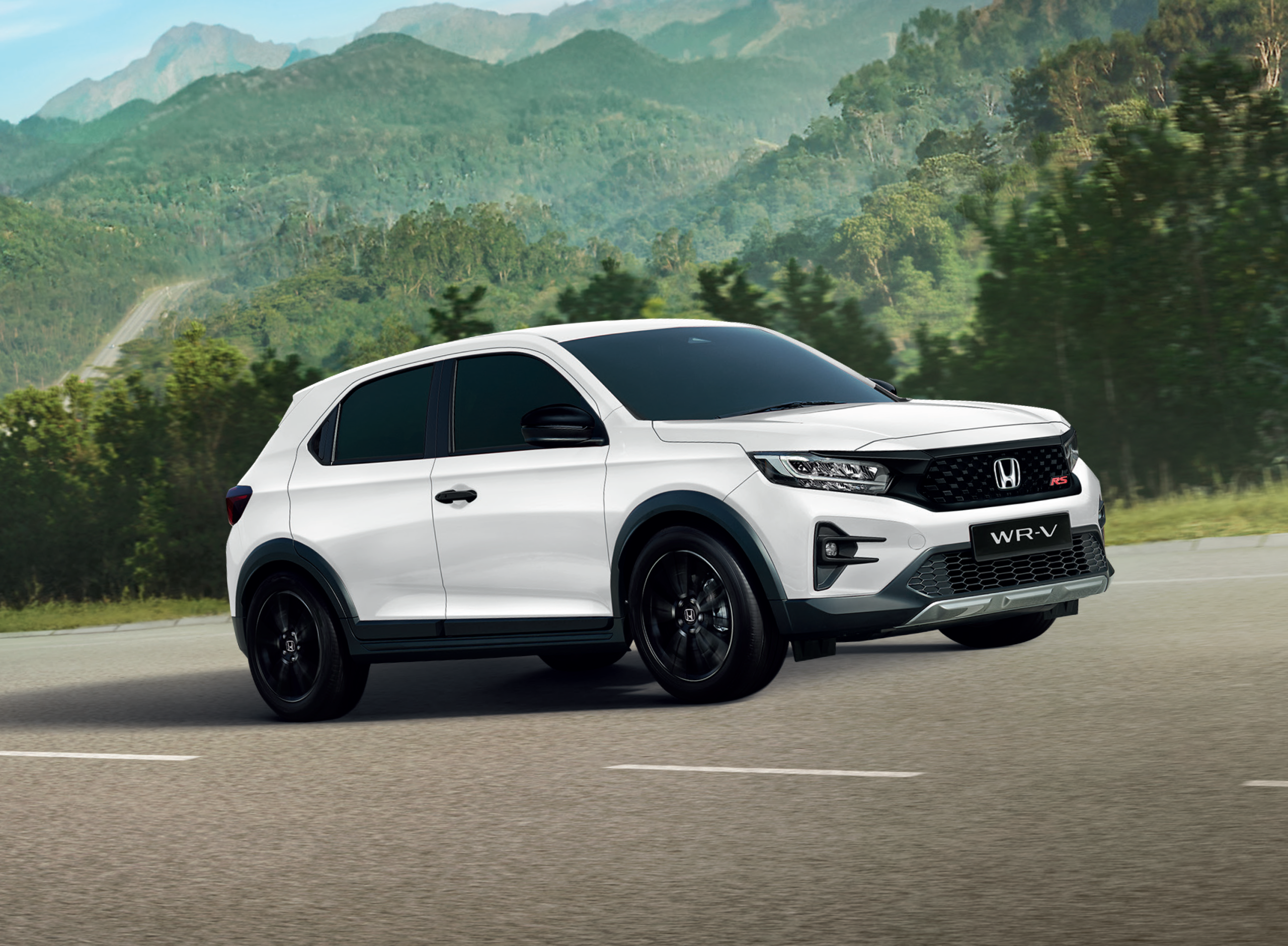
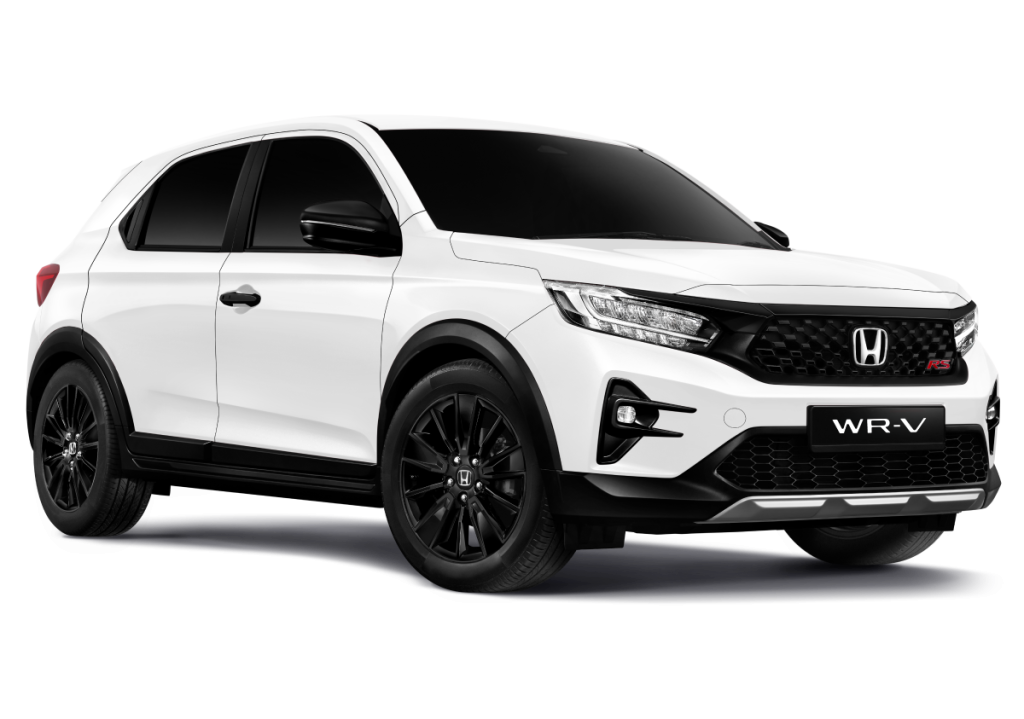
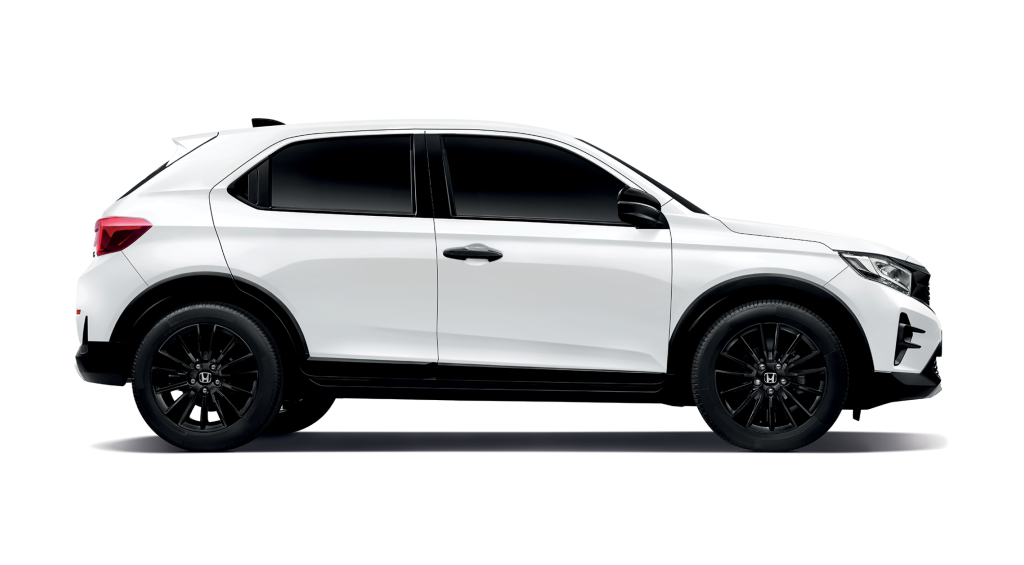
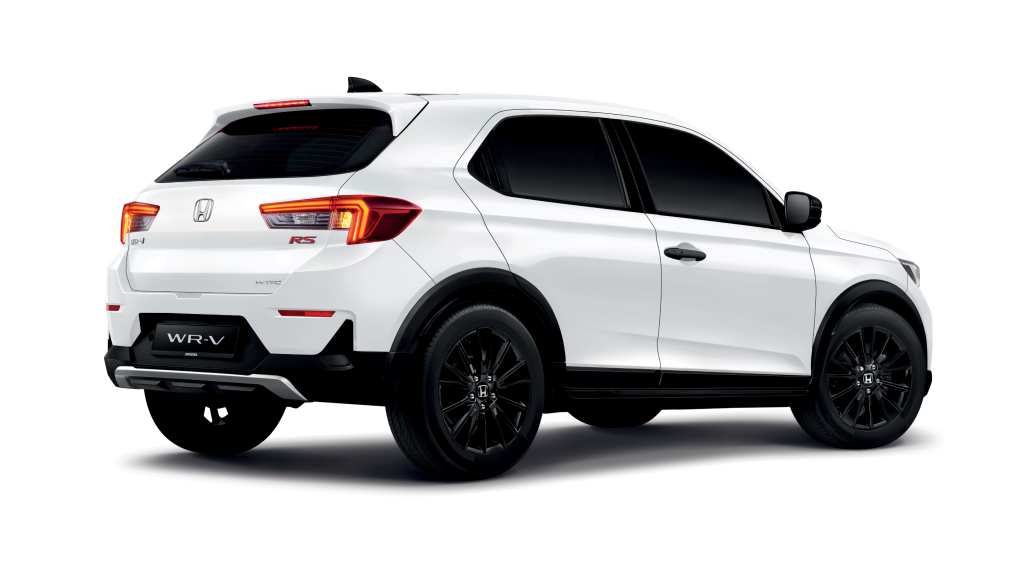
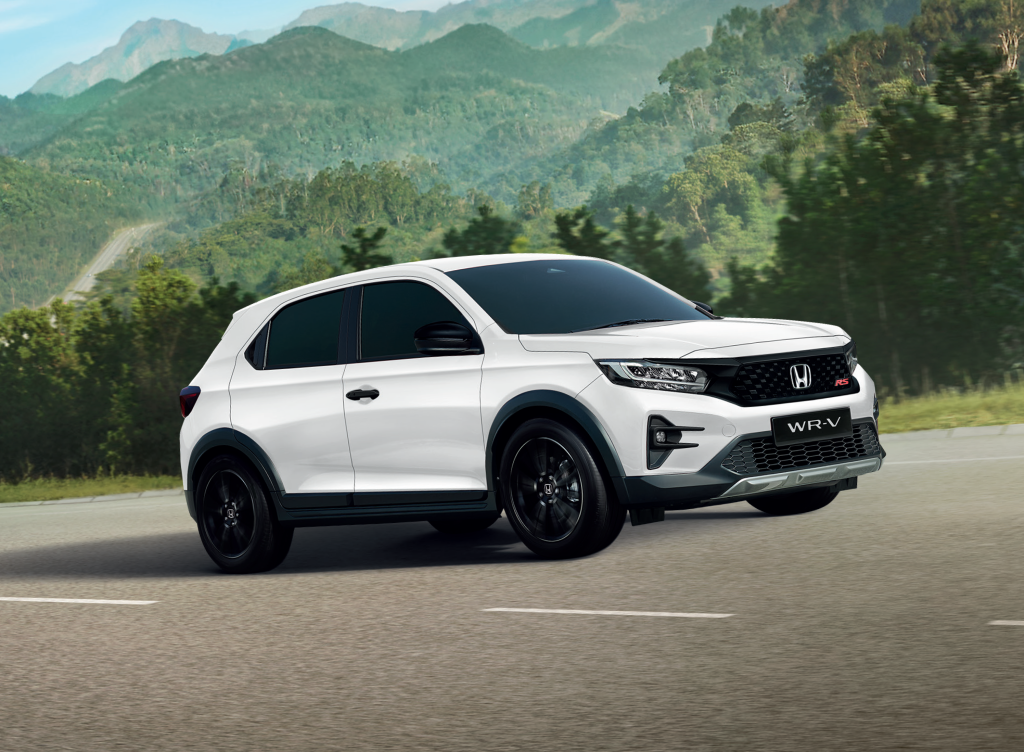
The compact sport utility vehicle segment in Malaysia has seen increased competition with the official arrival of the Honda WR-V, marking the brand’s entry into the fiercely contested entry-level crossover market. As consumers increasingly pivot toward higher-riding vehicles for urban commuting and weekend travel, this new model is positioned to capture a specific demographic seeking Japanese engineering paired with compact dimensions. While the vehicle brings familiar styling cues and an established powertrain to local showrooms, it arrives with a specific set of equipment choices that reflect broader supply chain and pricing strategies. Notably, the decision to launch the vehicle starting from RM94,900 while retaining a traditional analog instrument cluster has sparked discussions among industry observers regarding the balance between modern digital expectations and cost-effective manufacturing in the Malaysian automotive landscape.
Key Points
- The new Honda WR-V has officially entered the Malaysian market with a starting price of RM94,900.
- Despite the premium pricing relative to some local competitors, the base models feature a traditional analog instrument cluster rather than a fully digital display.
- The compact crossover is equipped with a 1.5-litre naturally aspirated engine paired with a continuous variable transmission.
Variant Breakdown and Pricing
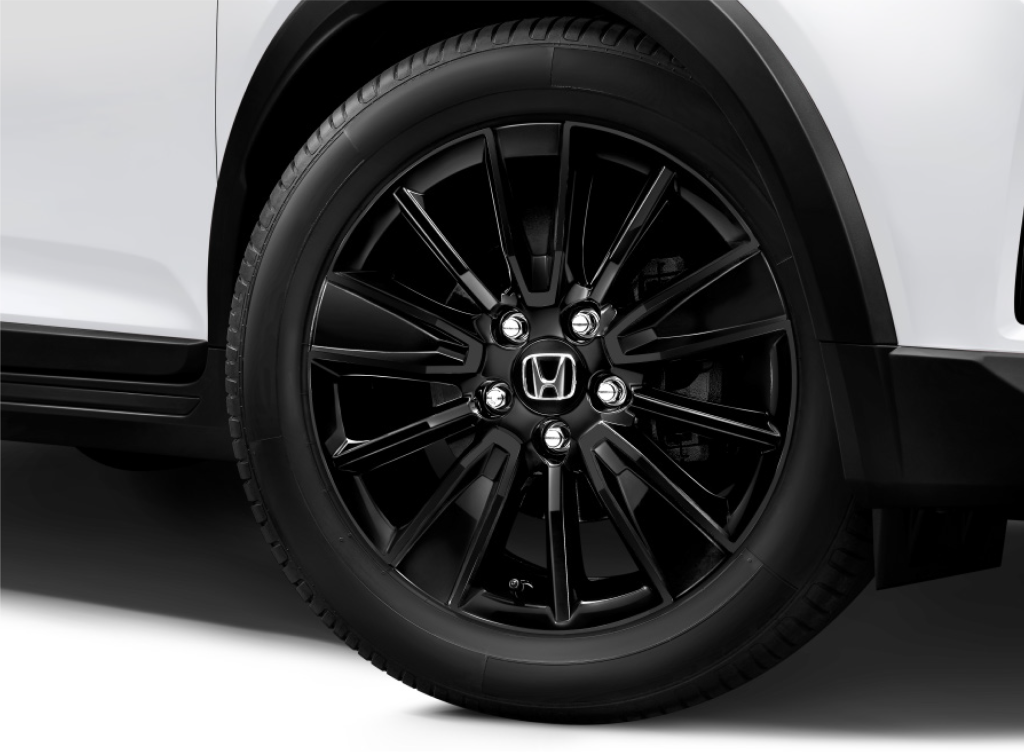
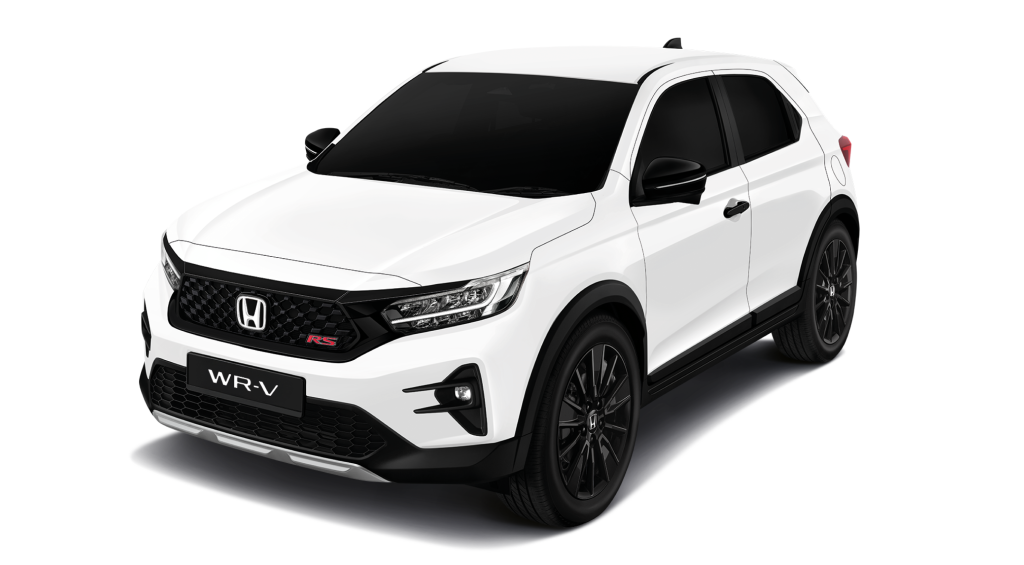
The Malaysian rollout of the Honda WR-V is structured around multiple variants to cater to different budget constraints and equipment preferences. The line-up begins with the entry-level offering priced from RM94,900, which serves as the gateway to the brand’s crossover portfolio. Moving up the tier, buyers can opt for mid-spec and flagship trims, which naturally command a higher premium in exchange for advanced driver assistance systems and cosmetic enhancements like larger alloy wheels and two-tone exterior paint finishes. This tiered approach allows the manufacturer to capture a wide spectrum of buyers, from first-time foreign car owners to those seeking a fully equipped daily driver.
Industry analysts suggest that the RM94,900 price point places the WR-V in a unique bracket, sitting comfortably above national carmaker alternatives but slightly below larger B-segment SUVs such as the Honda HR-V or Toyota Corolla Cross. This pricing strategy reflects the manufacturer’s intent to maintain brand prestige while offering an accessible entry point. The table below outlines the general pricing structure and variant hierarchy observed during the launch period:
| Variant | Retail Price (RM) | Core Enhancements |
| WR-V 1.5L Base | RM94,900 | Standard safety features, fabric seats |
| WR-V 1.5L Mid-Spec | RM99,900 | Upgraded infotainment, alloy wheels |
| WR-V 1.5L High-Spec | RM107,900 | Advanced driver assistance, leatherette seats |
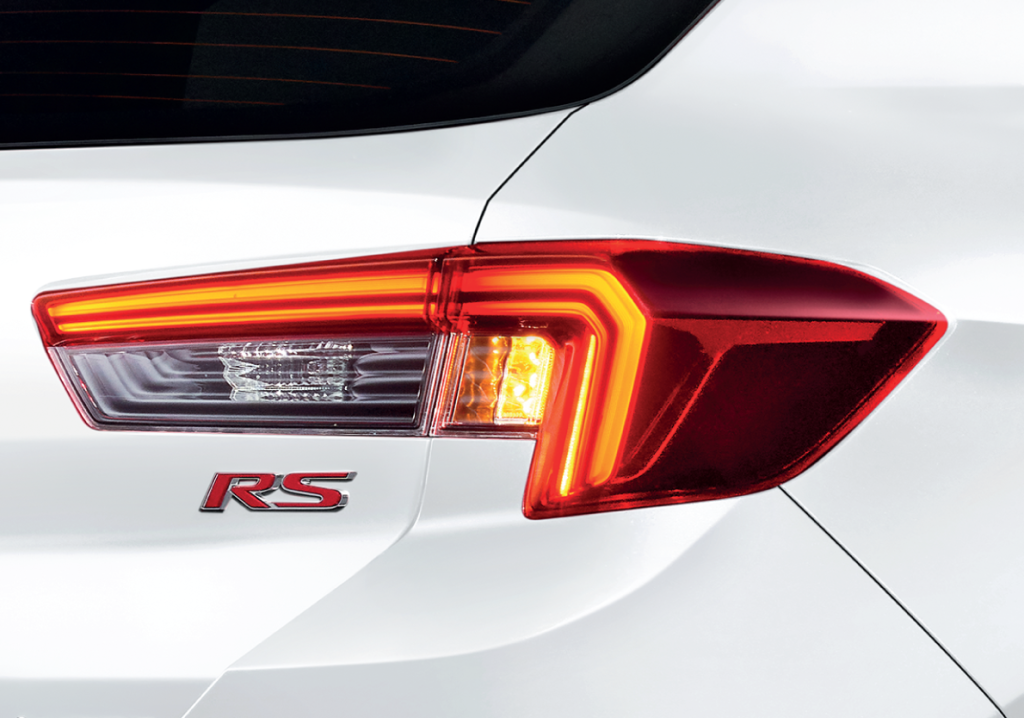
| WR-V 1.5L RS | RM114,900 | Sport exterior styling, premium audio |
All figures are formatted strictly as the base retail price, excluding insurance premiums. Buyers must also consider additional costs such as comprehensive motor coverage and optional dealership accessories, which can incrementally raise the final on-the-road price. Furthermore, regional pricing variations across Peninsular Malaysia, Sabah, and Sarawak apply in accordance with local logistical costs.
Interior Layout and Instrumentation
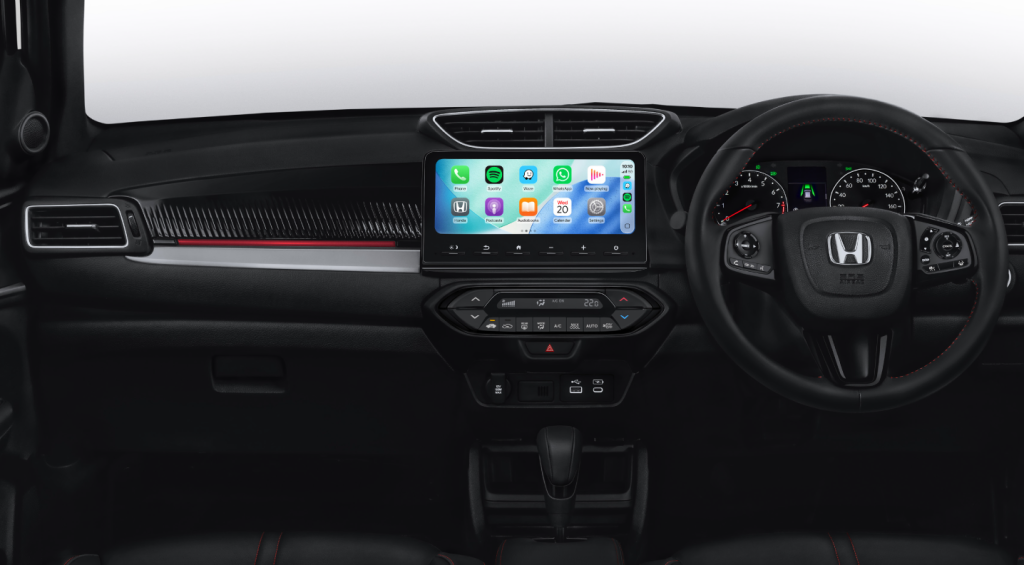
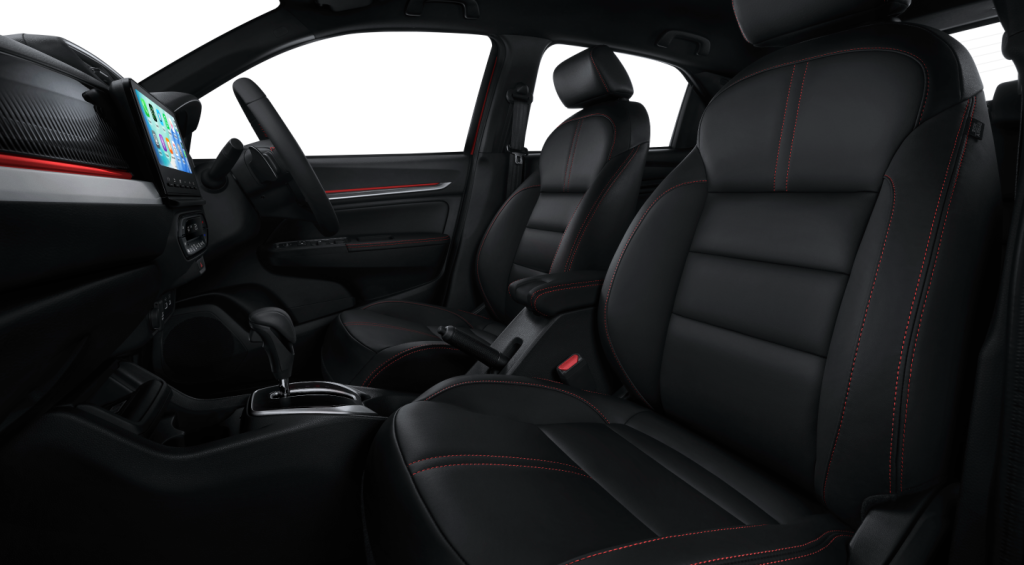
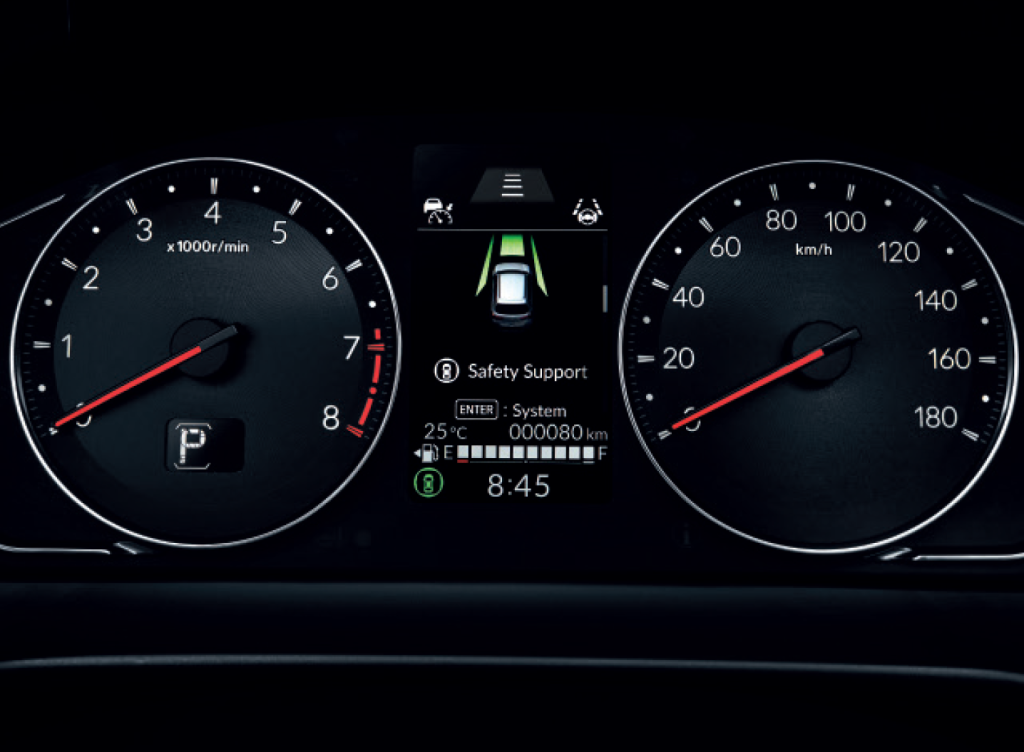
Inside the cabin, the Honda WR-V prioritises functional ergonomics over radical design departures. The dashboard layout is straightforward, housing a central touchscreen infotainment system that offers standard smartphone mirroring capabilities like Apple CarPlay and Android Auto. However, the most notable interior feature—particularly at the RM94,900 entry price—is the retention of an analog instrument cluster. Rather than adopting the fully digital multi-information displays that are becoming increasingly common in this segment, the manufacturer has opted for traditional mechanical dials flanking a smaller digital trip computer.
This instrumentation choice has drawn mixed reactions from local motoring circles. On one hand, analog dials offer proven reliability, clear legibility under direct sunlight, and lower replacement costs in the event of an electrical failure. On the other hand, competitors in similar or even lower price brackets have begun standardising digital clusters, which offer customisable layouts, navigation integration, and a more contemporary aesthetic. The decision to retain analog gauges is likely a calculated move to manage production costs and navigate ongoing global microchip supply constraints without significantly delaying the vehicle’s market introduction.
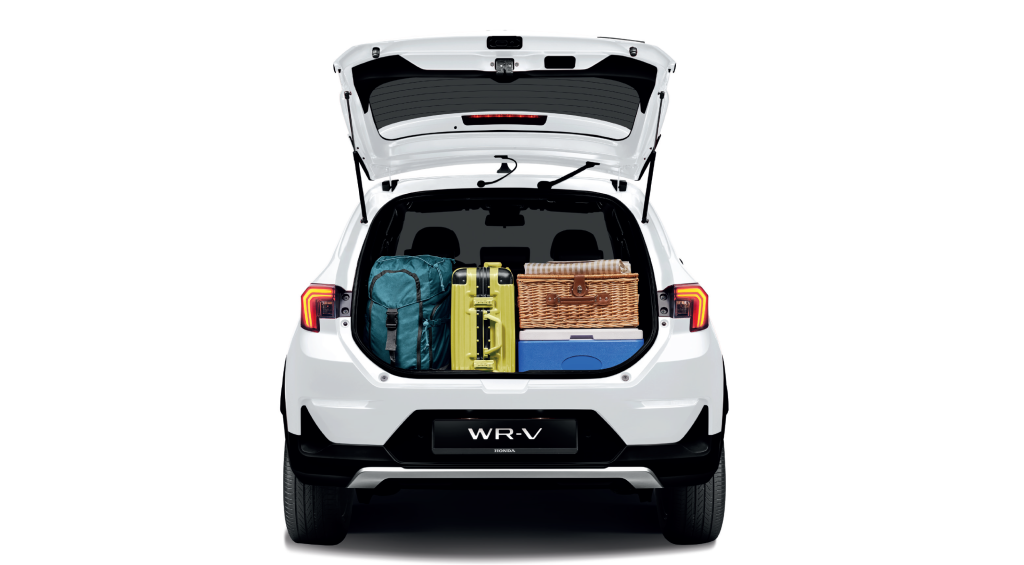
Beyond the instrument panel, the cabin utilises a mix of hard plastics and soft-touch materials on key contact points. Seating configurations allow for standard passenger capacities, while the boot space is calibrated to accommodate routine grocery runs and short-haul luggage. The overall interior environment is utilitarian, relying on physical climate control buttons rather than integrating all functions into the central screen. This approach provides tactile feedback for the driver, a feature that safety advocates often prefer over touch-sensitive panels.
Powertrain Specifications
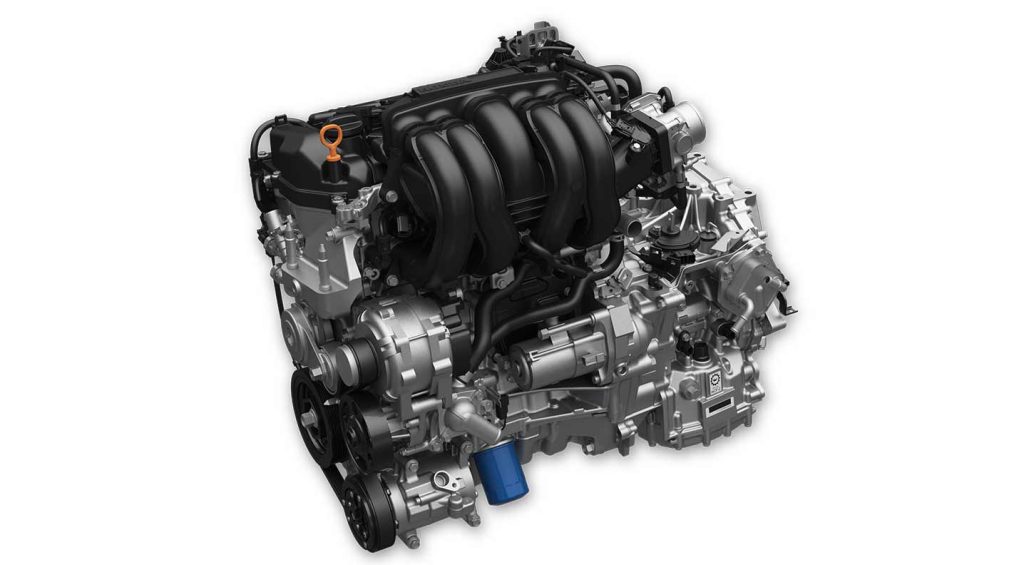
Motivation for the new crossover comes from a familiar mechanical setup that has seen extensive use across the manufacturer’s broader vehicle lineup, including its popular B-segment sedans. The WR-V is powered by a 1.5-litre naturally aspirated four-cylinder petrol engine. This powerplant, featuring dual overhead camshafts and the brand’s proprietary variable valve timing technology, is engineered to balance daily driveability with fuel efficiency in heavy urban traffic.
Power is routed exclusively to the front wheels via a continuously variable transmission (CVT), an automatic gearbox style that has become the standard for urban-focused crossovers in the ASEAN region. The powertrain output figures reflect a vehicle designed primarily for city navigation and predictable acceleration rather than high-performance highway driving.
- Engine Type: 1.5-litre naturally aspirated four-cylinder
- Maximum Power: 121 horsepower at 6,600 rpm
- Maximum Torque: 145 Newton-metres at 4,300 rpm
- Transmission: Continuously Variable Transmission (CVT)
- Drivetrain: Front-Wheel Drive
This configuration ensures that the vehicle falls within an accessible road tax bracket in Malaysia, which currently stands at RM90 annually for a 1.5-litre engine capacity. The mechanical setup is also known for its long-term durability, a factor that often appeals to the pragmatic sensibilities of Malaysian car buyers looking for long-term ownership without excessive maintenance overheads. Furthermore, the absence of turbocharging simplifies routine servicing, reducing the complexity of mechanical inspections during scheduled maintenance intervals.
Market Positioning and Competitors
Entering the Malaysian market requires navigating a landscape heavily influenced by established local manufacturers that benefit from domestic tax advantages. The WR-V faces immediate structural competition from domestic champions, most notably the Perodua Ativa and the Proton X50. Both national competitors benefit from favourable excise duty structures, allowing them to offer highly competitive pricing and, in some cases, more expansive equipment lists including digital clusters and turbocharged engines.
However, the RM94,900 starting price positions this new model as an alternative for buyers transitioning from national brands to foreign marques. The vehicle leverages its strong brand equity, an expansive nationwide aftersales network, and perceived long-term reliability to justify its market placement. Industry observers speculate that while the higher base price and analog instrumentation may deter highly price-sensitive consumers, a dedicated segment of buyers will remain loyal to the badge. These consumers often prioritise resale value and dealership experiences over outright technical specifications.
In the broader context of Malaysian automotive sales, the introduction of this model reflects a continuous shift away from traditional sedans and hatchbacks. Automakers are responding to the local preference for vehicles that offer higher ground clearance, better visibility, and the ability to handle uneven road surfaces and seasonal flash floods with greater ease. Tracking the registration volume of this model in the coming months will provide concrete data on how the local demographic balances brand preference against equipment value.