 Zakirin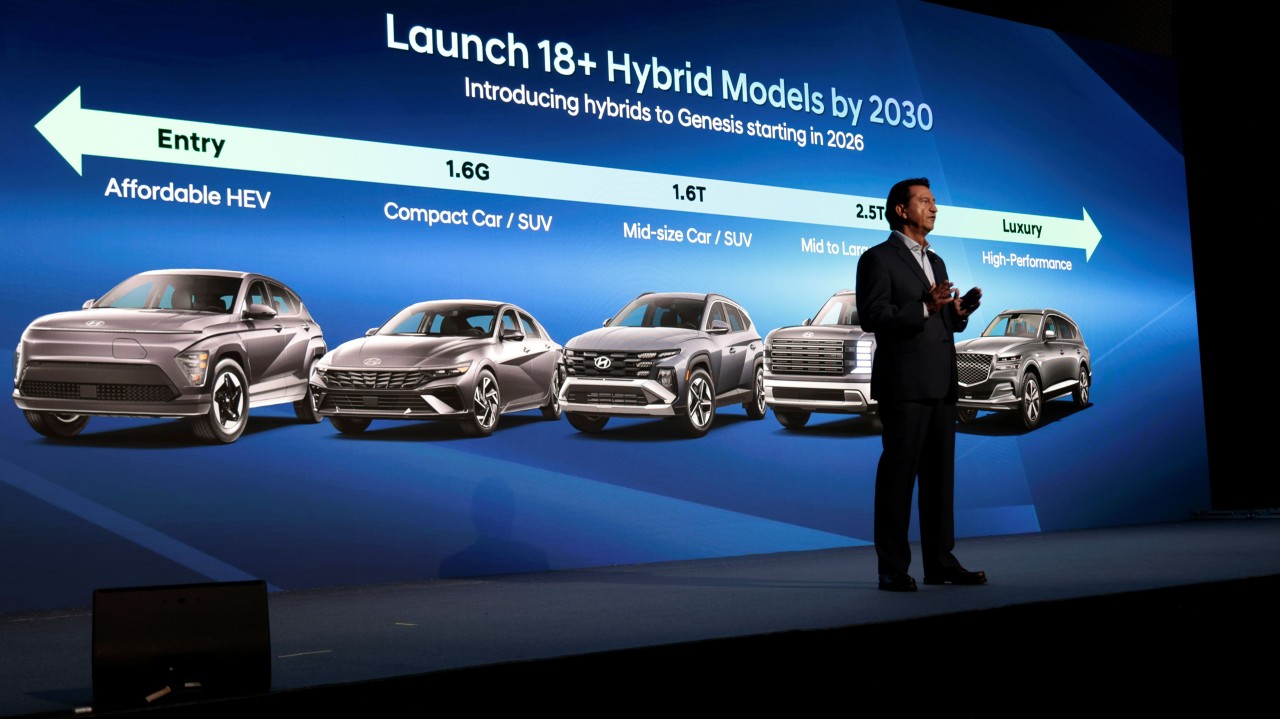
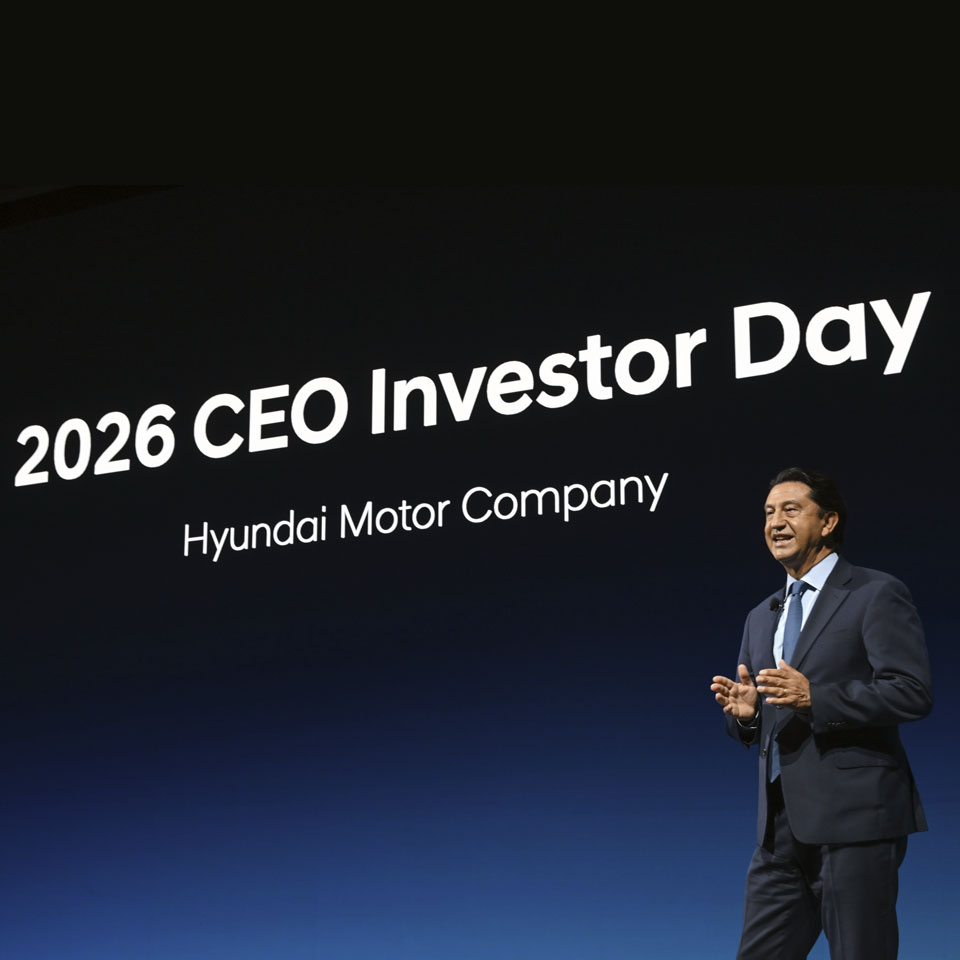
During its 2026 CEO Investor Day, Hyundai Motor Company detailed an aggressive global product strategy aimed at achieving 5.55 million annual vehicle sales by 2030. The South Korean automaker outlined plans to introduce or refresh more than 100 models across its portfolio within this timeframe. A central element of this announcement is the confirmation of the brand’s first extended-range electric vehicle (EREV), which will debut as a variant of the popular Santa Fe SUV. This strategic pivot highlights Hyundai’s recognition of the ongoing transition period between internal combustion engines and pure battery-electric vehicles, offering consumers an alternative that mitigates range anxiety while increasing overall electrified options in the market.
Key Points
- Hyundai plans to launch or refresh over 100 vehicle models globally by 2030 to reach an annual sales target of 5.55 million units.
- The upcoming Hyundai Santa Fe EREV, set for a 2027 debut, will offer a combined driving range of up to 966 kilometres.
- North America will lead the product offensive with 58 planned launches, followed closely by the domestic South Korean market with 49 launches.
The Santa Fe EREV Strategy
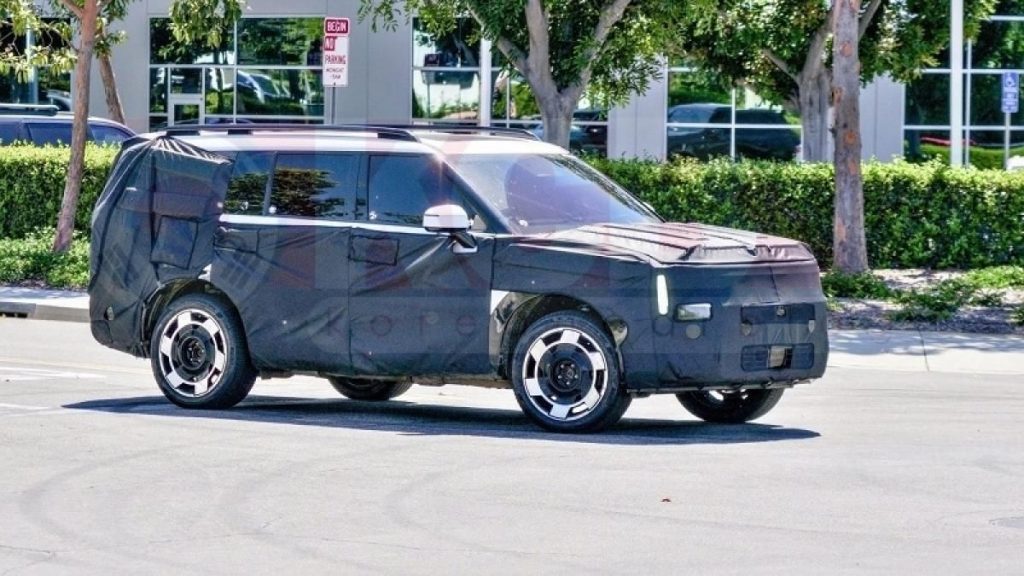
The introduction of an extended-range electric vehicle represents a significant shift for Hyundai, bridging the gap between conventional plug-in hybrids and full battery-electric models. Scheduled to arrive in the first half of 2027, the Santa Fe EREV is designed to alleviate the range anxiety that still deters some buyers from adopting fully electric vehicles. Unlike standard plug-in hybrids that primarily rely on the internal combustion engine once the battery is depleted, an EREV typically uses a larger battery for primary propulsion, with the combustion engine acting solely as a generator to recharge the battery on the move.
Hyundai has stated that the Santa Fe EREV will deliver a substantial combined driving range of up to 966 kilometres (approximately 600 miles). Production for this model is slated for the Hyundai Motor Manufacturing Alabama facility, strongly indicating that the United States will be the initial target market. While there is no immediate confirmation regarding right-hand-drive production or availability in Malaysia, the current popularity of the Santa Fe in the local market suggests that Hyundai Sime Darby Motors (HSDM) may evaluate the EREV for introduction, provided local taxation structures become more favourable for hybrid and extended-range technologies.
Global Product Launches by Region
To achieve its ambitious 2030 sales volume target, Hyundai has mapped out a rigorous schedule of product launches and lifecycle updates distributed strategically across key global markets. The distribution reflects the brand’s focus on established automotive regions while also acknowledging the growth potential in emerging economies. North America will see the highest concentration of new product activity, reflecting the market’s size and the specific vehicle segments favoured by consumers there.
The planned regional rollout of the 100-plus models by 2030 is structured as follows:
- North America: 58 launches
- South Korea: 49 launches
- Europe: 41 launches
- India: 26 launches
- China: 22 launches
Among the vehicles already confirmed as part of this product wave are the latest iterations of the Elantra sedan and Tucson SUV, alongside the newly revealed Ioniq 3 electric hatchback. Furthermore, the pipeline includes several segment-specific models designed to cater to regional preferences, such as a compact A-segment electric SUV tailored for the Indian market, and distinct B-segment SUVs aimed at global and European consumers respectively.
Expansion into New Market Segments
A critical component of Hyundai’s growth strategy involves entering what the company refers to as “white spaces”—market segments where the brand currently has little to no presence. Hyundai estimates that these underrepresented segments account for roughly 29% of total global automotive sales, representing a significant untapped revenue stream. By expanding into these areas, the automaker aims to attract new demographics and compete directly with established players in highly lucrative categories.
The planned expansion into these new segments includes:
- Body-on-Frame Vehicles: Development of rugged platforms to support new entries, including a midsize pick-up truck.
- Light Commercial Vehicles: Expanding the commercial lineup to capture a larger share of the fleet and logistics market.
- High-Performance N Division: Introducing new models under the N banner with the specific goal of increasing the performance sub-brand’s annual sales to 100,000 units by 2030.
This diversification strategy indicates Hyundai’s intent to evolve from a mainstream passenger car manufacturer into a full-spectrum mobility provider, capable of addressing everything from commercial utility needs to high-performance enthusiast demands. For the Malaysian market, a midsize pick-up truck from Hyundai could introduce fresh competition against established stalwarts like the Toyota Hilux, Isuzu D-Max, and Ford Ranger, provided the pricing and specifications align with local commercial and lifestyle requirements.