 Zakirin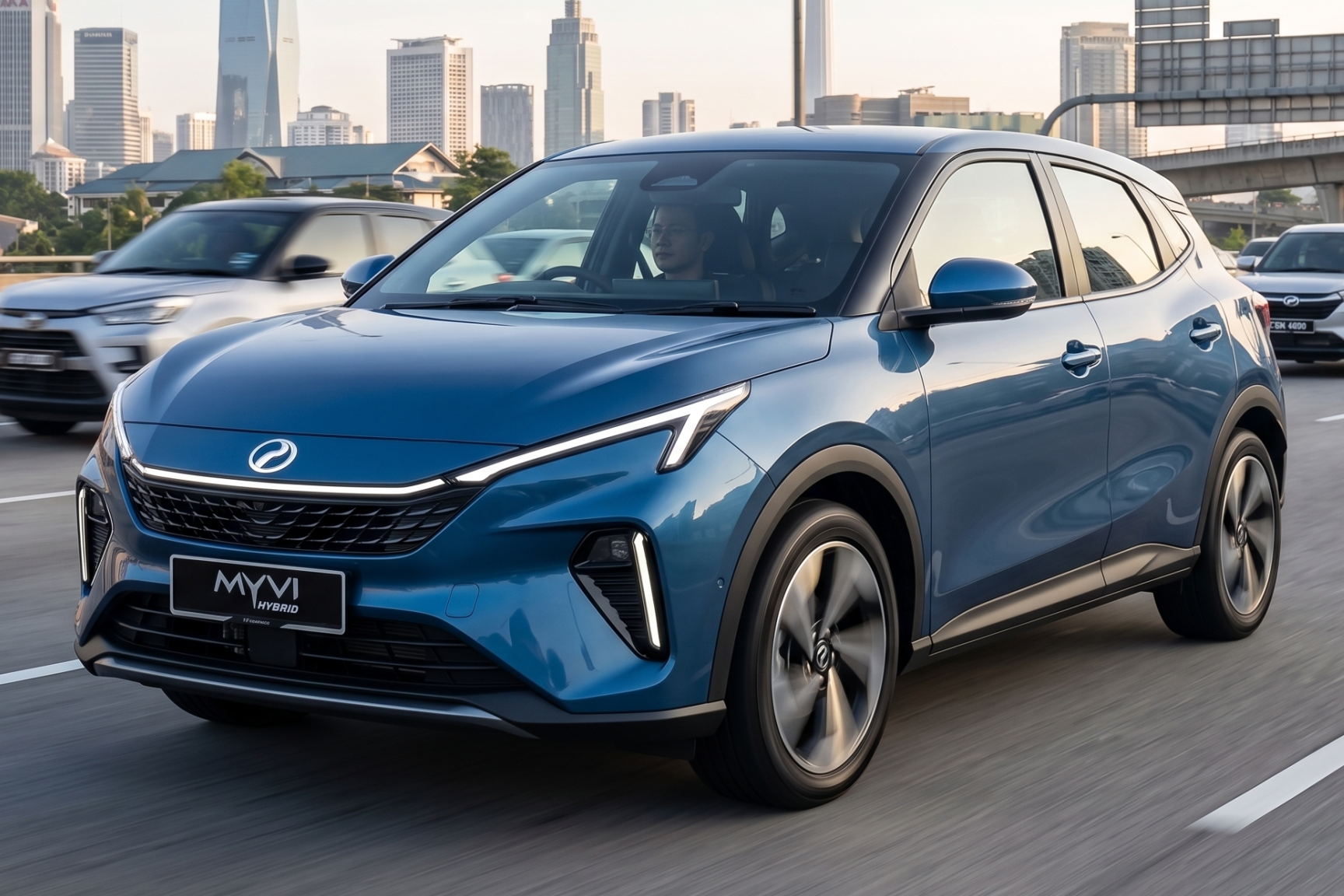
Malaysian tier-one automotive supplier MCE Holdings has officially secured a highly lucrative supply contract with Perodua, inadvertently providing the industry with a crucial timeline for the national automaker’s next major internal combustion engine (ICE) vehicle. Valued at RM54.28 million and spanning a period of forty months, the comprehensive agreement dictates the localized production of sophisticated mechatronic components and advanced driver assistance system (ADAS) hardware. With component manufacturing strictly slated to begin in the second quarter of the 2027 calendar year, market analysts are already piecing together Perodua’s product roadmap, pointing toward a deliberate holding pattern for the remainder of the current year before the highly anticipated arrival of either the next-generation Myvi or a completely overhauled Bezza sedan.
Key Points
- MCE Holdings has secured a comprehensive RM54.28 million contract to supply electronics and mechatronic components for a new Perodua ICE vehicle over a span of forty months.
- Manufacturing of the localized hardware will commence in the second quarter of 2027 at the newly established MCE Auto Hub in Serendah, Selangor.
- The disclosed production timeline strongly suggests that Perodua will hold off on major ICE launches this year, paving the way for either the Myvi D10D or a new Bezza.
Supplier Contracts and Ecosystem Impact
The automotive supply chain in Malaysia is undergoing a significant transformation, driven by the increasing consumer demand for localized, high-tech vehicle components. MCE Holdings’ latest RM54.28 million agreement with Perodua underscores a deliberate industry shift away from importing costly electronic systems in favor of empowering domestic tier-one vendors. Over the course of the forty-month contract, the supplier will be responsible for manufacturing critical interior and safety technologies that have become standard expectations for modern buyers, even in the entry-level automotive segment. This arrangement ensures a steady, long-term revenue stream for the supplier while simultaneously insulating Perodua against global supply chain volatility and fluctuating import tariffs.
Integrating such advanced features into mass-market vehicles requires a comprehensive suite of hardware that previously would have been sourced from overseas electronics manufacturers. Under the specific terms of this new arrangement, MCE Holdings will be tasked with producing a variety of critical mechatronic parts to meet these modern demands.
- High-resolution audio display units tailored specifically for Perodua’s proprietary digital infotainment interface.
- Reverse camera modules calibrated to provide precise parking assistance in congested urban environments.
- Advanced Driver Assistance Systems (ADAS) sensor housings, micro-controllers, and related electronic mounting brackets.
By successfully securing this deal, MCE Holdings is achieving a major corporate milestone. This marks the firm’s first opportunity to supply complex vehicle audio displays and ADAS-related components specifically for a traditional internal combustion engine vehicle. Providing these critical electronic systems at scale for a high-volume national automaker will drastically elevate the supplier’s technical capabilities, effectively solidifying its standing within the highly competitive Southeast Asian automotive manufacturing landscape.
Expanding the Local Mechatronics Footprint
Financial filings indicate that all primary production for this project will be handled directly by the subsidiary Multi-Code Electronics Industries. The official timeline targets the fourth quarter of the company’s financial year ending July 31, 2027, which perfectly aligns with the second calendar quarter of 2027. All fabrication, testing, and final assembly processes are designated for the group’s newly launched MCE Auto Hub. Located in Serendah, Selangor, this RM4.95 million facility was strategically established to be in close geographical proximity to Perodua’s own massive manufacturing headquarters in Rawang, thereby minimizing logistical bottlenecks, reducing carbon footprints, and dramatically lowering transport costs.
This ICE vehicle contract is a logical continuation of the supplier’s recent strategic expansion into higher-value electronic ecosystems. Group managing director Goh Kar Chun noted that the long-standing relationship with the national carmaker has allowed the company to progressively take on more sophisticated products and climb higher up the automotive value chain. To truly understand the scale of this progression, it is helpful to contrast this new internal combustion engine commitment with the supplier’s other recent landmark contract.
| Contract Focus | Vehicle Powertrain | Key Components Supplied | Target Production Window |
| Next-Generation Volume Model | Internal Combustion Engine (ICE) | Audio displays, reverse cameras, ADAS systems | Second Quarter 2027 |
| Perodua QV-E | Battery Electric Vehicle (BEV) | High-voltage EV electronics and interior hardware | Fourth Quarter 2025 |
The dual focus on both zero-emission and traditional combustion engine components highlights a deeply pragmatic approach to the shifting automotive landscape. While electric mobility represents the inevitable future of transportation, traditional combustion engine vehicles will remain the absolute lifeblood of the Malaysian market for several more years, necessitating ongoing, heavy investment in localized technology for these proven platforms.
Market Timing After the Traz and QV-E
In the fast-paced automotive sector, supplier contract disclosures frequently act as the earliest and most accurate indicators of a manufacturer’s upcoming product release schedule. The fact that mechatronic parts production for this unnamed model will only commence in mid-2027 strongly implies a holding pattern for Perodua’s mainstream ICE lineup in the near term. Such a strategic hiatus is entirely logical when examining the brand’s aggressive recent market expansion. Developing, marketing, testing, and distributing entirely new vehicle platforms requires immense capital and factory capacity, meaning automakers must carefully stagger their generational updates to avoid overwhelming their own production lines.
Perodua recently expended significant industrial resources launching two major, market-disrupting vehicles: the all-electric QV-E and the Traz SUV. The QV-E, widely hailed as the first homegrown Malaysian EV offering 204 PS and a 370 km WLTP range, required a monumental shift in manufacturing practices, battery handling safety protocols, and nationwide dealership training. Similarly, the Traz rapidly climbed the sales charts to become a best-selling SUV shortly after its debut, demanding maximum output from the assembly plants. Given the massive effort required to fulfill the ongoing order books for these two distinct models, pushing the next major ICE vehicle to 2027 provides the factory floors with desperately needed breathing room.
Myvi D10D or Next-Generation Bezza Candidates
With the timeline definitively cemented for mid-2027, industry attention has naturally turned toward identifying the specific vehicle slated to receive these locally manufactured ADAS and infotainment components. Two primary candidates dominate the conversation among motoring analysts, both of which are aging mainstays in the brand’s portfolio that are fundamentally overdue for a comprehensive generational leap rather than a simple cosmetic update.
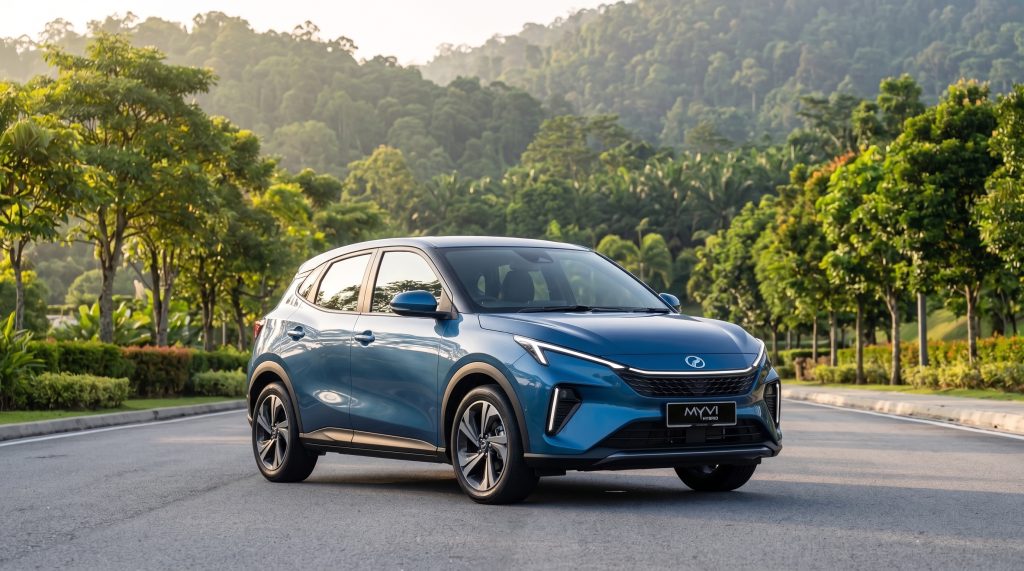
The most prominent possibility is the highly anticipated fourth-generation Myvi, widely rumored to be operating under the internal corporate development code D10D. As Malaysia’s perennial best-selling hatchback, the Myvi consistently dictates the technological baseline for the entire local automotive market. The current third-generation model received a substantial equipment facelift several years ago, and outfitting a completely redesigned D10D chassis with sophisticated MCE-sourced digital displays and high-definition reverse cameras would guarantee its competitive edge against an influx of technologically advanced foreign rivals.
Alternatively, the upcoming manufacturing project could be entirely dedicated to the long-awaited replacement for the Bezza sedan. Originally introduced in 2016 and last updated in 2020, the current Bezza stands as the oldest vehicle in the automaker’s active lineup. As an absolute staple for domestic e-hailing drivers, young families, and first-time buyers alike, a next-generation Bezza would critically require exactly the type of durable, cost-effective touchscreens and sensor brackets that MCE Holdings is now contracted to build. Whether the mid-2027 launch ultimately reveals the cutting-edge D10D Myvi or a revolutionized Bezza sedan, the integration of localized high-tech mechatronics ensures the chosen vehicle will continue to push the boundaries of entry-level affordability and modern automotive safety standards.