 Zakirin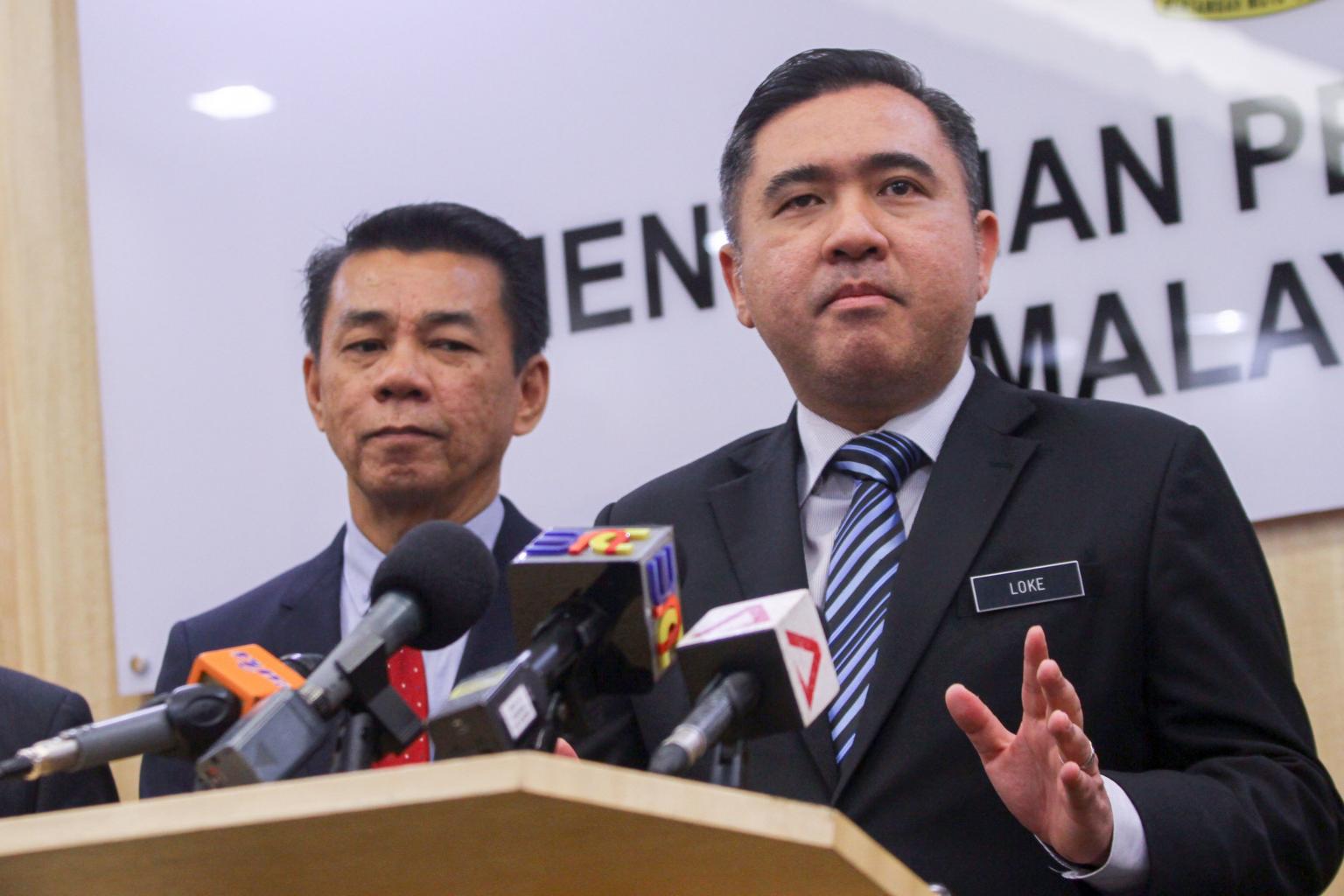
KUALA LUMPUR, 26 August 2026 — The Ministry of Transport (MOT) is evaluating a trade-in subsidy programme aimed at encouraging motorcycle owners to replace aging two-wheelers with newer, safer, and more fuel-efficient models. Transport Minister Anthony Loke confirmed that the proposed scheme could offer a cash subsidy of approximately RM1,000 per eligible recipient, with potential implementation targeted for late 2026 or early 2027 depending on finalized funding structures.
Key Proposed Scheme Parameters
The initiative seeks to adapt the framework of earlier passenger vehicle scrappage incentives to address the high volume of legacy motorcycles operating on Malaysian roads.
| Parameter | Proposed Scheme Details |
| Proposed Subsidy Value | RM1,000 per eligible trade-in unit |
| Target Vehicle Category | Motorcycles aged 10 years and older |
| Replacement Scope | Locally assembled (CKD) motorcycles |
| Target Implementation Window | Late 2026 to early 2027 |
| Primary Funding Source | Internal MOT revenue (Special vehicle registration number / vanity plate auctions) |
| Stakeholder Bodies Involved | MOT, MMSDA (Malaysia Motorcycle and Scooter Dealers Association), MMMA |
Funding Mechanism via Special Registration Plates
Rather than relying entirely on direct fiscal grants from the Ministry of Finance (MOF), the MOT is exploring self-sustaining funding models:
- Vanity Plate Proceeds: Utilizing proceeds generated from the Road Transport Department’s (JPJ) bidding auctions for special and premium vehicle registration number series to capitalize the subsidy pool.
- Dedicated Allocation: Exploring whether several million ringgit from internal MOT revenue streams can be earmarked specifically for two-wheeler road safety and replacement programmes.
- Precedent Vehicle Grant Comparison: Follows the January 2026 vehicle replacement scheme (which allocated an RM10 million government fund offering matching grants of up to RM4,000 alongside Proton and Perodua for cars aged 20+ years, exhausting its quota within three months).
Industry Engagement and Assembly Requirements
The rollout of the motorcycle trade-in initiative remains contingent upon formal agreements with domestic manufacturing and retail stakeholders:
- Local Assembly Requirement (CKD): Subsidy eligibility will apply strictly to locally assembled (CKD) two-wheelers to support domestic automotive supply chains, excluding completely built-up (CBU) imported units.
- Dealer and Manufacturer Dialogue: The Malaysia Motorcycle and Scooter Dealers Association (MMSDA)—led by President Dato’ Wong Fung—alongside the Malaysia Motorcycle Manufacturers Association (MMMA) have submitted formal proposals advocating for an RM1,000 incentive for bikes over a decade old.
- Manufacturer Matching: MOT is discussing whether local motorcycle brand assemblers (such as Hong Leong Yamaha, Boon Siew Honda, Modenas, and Suzuki Malaysia) will provide additional matching rebates or trade-in top-ups.
Road Safety and Policy Objectives
- Accident Mitigation: Older motorcycles frequently lack modern active safety components, including combined braking systems (CBS), anti-lock braking systems (ABS), tubeless tyres, and high-luminance LED lighting.
- Socioeconomic Relief: Designed to assist low-income (B40) and gig-economy delivery riders in transitioning to reliable, lower-emission transport without incurring excessive debt burdens.
- Fleet Modernisation: Serves as an incremental step toward voluntary End-of-Life Vehicle (ELV) frameworks within the domestic two-wheeler segment.
Official Statements
Transport Minister Anthony Loke stated that the MOT secretary-general is reviewing internal fund allocation options. He noted that while the subsidy quantum for motorcycles will be lower than the car programme due to the substantially higher volume of registered bikes in Malaysia, tapping internal revenue from vehicle plate auctions could provide the fiscal space required to introduce the incentive by year-end 2026 or early 2027.