 Zakirin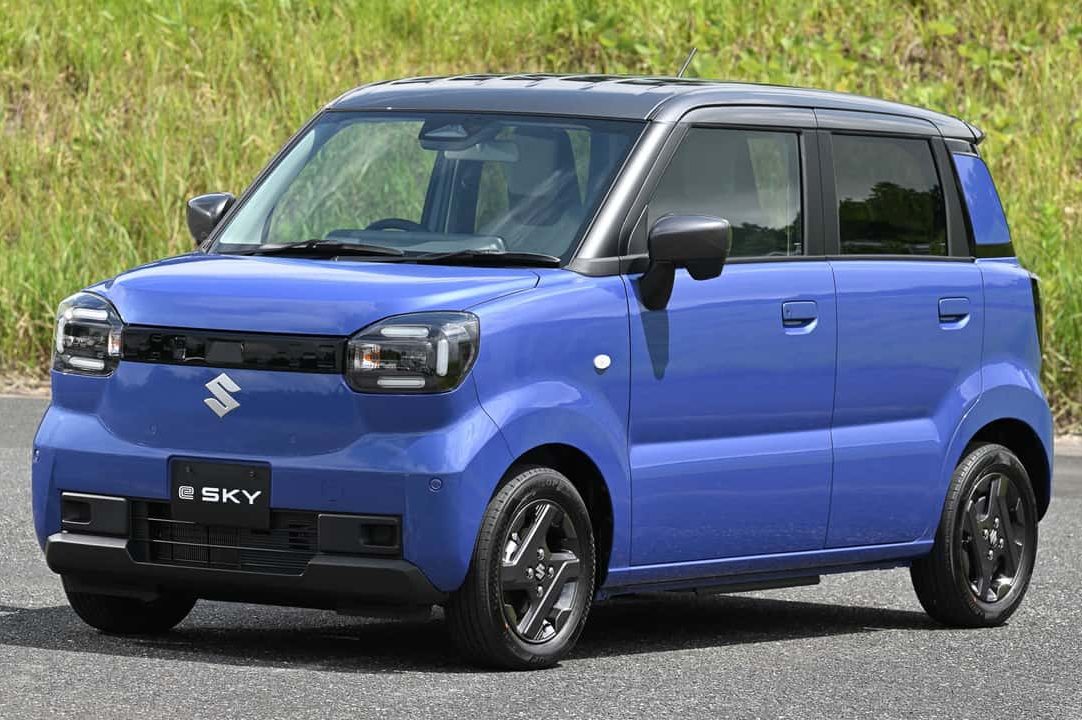
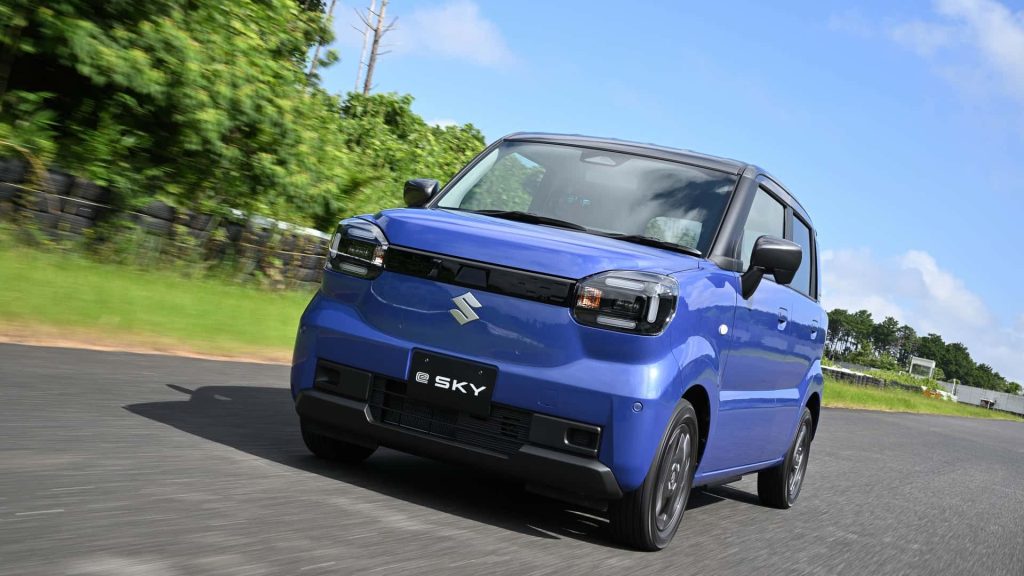
Suzuki is officially charging into the electric micro-car segment with the eSky, an adorable yet highly functional zero-emissions kei car. Built to compete with heavyweights like the Honda N-One e:, Nissan Sakura, Mitsubishi eK X EV, and the sliding-door BYD Racco, this compact EV brings a fresh, retro-futuristic flavor to urban mobility. While an official price tag has yet to be announced by Suzuki, looking at the pricing structure of its direct rivals in Japan suggests a logical estimated entry point of around RM80,000 to RM90,000 if directly converted. What makes this little tyke particularly noteworthy is Suzuki’s ambition to export it far beyond its home turf, following in the footsteps of the Honda Super-One by targeting the UK and European markets.
Article Summary
- “despite its middling 26 kWh battery capacity, the eSky is said to be capable of travelling up to 310 km on Japan’s more lenient version of the WLTP cycle.”
- “the eSky is expected to be exported to Europe and the UK according to Nikkei Asia, with Autocar adding that the car will debut in Britain as early as next year.”
- “plans for it to be sold in Malaysia were curtailed by the reintroduction of import and excise duties for EVs… as it wouldn’t be able to meet the ministry’s 245 PS minimum power output or minimum value of RM200,000.”
Unlike competitors that simply cram electric motors into existing combustion-engine chassis, the eSky is built from the ground up on the dedicated Heartect-e platform shared with the eVitara. Visually, it retains the upright, boxy charm of last year’s Vision e-Sky concept. It features signature three-point C-clamp lighting, a wraparound windscreen design, and a contrasting roof, though it trades the concept’s flush door handles and massive wheels for more practical 14-inch black alloys.
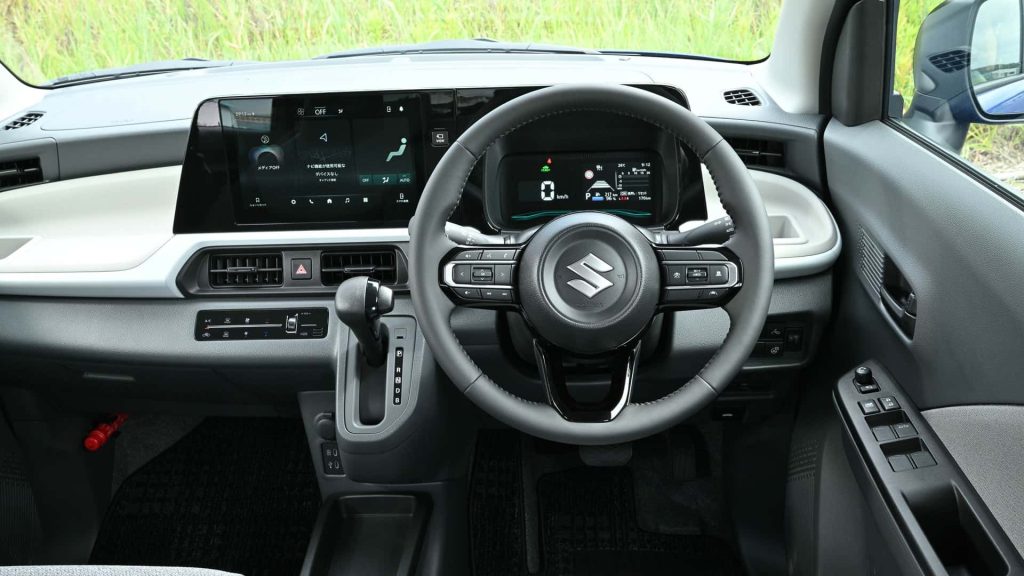
Inside, the cabin strikes a brilliant balance between nostalgia and modern tech. Drivers are greeted by a quirky, calculator-style seven-segment LCD instrument cluster, paired with a 10.1-inch infotainment touchscreen—a first for any of Suzuki’s kei models. It also boasts immense practicality for its size, offering a 100-volt, 1.5 kW rear power outlet to charge laptops or small appliances on the go.
To see how it stacks up against its prominent Chinese rival in the segment, here is a quick look at the core powertrain specifications:
| Specification | Suzuki eSky | BYD Racco |
| Power Output | 64 PS (47 kW) | 64 PS |
| Peak Torque | 133 Nm | ~163 Nm |
| Battery Size | 26 kWh | 35.84 kWh (Blade LFP) |
| Kerb Weight | 1,030 kg | 1,230 kg |
| Claimed Range | 310 km (Japan WLTP) | 320 km (Japan WLTP) |
While the eSky makes do with slightly less torque than the Racco and N-One e:, it counters this with an ultra-light footprint. Tipping the scales at a mere 1,030 kg, it is a staggering 200 kg lighter than the BYD. This strict diet is the secret behind squeezing 310 km of range out of a relatively small 26 kWh battery pack.
When it comes to navigating tight alleyways and charging, the numbers are perfectly tailored for brief city commutes:
| Dimensions & Charging | Suzuki eSky Specs |
| Dimensions (L x W x H) | 3,395 mm x 1,475 mm x 1,625 mm |
| Wheelbase | 2,460 mm (Shortest in class) |
| DC Fast Charging | Up to 50 kW (10% to 80% in 25 mins) |
| AC Charging | 6 kW |
Although a direct retail price remains a mystery, an RM80,000 estimate makes it an incredibly tempting proposition for city dwellers—but local fans should not hold their breath. The harsh reality of Malaysia’s current MITI EV regulations dictates that a fully imported electric vehicle must either pack a massive 245 PS power output or carry a minimum price tag of RM200,000. Unless Suzuki decides to undergo the costly process of local assembly (CKD) for the eSky, this charming, highly efficient city cruiser will remain a forbidden fruit for Malaysians.