 Zakirin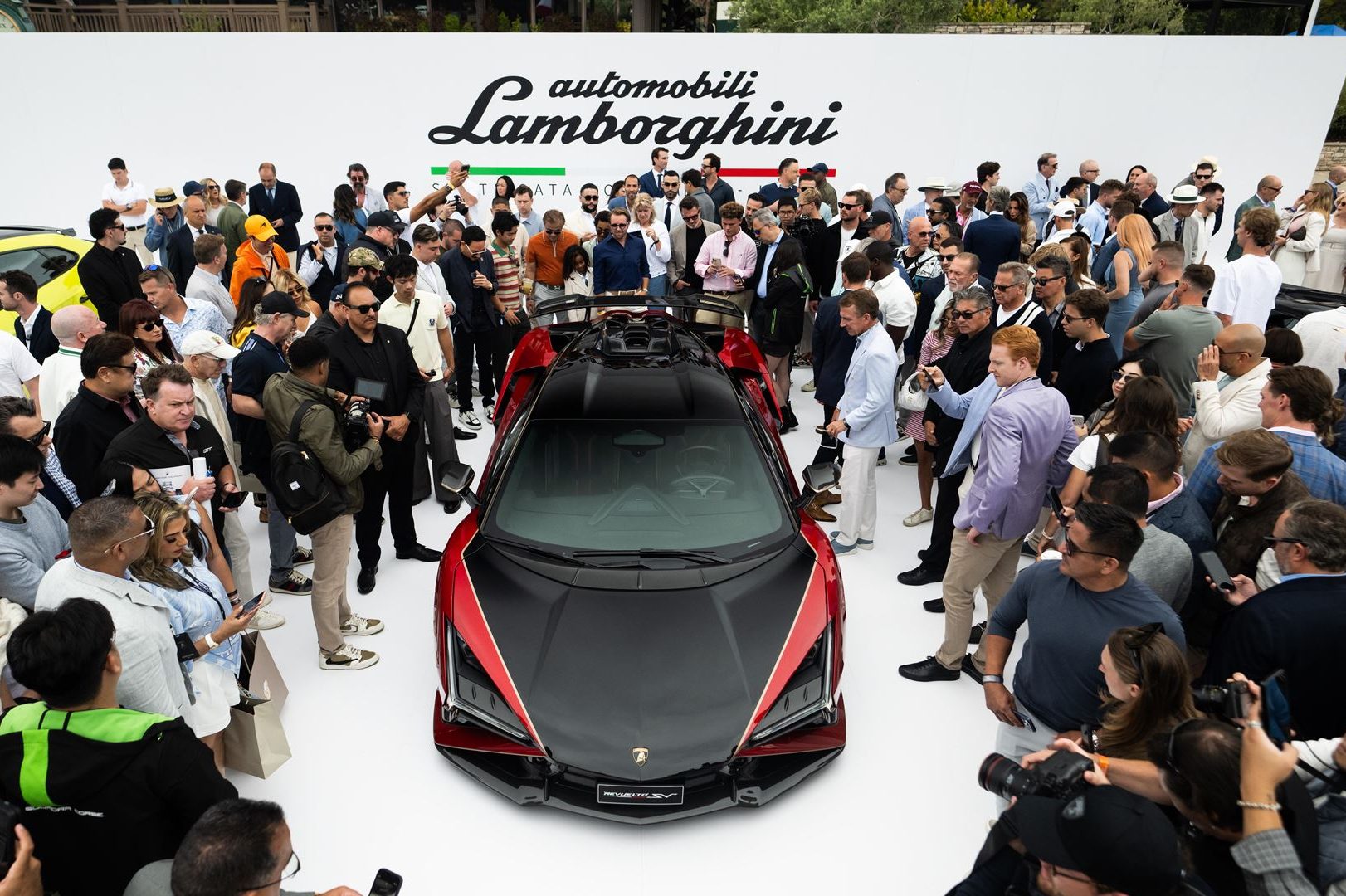
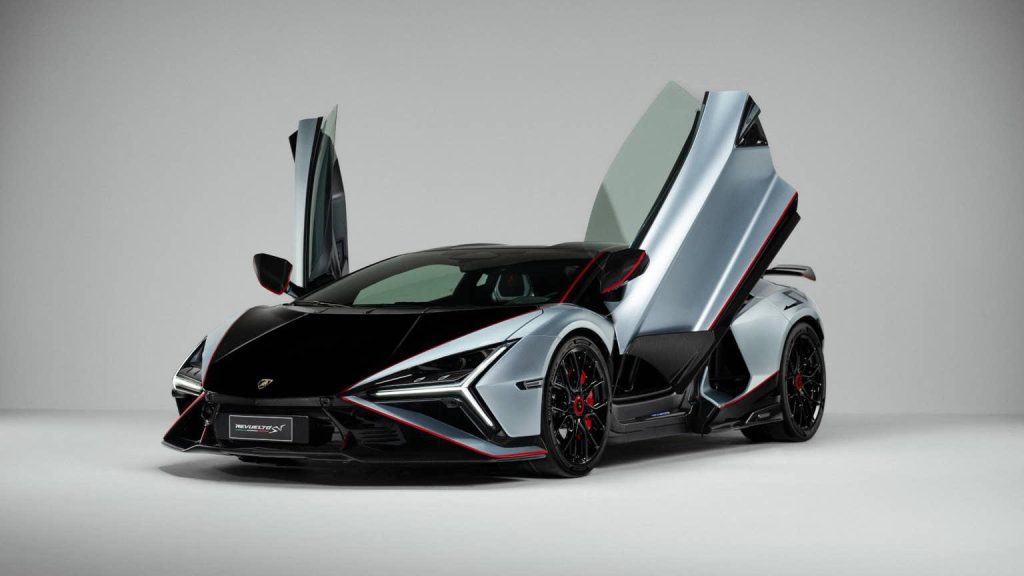
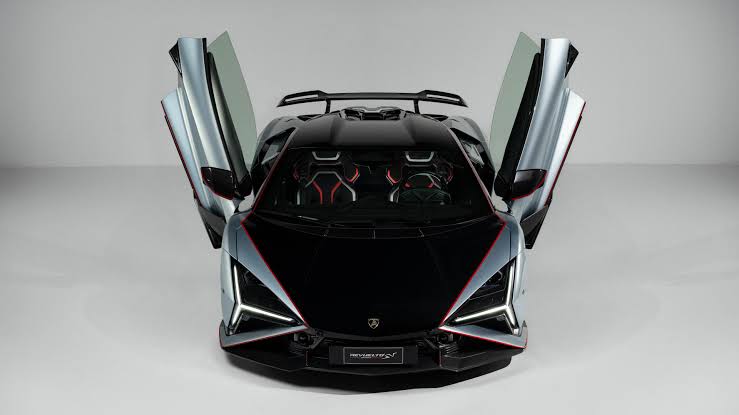
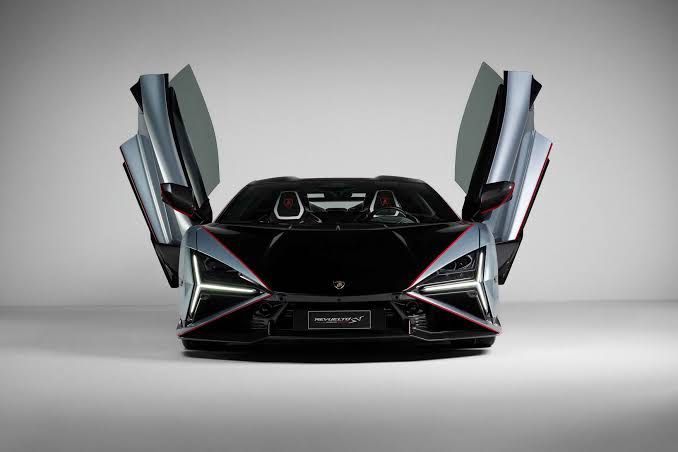
If there is a single geographic coordinate where automotive drama consistently reaches its boiling point, it is the manicured greens of Carmel-by-the-Sea during Monterey Car Week. In August 2026, under the golden California sun at The Quail, A Motorsports Gathering, Automobili Lamborghini delivered the thunderclap the enthusiast world had been waiting for. The Sant’Agata Bolognese manufacturer officially pulled the covers off its latest track-focused titan: the Lamborghini Revuelto SV.
The “Super Veloce” moniker is not handed out lightly. Across six decades of Lamborghini history, only four previous production models—the Miura, Diablo, Murciélago, and Aventador—have earned the right to wear those two sacred letters. The new Revuelto SV immediately claims the crown as the fastest, most powerful production flagship ever to exit the factory gates. It boasts a staggering 1,065 CV, revised aerodynamics, and a blistering 0–100 km/h time of 2.4 seconds.
Yet, as the crowd swarmed the stage and the high-revving 6.5-liter V12 fired up to shake the Monterey turf, a profound realization set in among historians and marque devotees: while this car carries the legendary SV nameplate, it approaches the very concept of “Super Veloce” in a way that fundamentally diverges from every predecessor that came before it.
The Beast Beneath: 1,065 Horses and a 9,500 RPM Symphony
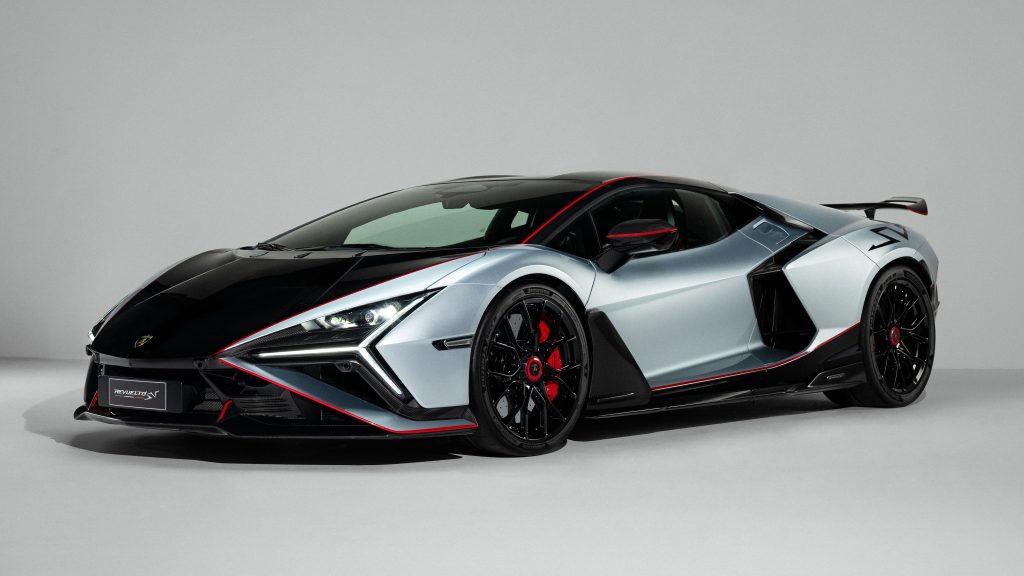
At the mechanical core of the Revuelto SV is an aggressive evolution of Lamborghini’s High Performance Electrified Vehicle (HPEV) architecture. The naturally aspirated 6.5-liter L545 V12 engine—already an engineering masterpiece in the standard Revuelto—has been massaged and recalibrated to work alongside three high-output electric motors with even greater ferocity.
The combined powertrain now develops a colossal 1,065 CV (approximately 1,050 horsepower) and an earth-moving 1,425 Nm of peak system torque. The mid-mounted combustion heart screams to a spine-tingling 9,500 rpm redline, delivering an exhaust note that reverberated across the Monterey peninsula during its unveiling.
Power is managed through a transverse eight-speed dual-clutch transmission positioned behind the engine, while the electric motors provide instant torque fill and drive the front axle with independent wheel-by-wheel precision. The performance metrics are expectedly violent:
- 0 to 100 km/h (0–62 mph): 2.4 seconds
- 0 to 200 km/h (0–124 mph): 6.7 seconds
- Top Speed: In excess of 345 km/h (214 mph)
Sculpted for the Circuit: Aerodynamics and Chassis
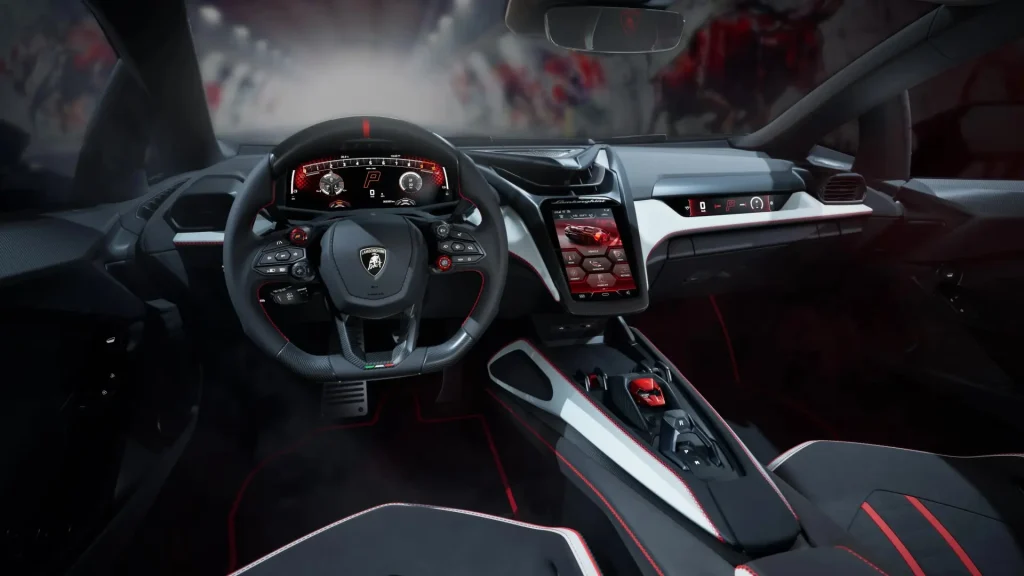
A Super Veloce is defined by its ability to dominate a racetrack, and Lamborghini’s Centro Stile alongside its aerodynamic department have radically reworked the Revuelto’s silhouette.
Every vent, duct, and blade on the SV serves a distinct aerodynamic purpose. Up front, a deeper carbon-fiber splitter and revised air curtains increase front-end downforce while channeling cool air directly to the massive carbon-ceramic brakes. Along the flanks, deeper side sills and enlarged nacelles feed cool air into the radiators and hybrid cooling systems.
The real drama, however, is at the rear. The Revuelto SV features an aggressive new fixed rear wing element working in tandem with active aero flaps and a colossal double-deck rear diffuser. This setup dramatically increases high-speed stability and downforce during hard braking and high-speed cornering.
Beneath the composite skin, the MagneRide adaptive suspension has been recalibrated with stiffer spring rates, anti-roll bars, and bespoke geometry designed to withstand the increased aerodynamic loads of sustained circuit use. The rear-wheel steering system and torque-vectoring logic have also been reprogrammed with unique track-specific algorithms.
The Sacred Bloodline: How Every Prior SV Earned Its Badge
To understand why the Revuelto SV marks such a dramatic shift, one must examine the lineage of the Super Veloce badge. Historically, an SV was born from a philosophy of mechanical purity, subtraction, and raw, unfiltered intimidation.
| Model | Debut Year | Historical SV Philosophy & Defining Trait |
| Miura SV | 1971 | Cured the Miura’s front-end lift, separated engine and gearbox lubrication, deleted iconic headlight eyelashes for cleaner mechanical purpose. |
| Diablo SV | 1995 | Stripped out the heavy all-wheel-drive “VT” system in favor of pure rear-wheel drive; focused on raw, manual driver involvement. |
| Murciélago LP 670-4 SV | 2009 | Aggressive 100 kg weight reduction, bare carbon-fiber cabin, massive fixed “Aeropack” wing, limited to just 186 units worldwide. |
| Aventador LP 750-4 SV | 2015 | Shaved 50 kg through carbon door skins and stripped insulation, introduced pushrod magnetic suspension, ferocious single-clutch shifts. |
For over fifty years, the recipe for a Super Veloce remained remarkably consistent: take the standard flagship, strip out sound deadening, ditch luxury amenities, stiffen the chassis to near-race levels, and let a larger, naturally aspirated engine breathe fire without the interference of unnecessary electronic complexity.
The “But…”: Silicon Over Starvation
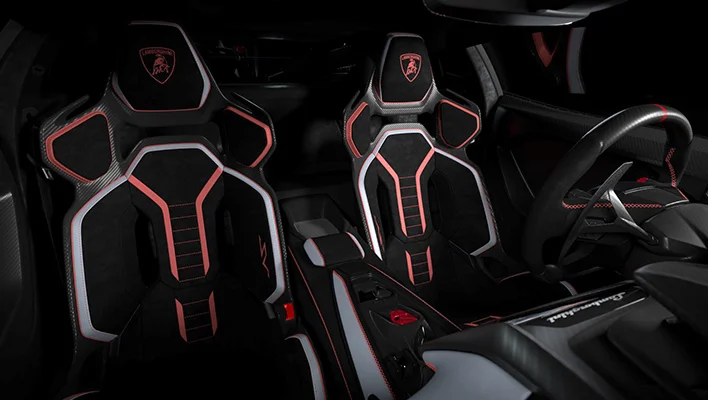
This is where the Revuelto SV diverges completely from every ancestor that wore the badge.
In the past, the journey to becoming an SV was an exercise in subtraction. Engineers dieted the car down, removing creature comforts, trimming insulation, and eliminating mechanical complexity—the Diablo SV famously tossed out the all-wheel-drive system specifically to shed pounds.
The Revuelto SV, by contrast, achieves its “Super Veloce” status not through mechanical starvation, but through technological accumulation and software supremacy.
Because the Revuelto platform is fundamentally tied to a 3.8 kWh lithium-ion battery and three electric motors, Lamborghini could not simply strip away the electrification without neutering the car’s performance. Instead of subtracting components, the engineers leaned even deeper into computation. The SV’s astonishing cornering ability and track pace are not merely the result of mechanical lightweighting; they are orchestrated by complex algorithms, instantaneous electric torque-vectoring on the front axle, and sophisticated energy management software.
Where a Murciélago SV felt like a raw, mechanical brute that demanded total physical wrestle from its driver, the Revuelto SV is a hyper-coordinated digital apex predator. It uses electric motors to artificially tuck the nose into corners, masks its substantial curb weight through microsecond torque adjustments, and deploys electric boost on corner exits.
Furthermore, the production philosophy has shifted. Previous SV models were notoriously scarce; only 186 Murciélago SVs left the factory, making them legendary unicorns. The Revuelto SV, while exclusive, is planned for a production run of 1,963 units worldwide—a symbolic tribute to the year Ferruccio Lamborghini founded the company in 1963, but a substantially larger production volume than any prior V12 SV flagship.
The Verdict
The Lamborghini Revuelto SV is a monumental engineering feat that pushes the boundaries of modern performance. It is violent, breathtakingly fast, and retains the unhinged V12 howl that makes a Lamborghini a Lamborghini.
However, it also signals the dawn of an entirely new era for the Super Veloce badge. This is no longer the stripped-out, spartan, terrifying analog weapon of the 1990s and 2000s. It is an SV defined by silicon, electric flux, and aerodynamic science. For purists who cherish the minimalist simplicity of past SVs, the Revuelto SV may feel like a departure from tradition. But for those looking at the stopwatch, it represents the ultimate evolution of speed in an electrified world.