
 Akmal Azhar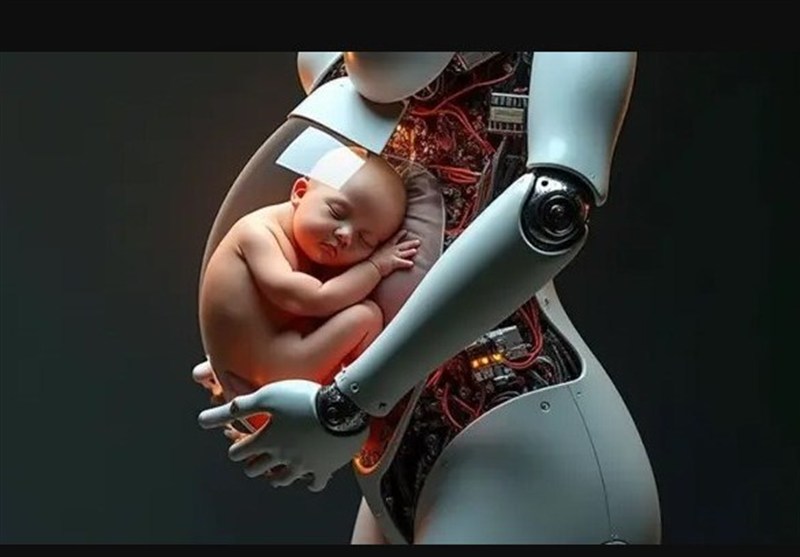
A New Era in Reproductive Technology
China has taken a bold step in reproductive science with the creation of a robot designed to simulate human pregnancy. The groundbreaking invention, developed by a team of researchers in artificial intelligence and biomedical engineering, has captured worldwide attention for its ability to replicate the complex process of gestation in a mechanical system. While not intended as a replacement for natural childbirth, the robot opens new possibilities for medical research, fertility studies, and advanced training for healthcare professionals.
How the Pregnancy Robot Works

The robot is engineered to mimic the biological conditions of the human womb. Using advanced sensors, synthetic tissues, and AI-driven monitoring systems, it can simulate the hormonal changes, embryonic development stages, and physical responses associated with pregnancy. This allows researchers to observe fetal growth in real time under controlled conditions, offering an unprecedented tool for understanding developmental biology without the ethical challenges of experimenting directly on humans.
Medical and Ethical Implications
One of the most significant applications of this technology lies in medicine. It could be used to study pregnancy complications such as preeclampsia, gestational diabetes, or premature labor, providing insights that may lead to improved treatments. It may also revolutionize fertility research, allowing scientists to test new methods and procedures in a safe, artificial environment. However, the innovation has also sparked debate about ethical boundaries. Critics warn that the line between simulation and artificial reproduction could become blurred, raising questions about the future of childbirth and the role of technology in human reproduction.
Global Reactions and Future Possibilities
The invention has drawn a mix of admiration and concern worldwide. Some see it as a revolutionary step that could transform medical science, while others caution against moving too quickly toward artificial life creation. If refined, such technology might one day assist families facing infertility challenges, or even pave the way for entirely new approaches to reproduction. For now, the robot serves as a research platform, a symbol of how far human innovation can go in replicating nature’s most delicate processes.


 Zakirin