 Zakirin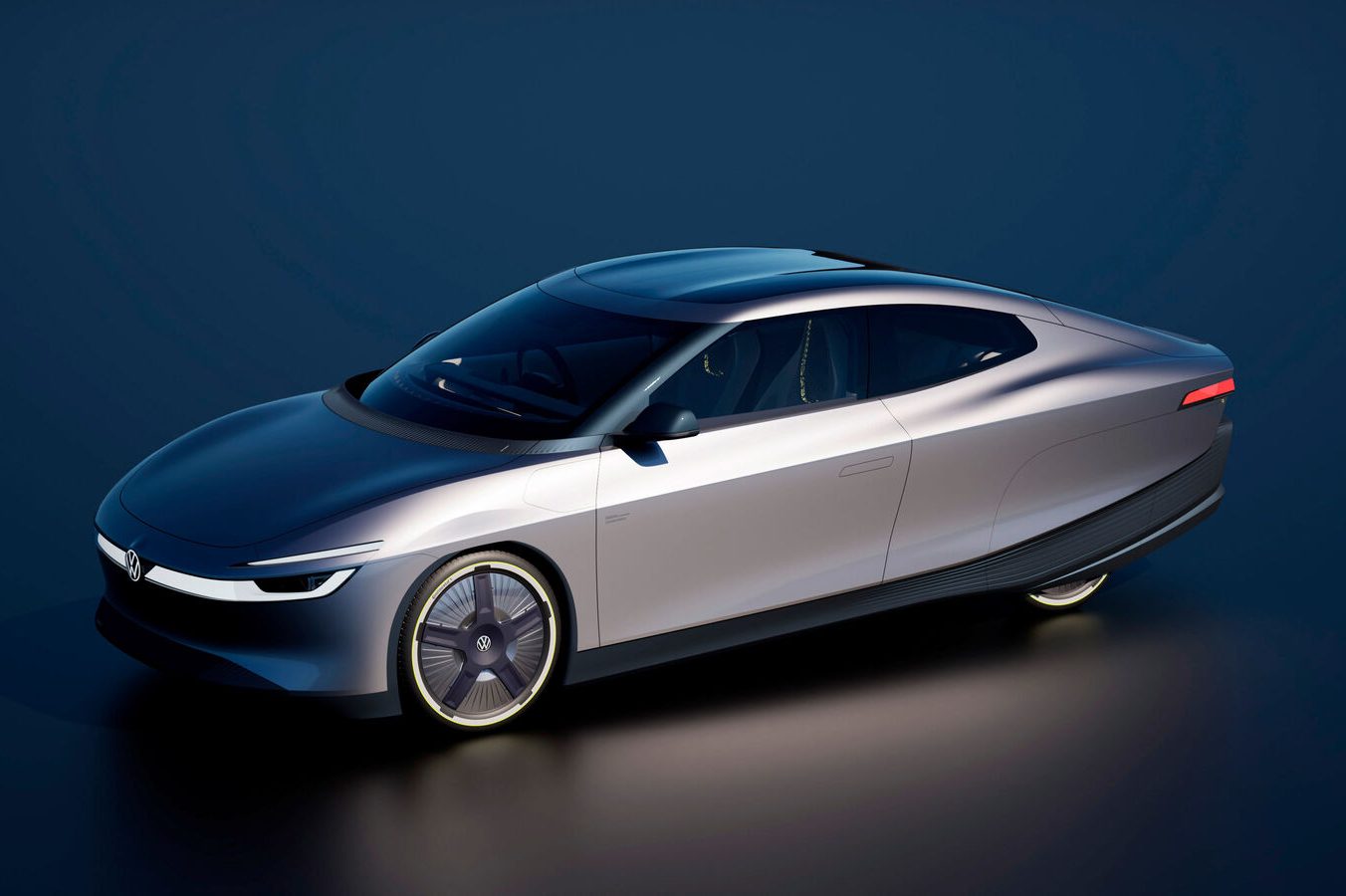
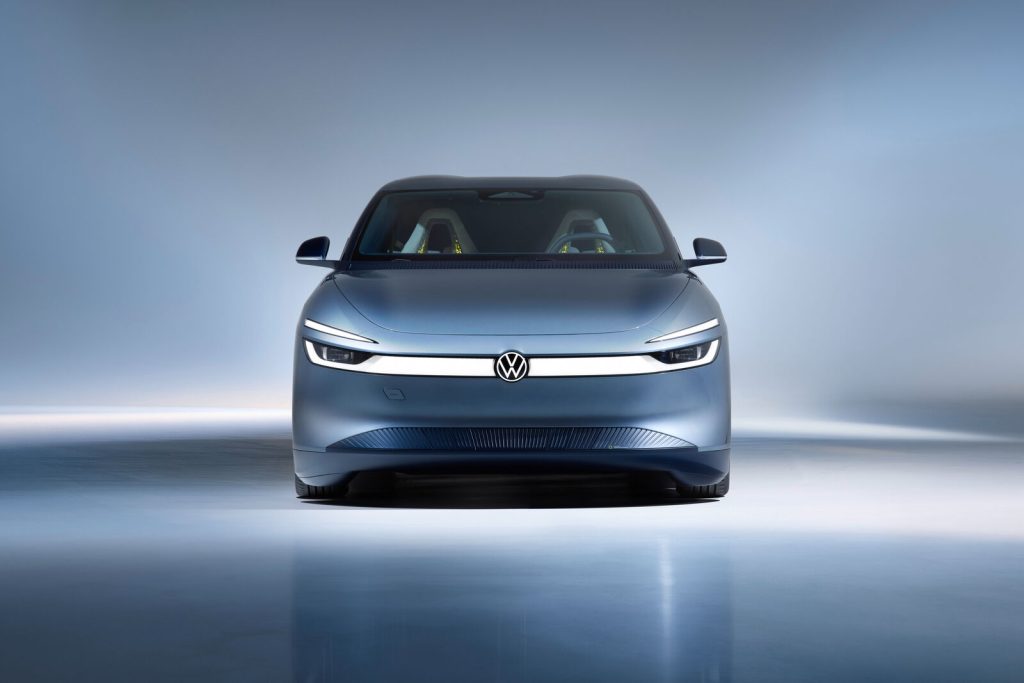
Volkswagen has unveiled the Mission Efficiency concept, a near-production electric vehicle that establishes new industry benchmarks for aerodynamic performance and energy consumption. Debuting in Vienna alongside the upcoming ID. Polo, the concept was designed to demonstrate the untapped potential of the brand’s MEB+ front-wheel-drive architecture. By achieving three officially documented world records—including the lowest drag coefficient for a road-legal vehicle and an average real-world consumption of 6.89 kWh per 100 kilometres—the vehicle illustrates how engineering refinements can drastically extend electric range without requiring larger, heavier battery packs. Rather than relying on bespoke, cost-prohibitive experimental components, the vehicle is built upon accessible mass-production technology, indicating a strategic shift toward highly efficient, mass-market electric mobility.
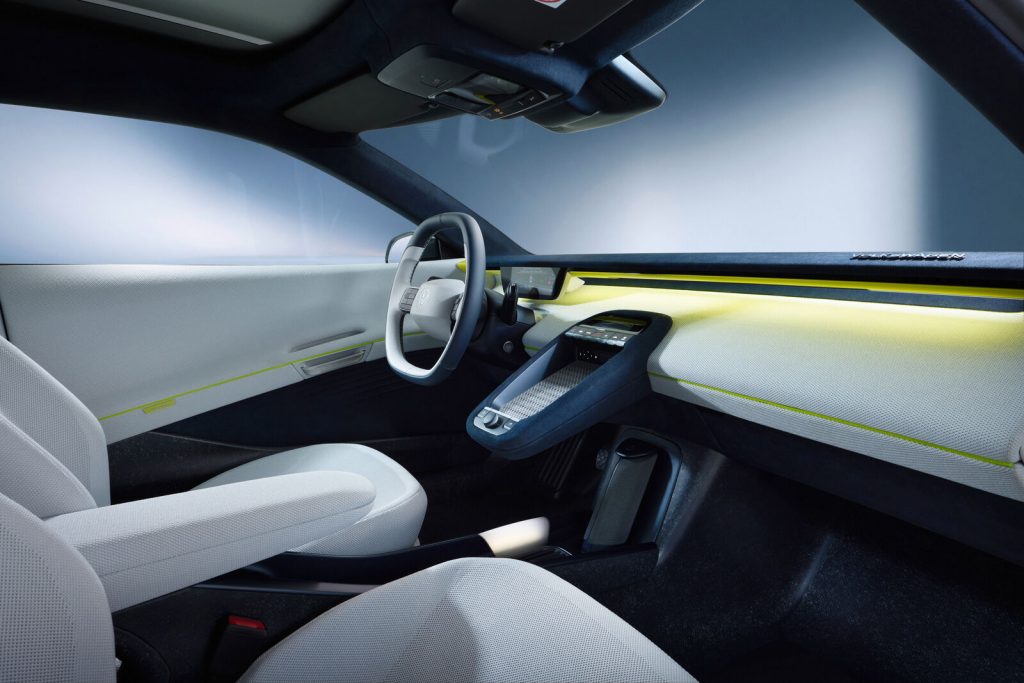
Key Points
- The Volkswagen Mission Efficiency concept achieved a world-record aerodynamic drag coefficient of 0.158, establishing a new benchmark for road-legal vehicles.
- During a 1,278-kilometre test drive across Europe, the vehicle recorded a real-world energy consumption of 6.89 kWh per 100 kilometres.
- The vehicle relies on existing MEB+ front-wheel-drive technology shared with the upcoming ID. Polo, signalling highly efficient production models aimed at the mass market.
Aerodynamic Innovations and Exterior Design
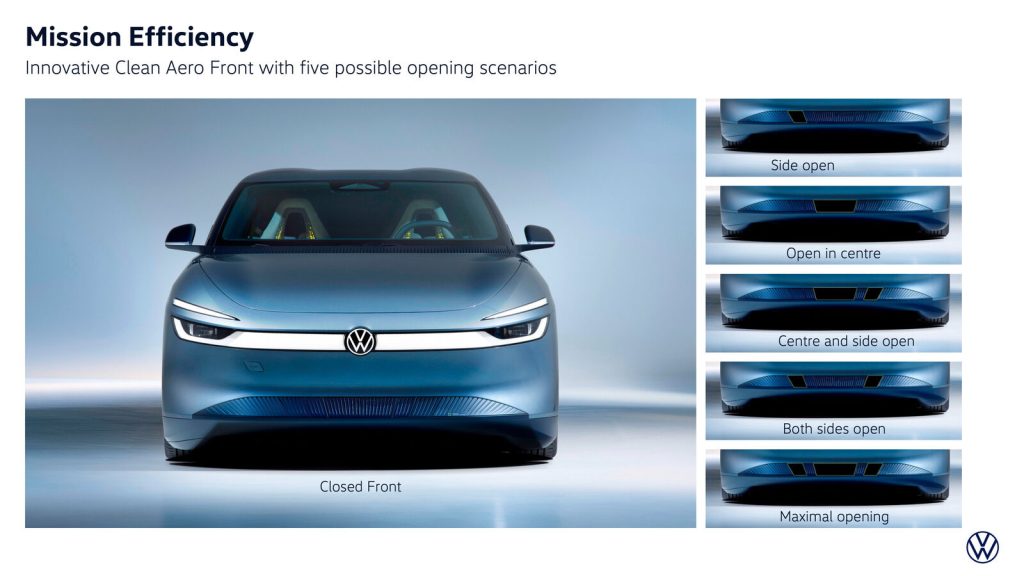
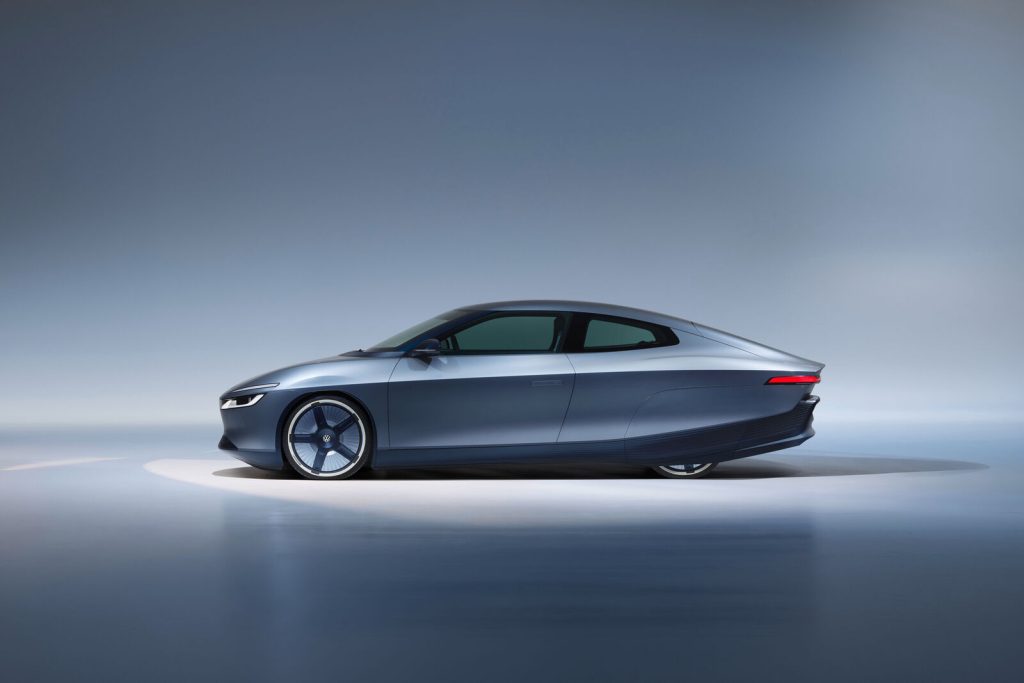
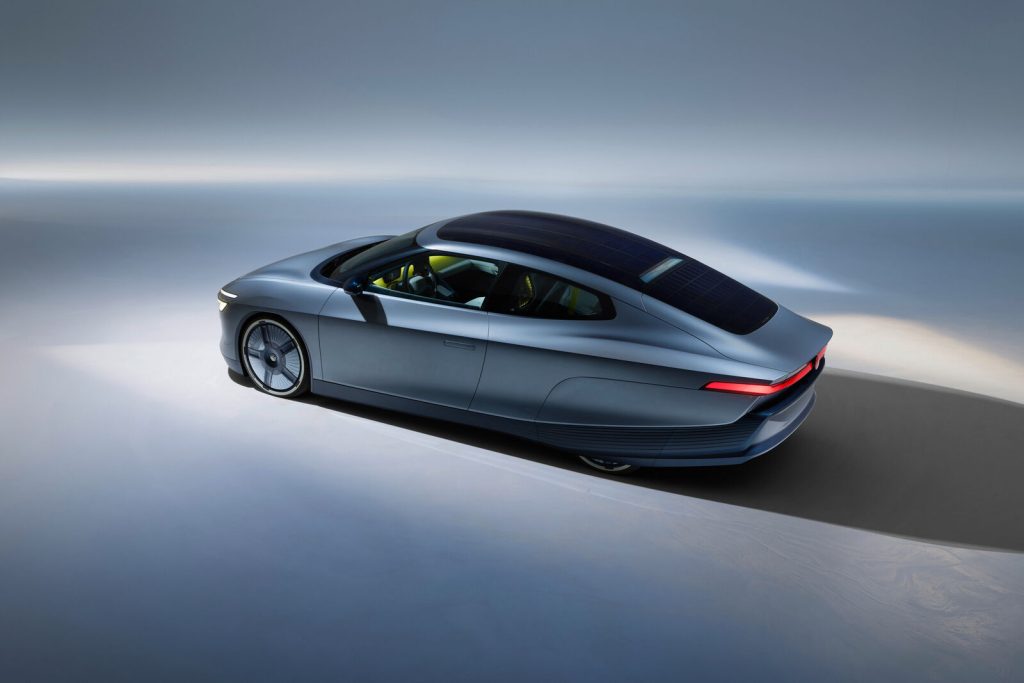
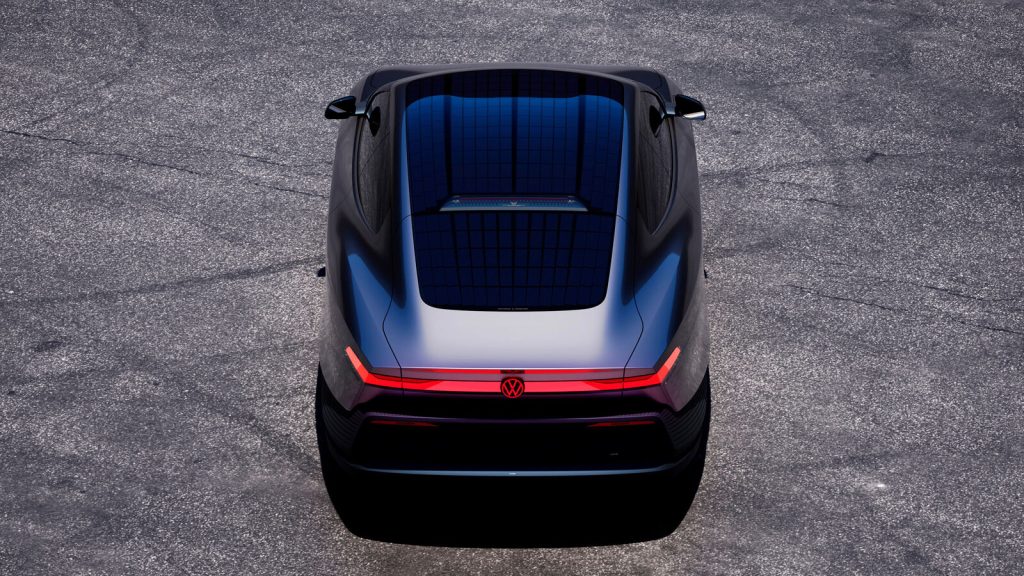
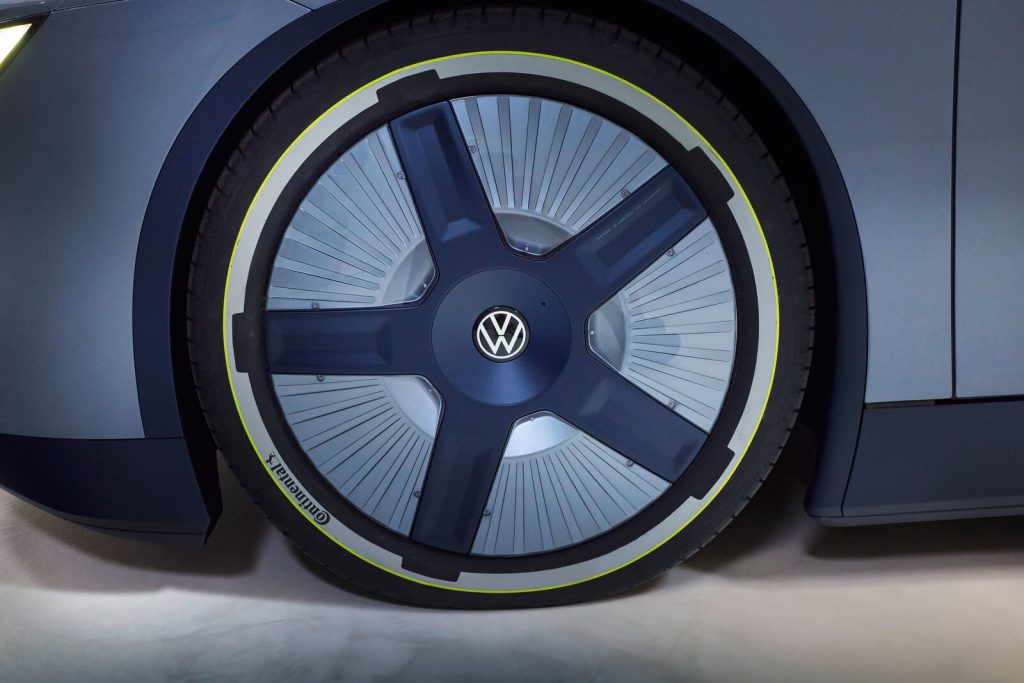
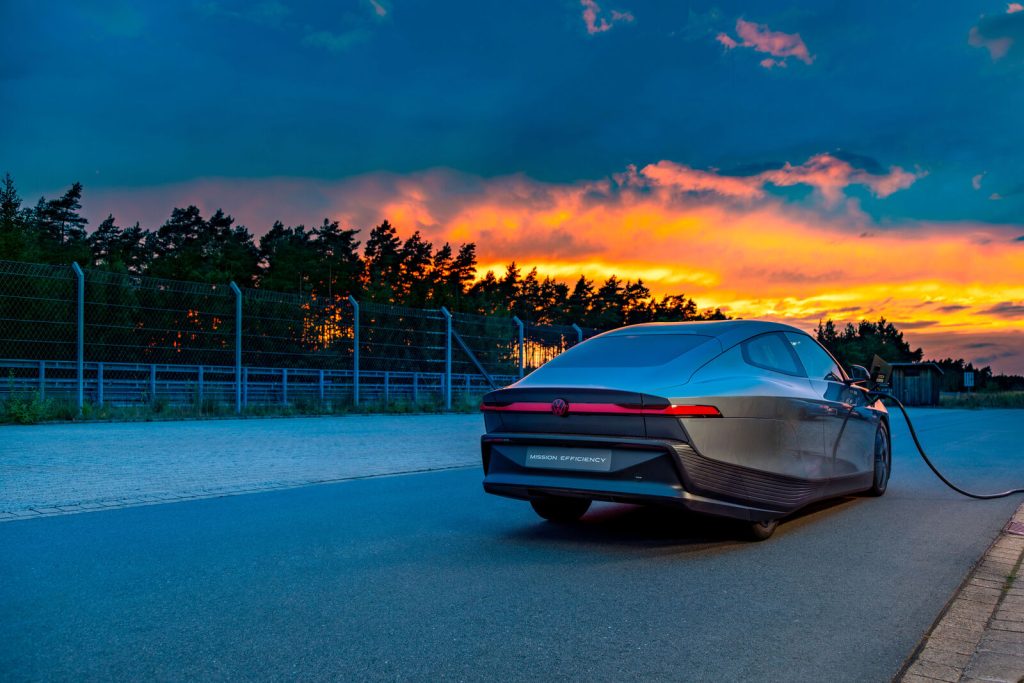
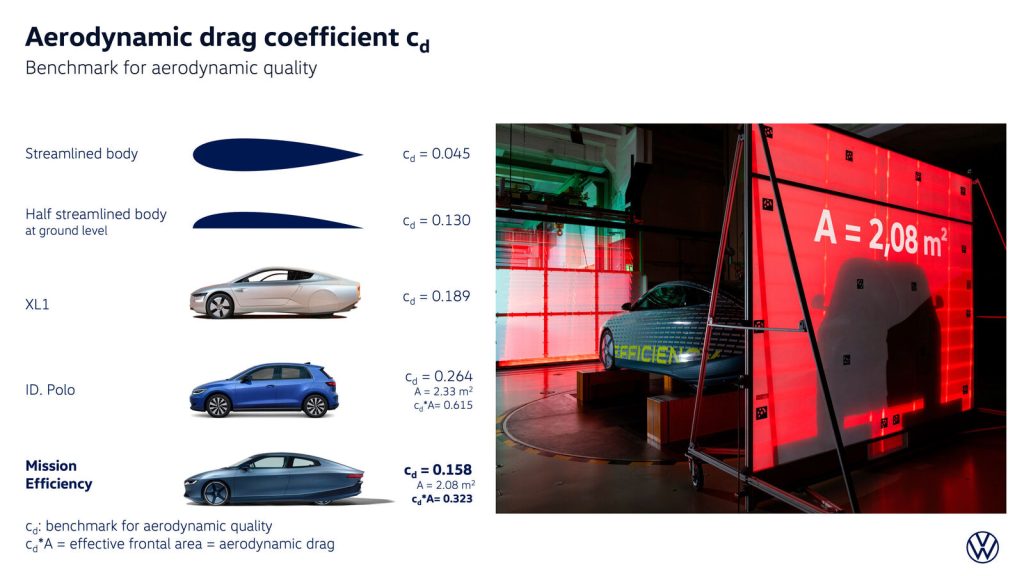
The core objective of the Mission Efficiency project was to minimise airflow resistance, resulting in a drag coefficient (Cd) of 0.158. This figure makes the concept the most aerodynamic vehicle currently approved for road use. Achieving this metric required extensive refinement of the vehicle’s teardrop-inspired silhouette and the integration of specialised exterior components. Volkswagen engineers implemented patented rim deflectors designed to manage turbulent air around the wheel arches, an area that typically generates significant aerodynamic drag. Additionally, a solar roof panel was integrated to supply power to the low-voltage electrical system, reducing the parasitic load on the primary high-voltage traction battery.
In regions with hot and humid climates such as Malaysia, where intensive air conditioning usage is a necessity, reducing the aerodynamic load at highway speeds is a highly relevant engineering focus. By minimising the energy required to overcome wind resistance on routes like the North-South Expressway (PLUS), a larger proportion of the battery’s capacity can be allocated to climate control without heavily penalising the vehicle’s driving range. This aerodynamic emphasis demonstrates how future electric vehicles can maintain efficiency even when operating auxiliary systems under demanding local weather conditions.
The exterior design also incorporates sustainable material choices, particularly through the use of recycled plastics and composites. Instead of utilising expensive, lightweight materials such as carbon fibre, the development team opted for intelligent shaping and advanced composites that are viable for mass production. This approach indicates that structural and aerodynamic efficiency can be achieved using manufacturing methods that keep final vehicle costs within reach of mainstream consumers.
Powertrain Specifications and Efficiency Metrics
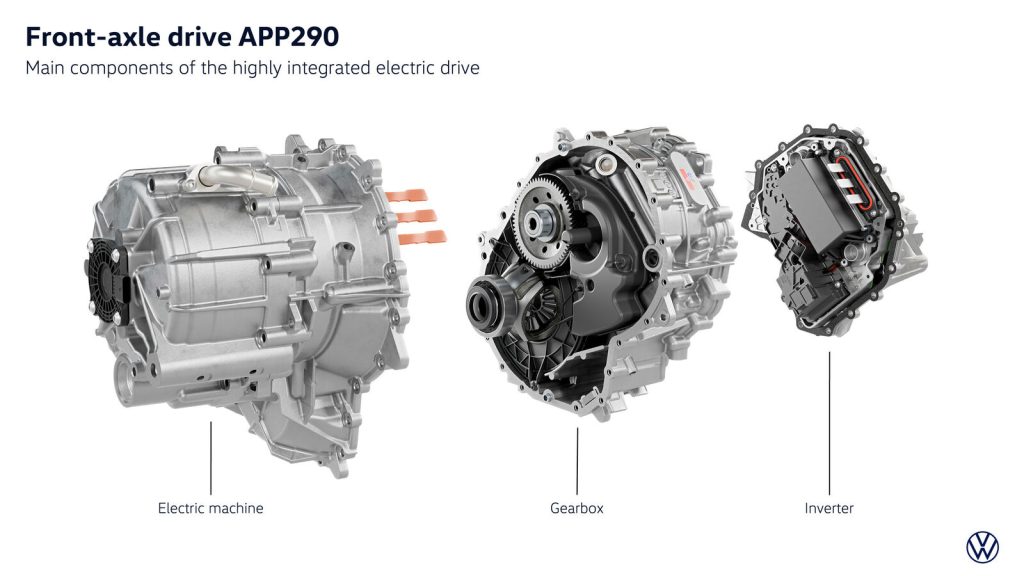
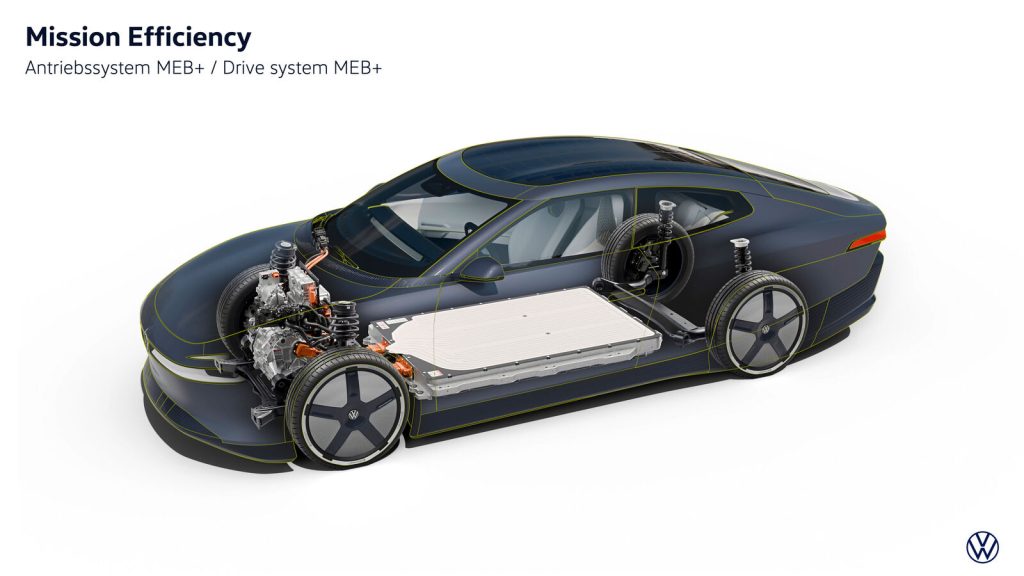
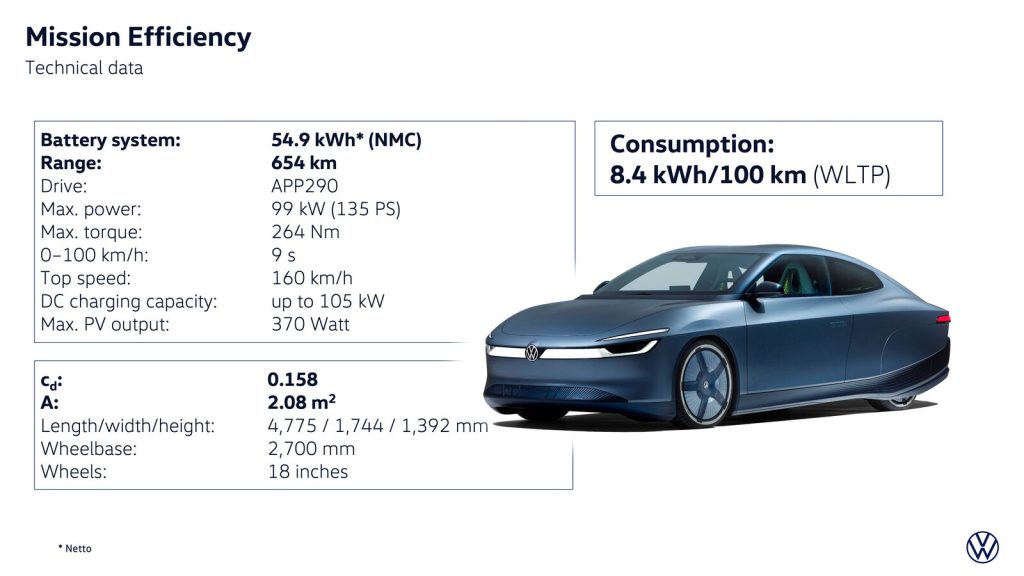
The Mission Efficiency concept utilises the standard MEB+ front-wheel-drive platform, relying on components that will soon enter large-scale production. It is powered by a 99 kW (135 PS) electric drive motor paired with a 54.9 kWh (net) battery pack. This battery is a software-adapted iteration of Volkswagen’s standard 52.0 kWh unit, modified to unlock additional usable capacity for the record attempt while retaining the standard cell chemistry intended for public sale.
The powertrain’s capabilities were documented during a 1,278.36-kilometre test drive that commenced at Volkswagen’s Research & Development Centre in Wolfsburg, Germany, passing through Poznań and Olomouc before concluding in Vienna. The following table details the powertrain specifications and efficiency metrics recorded during this cross-border journey:
| Specification / Metric | Data |
| Electric Motor Output | 99 kW (135 PS) |
| Battery Capacity (Net) | 54.9 kWh (Software adapted from 52.0 kWh) |
| Total Route Distance | 1,278.36 kilometres |
| Average Driving Speed | 67.72 km/h |
| Maximum Speed Recorded | 138 km/h |
| Energy Consumption | 6.89 kWh / 100 km (excluding charge losses) |
| Remaining Range at Destination | 164.0 kilometres |
This journey was completed with only a single charging stop, a notable technical outcome for a battery of this capacity. Under controlled conditions—maintaining a constant speed of 68 km/h on flat terrain with auxiliary systems deactivated—the vehicle recorded a consumption rate of 6.48 kWh per 100 kilometres. The aerodynamic benefits were most apparent at higher velocities; at speeds exceeding 80 km/h, the Mission Efficiency demonstrated a consumption advantage of more than 30 percent compared to the standard production ID. Polo.
Practicality and Interior Space Utilisation
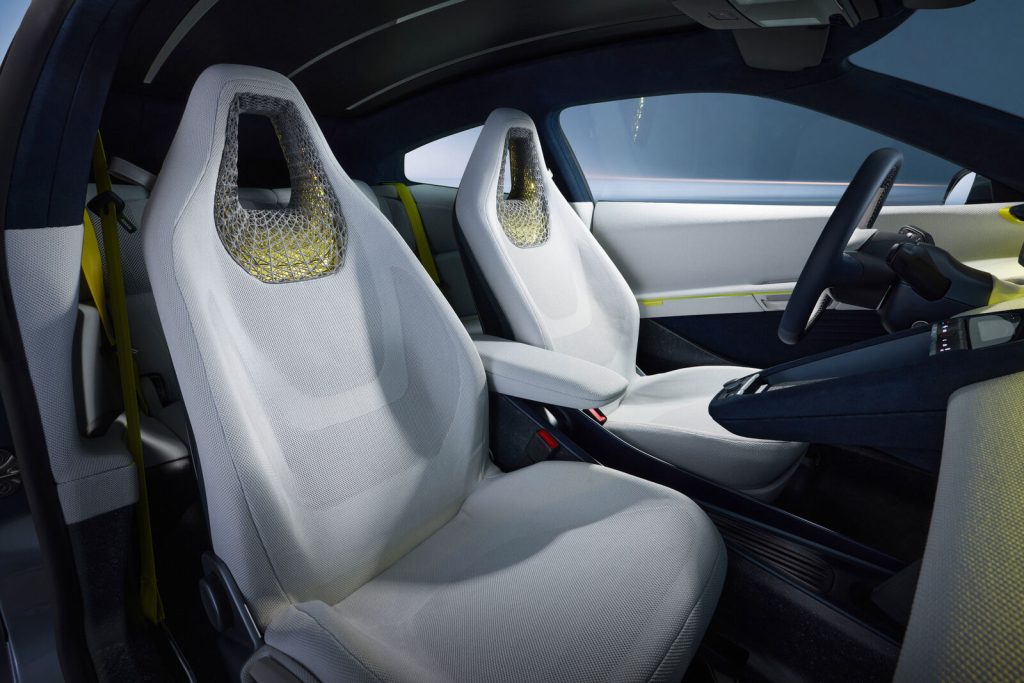
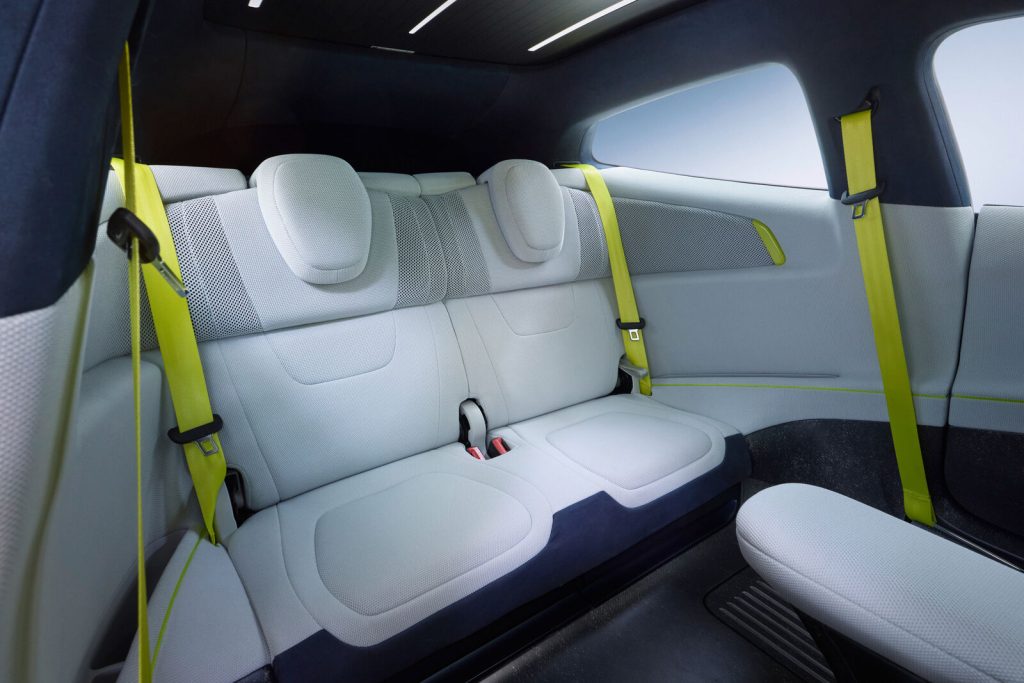
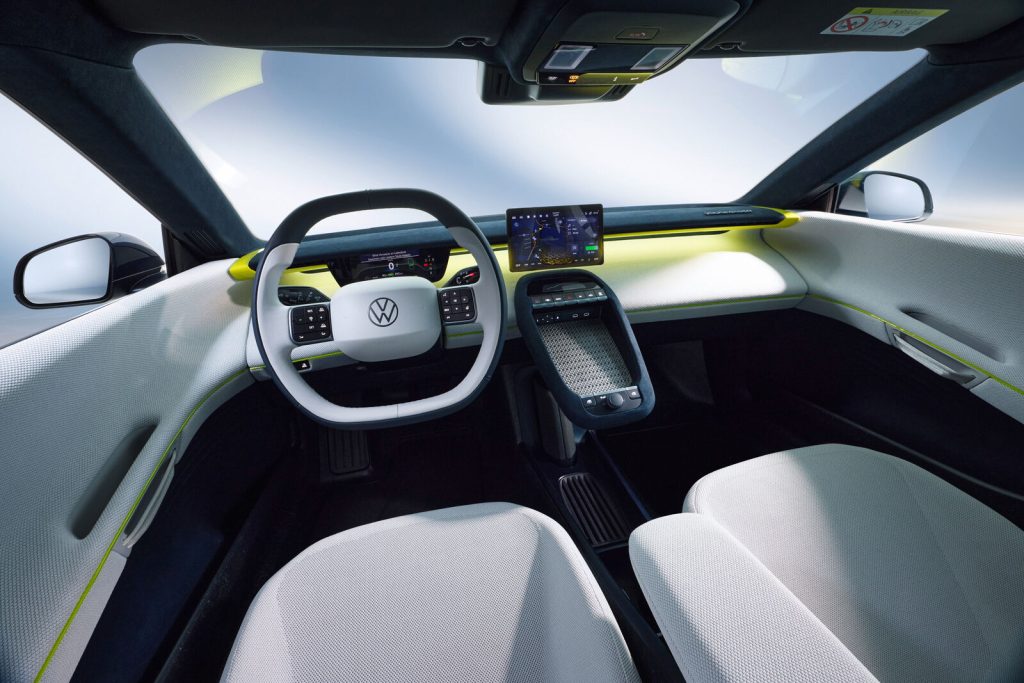
Vehicles engineered primarily for aerodynamic efficiency often compromise interior volume by narrowing the frontal area and lowering the roofline. The Mission Efficiency, however, was developed to function as a practical, near-production car suitable for daily use. It employs a 2+2 seating configuration, offering standard accommodation for the driver and front passenger alongside occasional seating for two rear occupants.
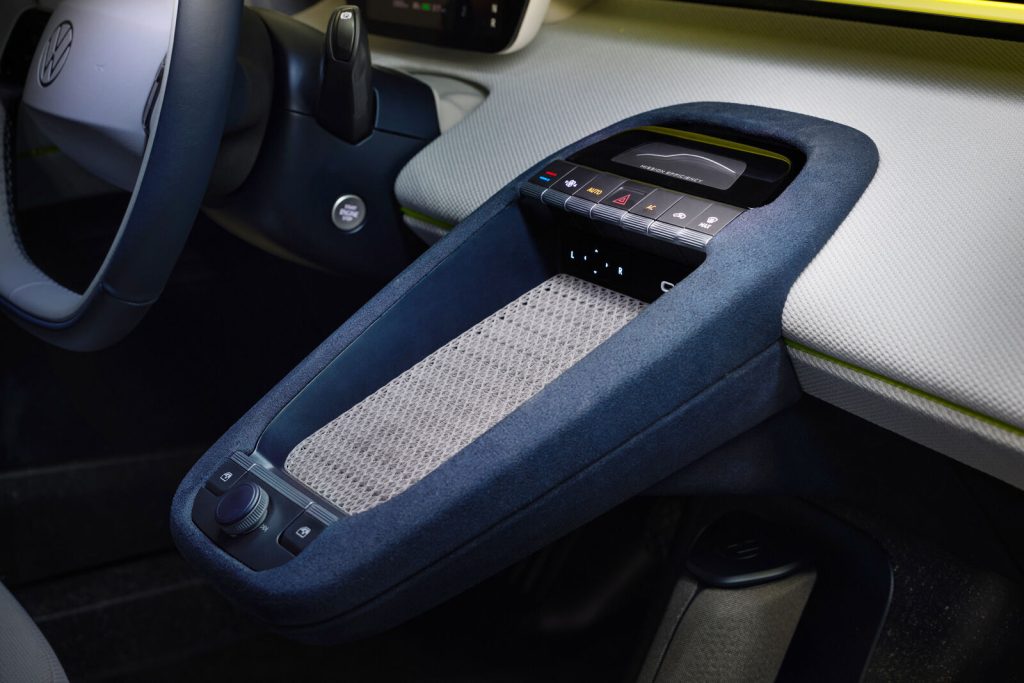
Despite its tapered rear profile, the vehicle retains a luggage compartment capacity of 481 litres. This boot space is comparable to or larger than many internal combustion engine hatchbacks currently sold in Malaysia, ensuring that the vehicle can handle everyday tasks, grocery transport, or interstate travel. The cabin also reflects a shift toward sustainable automotive manufacturing, incorporating recycled materials throughout the upholstery and interior trim panels.
This interior layout suggests that upcoming efficiency-focused models will not require consumers to adapt to constrained cabin spaces. By maintaining a footprint similar to a conventional B-segment hatchback, the vehicle remains practical for navigating congested urban environments such as the Klang Valley, while still offering the cargo flexibility expected by the modern automotive market.
Market Implications and Future Pricing
The engineering demonstrated by the Mission Efficiency serves as a direct preview for upcoming mass-market models like the ID. Polo and ID. Cross, which share the same underlying MEB+ architecture. For the Malaysian market, the introduction of these smaller, highly efficient electric vehicles could alter the competitive landscape, which is presently heavily populated by Chinese automotive brands. Industry analysts speculate that if Volkswagen can import or locally assemble these MEB+ models while capitalising on current local electric vehicle tax incentives, retail pricing could fall within the RM115,000 to RM135,000 range.
If this pricing structure materialises, the production derivatives would compete directly against established local market entries such as the BYD Dolphin and the GWM Ora Good Cat. Volkswagen’s primary differentiator in this segment would be the high degree of electrical efficiency validated by this concept. Lower energy consumption allows for the use of smaller, lighter batteries to achieve a comparable driving range, which reduces both manufacturing costs and the vehicle’s overall carbon footprint.
Additionally, an energy consumption rate approaching 7.0 kWh per 100 kilometres would optimise the use of Malaysia’s expanding public charging infrastructure. Drivers accessing DC fast chargers from local providers like Gentari, ChargEV, or JomCharge would require less time and financial expenditure to replenish their vehicle’s range. The technologies tested in the Mission Efficiency project outline how legacy automakers are utilising aerodynamic design and existing platforms to deliver accessible electric mobility to the consumer market.