 Akmal Azhar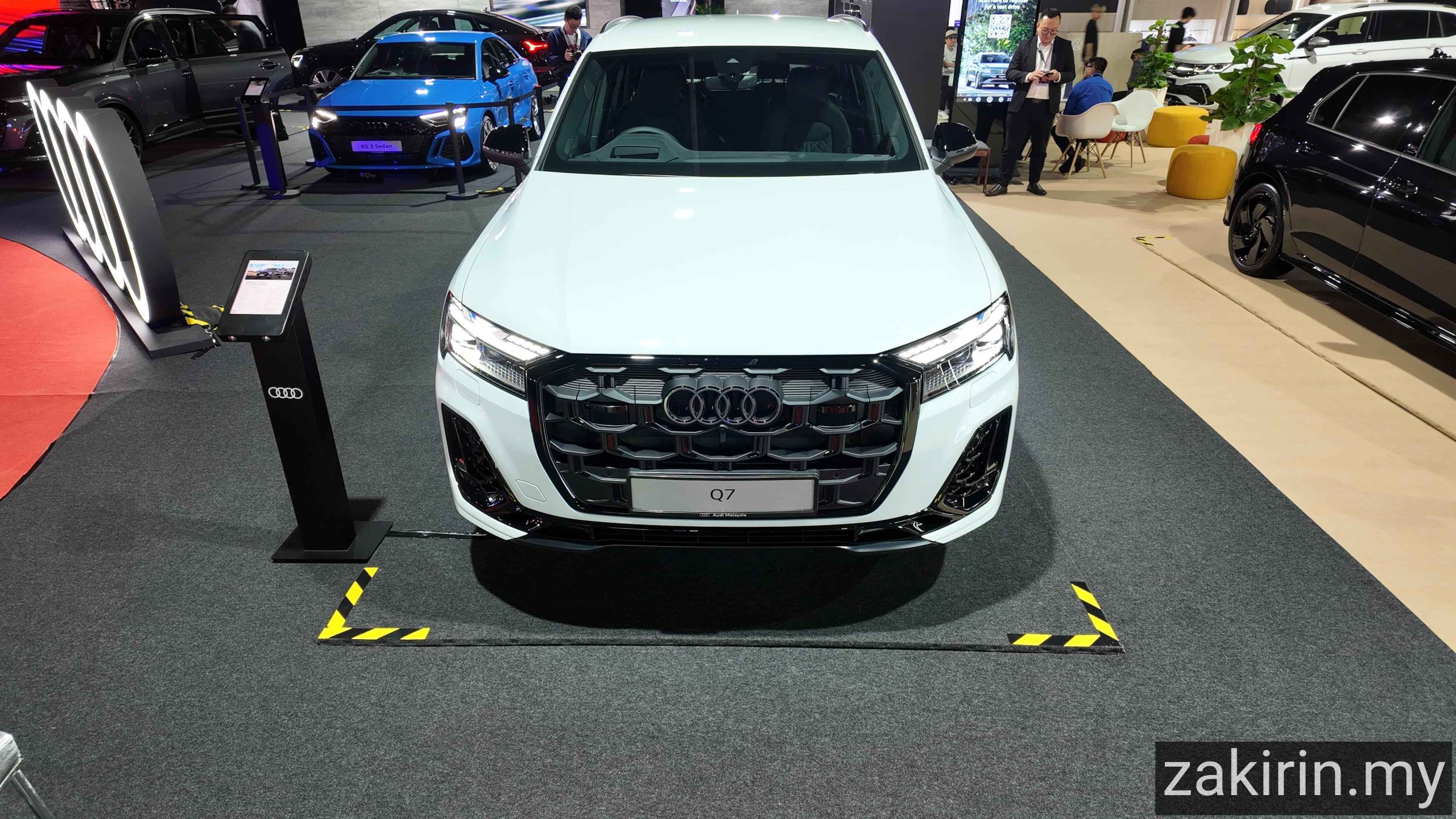
Design and Presence

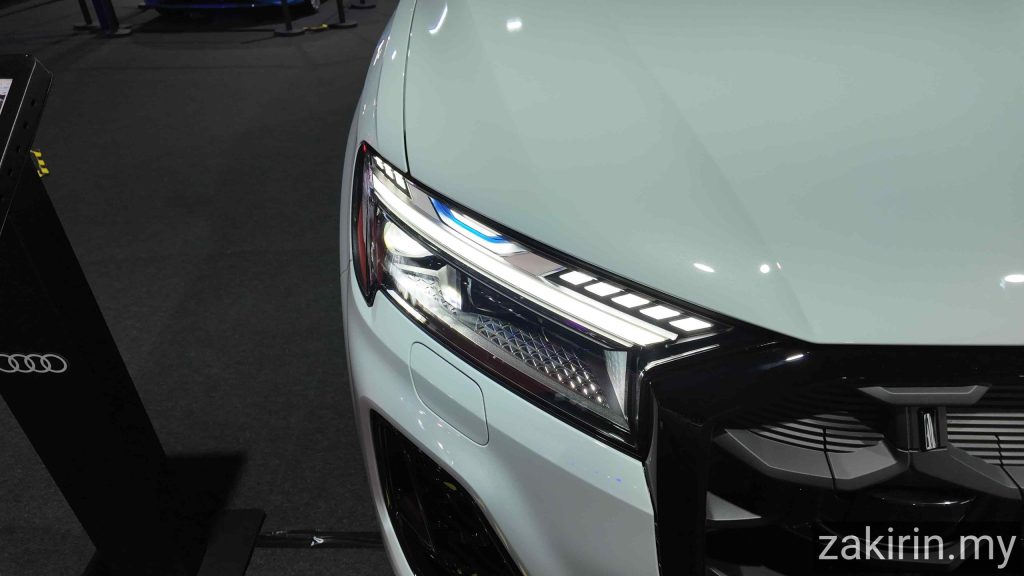
At first glance, the Audi Q7 S line presents itself with a bold, athletic stance. The S line trim distinguishes itself from the standard Q7 with sportier design elements: larger 20-inch wheels, a more aggressive front grille, distinct air intakes, and a refined rear diffuser that hints at its performance-oriented personality. The styling is subtle yet confident, clearly targeted at the driver who wants sophistication without overt ostentation.
Performance and Powertrain
Under the hood, the Q7 S line continues to impress. It typically comes equipped with a 3.0-liter V6 turbocharged engine paired with a 48-volt mild hybrid system. This setup delivers an output of around 335 horsepower, providing the SUV with both punchy acceleration and commendable fuel efficiency for its class.
The mild hybrid system not only improves performance but also signals Audi’s incremental steps toward greener mobility—though it falls short of a full electric transition.
Interior Craftsmanship and Technology

Inside, the cabin of the Q7 S line is where Audi’s craftsmanship truly shines. The interior features premium leather upholstery, brushed aluminum inlays, and the signature Virtual Cockpit digital display.

The dual touchscreen MMI infotainment system offers crisp visuals and intuitive navigation, while ambient lighting sets the tone for both city commutes and long road journeys. The Q7 S line doesn’t merely transport its occupants; it cocoons them in an environment that feels as much like a business class lounge as it does a family SUV.
Driving Experience

What makes the Q7 S line particularly compelling is its dynamic driving experience. The adaptive air suspension and quattro all-wheel drive system offer a blend of comfort and control, making it equally adept on winding mountain roads or slick urban streets.

The steering is responsive, the ride is quiet, and the transmission glides seamlessly through gears, allowing the driver to almost forget the vehicle’s considerable size. In essence, it delivers on the promise of a performance luxury SUV.
Environmental and Political Context
Yet, beneath the surface of this polished product lies a narrative shaped by broader political and economic forces. The luxury automotive segment, once defined almost exclusively by power and prestige, is now increasingly influenced by regulatory pressures, climate policy, and shifting consumer values.
In Europe, where Audi is headquartered, the push for carbon neutrality and tighter emissions standards has forced traditional automakers to adapt or face obsolescence. The Q7 S line, with its hybrid assist, sits in a transitional space—one foot in the era of combustion, the other cautiously stepping toward electric mobility.
Public Policy and Corporate Strategy
This transitional identity is politically significant. Governments across Europe and North America are offering incentives for electric vehicle adoption, while at the same time imposing penalties or limitations on higher-emission vehicles.
For brands like Audi, whose image relies heavily on performance and driving pleasure, the challenge is maintaining their identity while responding to public policy. The Q7 S line reflects this balance: it maintains its muscular heritage while hinting at a cleaner future, without fully committing to electrification—perhaps due to infrastructure lag or market hesitancy.
Economic Class and Accessibility
From an economic viewpoint, the Q7 S line sits at a high price point, appealing to upper-middle-class and wealthy consumers. It’s a symbol of financial success, yet it also raises questions about inequality and access in a world increasingly concerned with sustainable development.
Luxury vehicles have long walked this fine line: admired for innovation, but often critiqued for being environmentally and socially exclusive. The political implication here is that while brands like Audi are making strides toward greener tech, such advancements remain largely out of reach for average consumers, thus widening the accessibility gap in clean transportation.
Audi’s Electrification Roadmap

Interestingly, Audi has announced ambitious electrification goals for the near future, aiming to phase out internal combustion engine production by 2033. The Q7 S line, as a flagship SUV, represents one of the final expressions of that legacy.
It’s the epitome of what a high-performance combustion vehicle can achieve before the curtain closes on the petrol era. This lends the vehicle a kind of historical gravitas—it is, in a way, a swan song for traditional engineering excellence.
Social Perception and Brand Messaging
But even as the Q7 S line looks backward with pride, it looks forward with caution. The vehicle’s hybrid system and emphasis on efficiency are not merely technical updates; they are strategic responses to mounting public and governmental scrutiny.
Consumers today are more aware than ever of climate change, fossil fuel dependency, and the need for corporate accountability. For Audi, and the Q7 S line in particular, this means walking a tightrope: deliver power and prestige without appearing environmentally indifferent.
Conclusion: A Car for a Transitional Era
In conclusion, the Audi Q7 S line is far more than a luxurious, high-performance SUV. It is a vehicle that encapsulates the broader contradictions of our era: the desire for luxury amidst a call for austerity, the pursuit of power in a world that demands restraint, and the need for progress in a society still clinging to tradition.
Audi’s Q7 S line may not be the final answer to the environmental and political dilemmas facing the automotive industry, but it is a thoughtful, well-executed response. For now, it offers the best of both worlds—while hinting that those worlds are inevitably, and rapidly, changing.

 Zakirin