 Zakirin
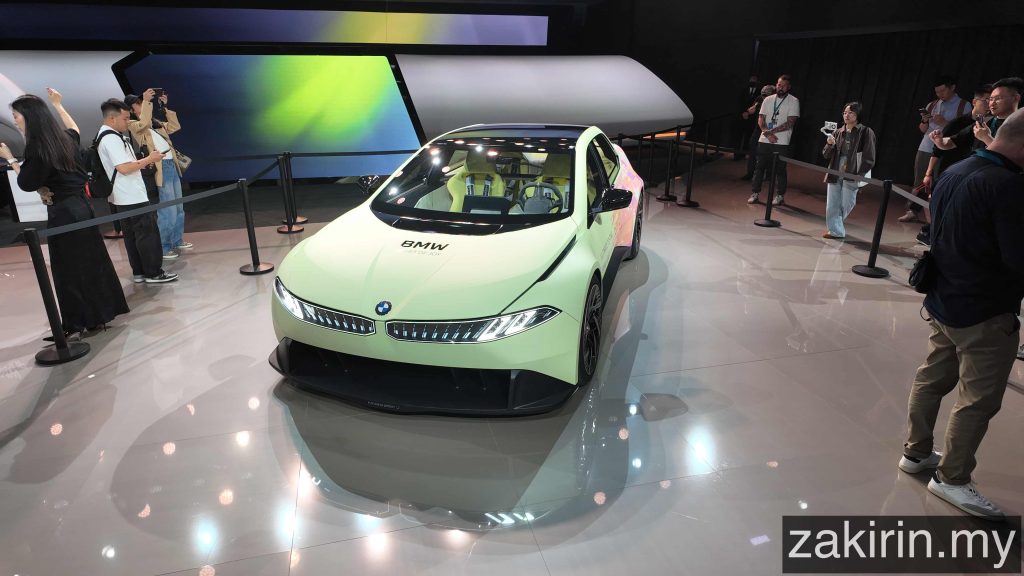
Shanghai, China – In a dazzling showcase of innovation, BMW Group has taken center stage at the 2025 Shanghai Auto Show with the global debut of its visionary VDX Concept, codenamed “Heart of Joy.” This bold reimagining of automotive design and technology not only underscores BMW’s commitment to electrification and sustainability but also heralds a new era of emotional connectivity between driver and machine. Combining avant-garde aesthetics with cutting-edge engineering, the VDX Concept promises to transform the driving experience into a symphony of intuition, performance, and joy.
A Design Philosophy Born from Emotion
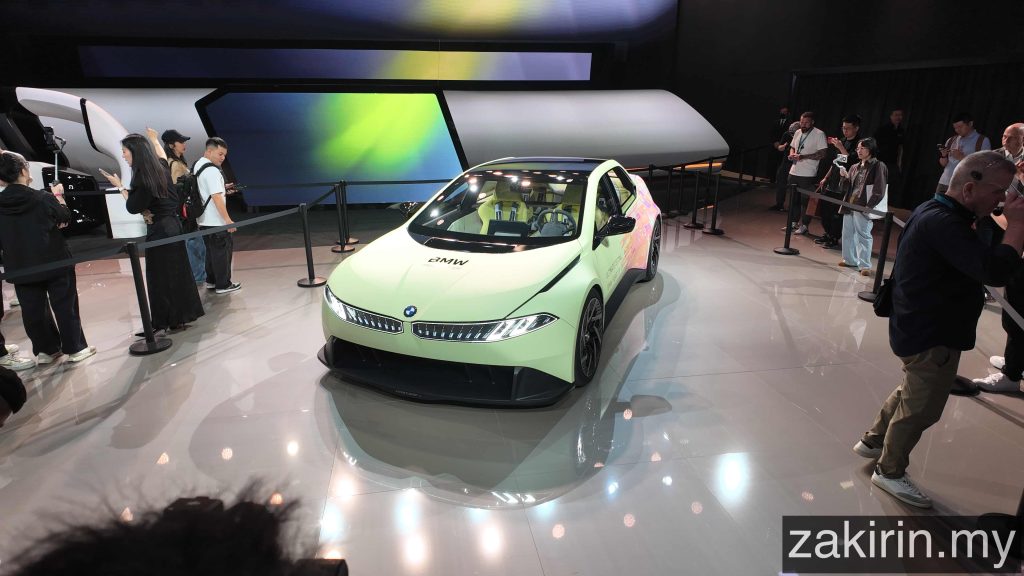
The VDX Concept’s exterior is a masterclass in fluid dynamics and sculptural artistry. Drawing inspiration from the rhythmic elegance of natural landscapes and the pulsating energy of urban megacities, BMW’s designers have crafted a silhouette that balances aggression with grace. The low-slung roofline flows seamlessly into muscular wheel arches, while laser-etched lighting elements—featuring next-gen OLED panels—create an ethereal glow that shifts hues based on driving mode. The signature kidney grille, now a dynamic 3D matrix capable of morphing shapes, serves as both a functional airflow optimizer and a digital canvas for interactive displays.
Inside, the cabin transcends traditional automotive interiors, evoking the ambiance of a futuristic lounge. Sustainable materials dominate, with vegan leather upholstery derived from mushroom mycelium and recycled ocean plastics molded into sleek trims. The centerpiece is the “JoySphere” interface—a holographic control cluster that uses AI to adapt its layout to the driver’s preferences, projecting vital data onto a floating glass pane. BMW’s designers describe the cockpit as a “sanctuary of sensory engagement,” where ambient soundscapes, adaptive scent diffusion, and ergonomic “zero-gravity” seats work in harmony to heighten the driver’s emotional state.
Technology That Breathes with You
At the core of the VDX Concept lies BMW’s groundbreaking E-Motive AI Platform, a self-learning neural network that integrates vehicle dynamics, environmental data, and biometric feedback to create a uniquely personalized drive. The system monitors the driver’s heart rate, eye movement, and even cortisol levels via embedded sensors in the steering wheel, adjusting everything from throttle response to cabin lighting in real time. “The car doesn’t just respond to commands—it anticipates desires,” explains Dr. Lena Fischer, BMW’s Head of AI Development. “If it senses excitement, it might tighten the suspension for spirited cornering; if it detects fatigue, it could soften the ride and play calming melodies.”
The VDX also debuts BMW’s QuantumLink Connectivity, a 6G-powered system enabling near-instant communication with smart city infrastructure, other vehicles, and BMW’s global cloud. This allows the car to preemptively navigate around traffic bottlenecks, optimize charging stops during long trips, and even reserve parking slots autonomously. Meanwhile, the Vision Autonomy Suite offers Level 4 self-driving capabilities, with a retractable steering wheel that tucks into the dashboard during autonomous mode, transforming the cabin into a mobile theater or workspace.

Performance Meets Sustainability
Underpinning the VDX Concept is BMW’s next-generation E-Kluster Architecture, a modular EV platform engineered for hyper-efficiency and agility. Quad electric motors—one at each wheel—deliver a combined output of 1,100 horsepower, catapulting the car from 0-60 mph in a blistering 2.8 seconds. The 120 kWh solid-state battery, developed in partnership with Solid Power, boasts a 450-mile range and can recharge to 80% in under 12 minutes using 350 kW ultra-rapid chargers.
But it’s not just raw power that defines the VDX. BMW’s engineers have prioritized a “holistic” driving feel, integrating Active Emotion Sound technology that amplifies the electric powertrain’s acoustics into a customizable soundtrack—ranging from futuristic hums to simulated V8 growls. The vehicle’s regenerative braking system also harvests kinetic energy with unprecedented efficiency, while solar-reactive glass panels on the roof contribute auxiliary power.
A Vision Rooted in Legacy, Eyes on Tomorrow
The Shanghai debut was more than a product launch—it was a statement of intent. “The ‘Heart of Joy’ isn’t just a concept car; it’s a manifesto,” declared BMW Group CEO Oliver Zipse during his keynote. “For over a century, BMW has built machines that stir the soul. As we transition to electrification, we refuse to let driving emotion become a relic. The VDX proves sustainability and exhilaration can coexist.”
Industry analysts note the VDX’s strategic timing, aligning with China’s aggressive push toward EV adoption and smart mobility. With Shanghai serving as BMW’s second home market, the concept’s AI-driven features and luxury-focused ethos cater directly to the region’s tech-savvy, premium consumers. Though production plans remain unconfirmed, insiders suggest key elements of the VDX—particularly its E-Kluster platform and E-Motive AI—will influence BMW’s Neue Klasse models arriving post-2026.
The Road Ahead
As the auto show crowds dissipate, the VDX Concept leaves a lingering question: What does joy mean in the age of autonomy? BMW’s answer is clear—it’s not about surrendering control, but about deepening the dialogue between human and machine. Whether through a spine-tingling acceleration burst or a serene, self-driven commute, the “Heart of Joy” aims to make every journey unforgettable.
For now, the concept remains a tantalizing glimpse into BMW’s blueprint for 2030 and beyond. Yet, if history is any guide, the future it envisions may arrive sooner than we think.