 Zakirin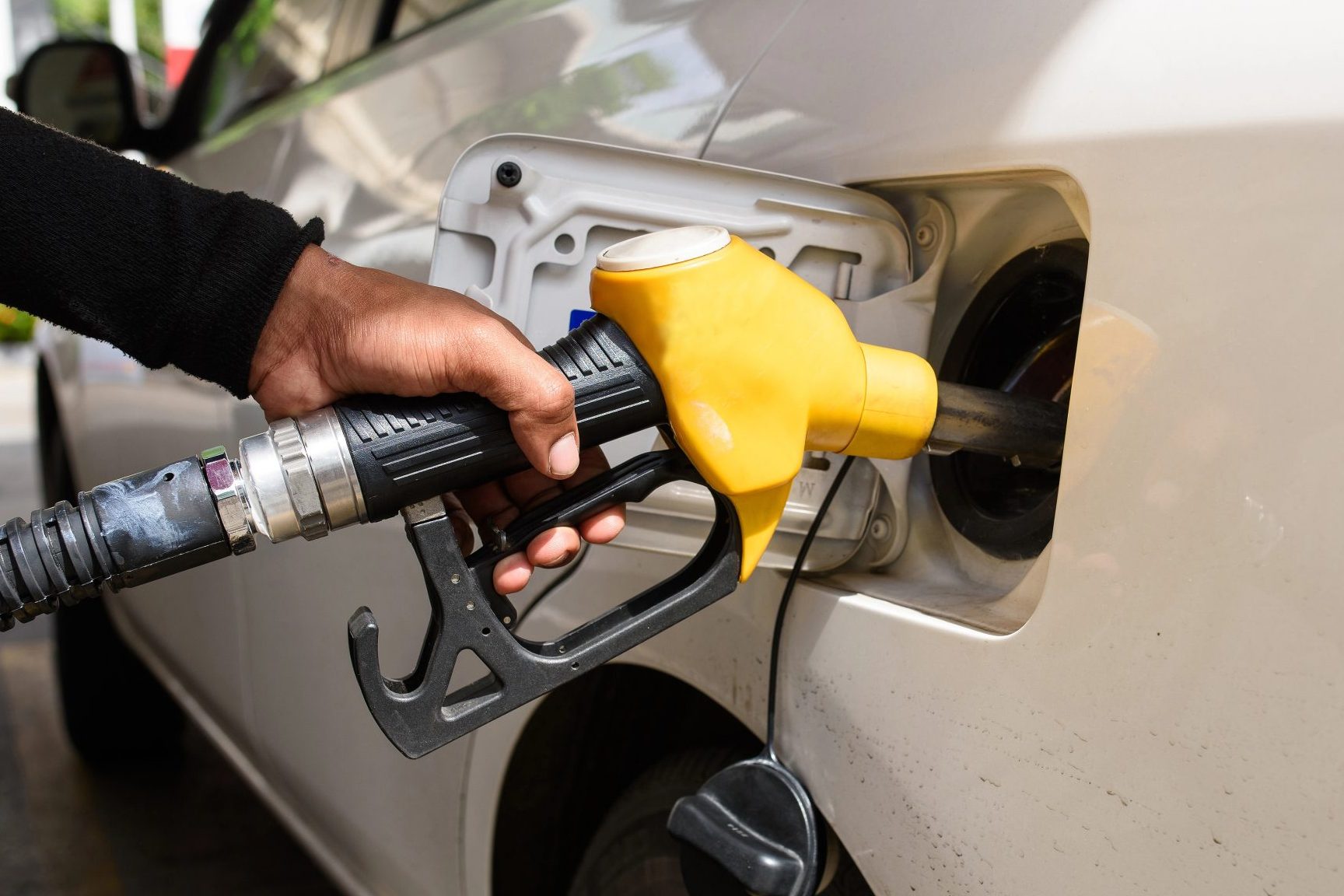
The implementation of the Budi Madani RON 95 (Budi95) subsidy cap earlier this year marked a paradigm shift in Malaysia’s approach to fiscal responsibility. Capped at 200 liters per month since April, the restriction was a calculated move to plug financial leaks and manage the country’s ballooning subsidy bill. However, as the economic landscape continues to evolve, new voices are calling for a more adaptable approach.
A recent proposal by PKR Youth to restore the original 300-litre monthly quota has sparked a broader conversation: Should fuel subsidy caps be permanent, rigid fixtures, or should they be dynamic instruments that adjust to the nation’s financial health?
The Push for a Responsive Subsidy Mechanism

PKR Youth Chief Muhammad Kamil Abdul Munim has urged the government to review the current Budi95 limits, advocating for a return to the 300-litre cap—but with crucial caveats. Rather than a blanket demand for cheaper fuel, the proposal is conditional. Kamil suggested that the quota should only be increased if global oil price pressures ease, the nation’s fiscal standing strengthens, and government revenues expand.
The core of this argument is flexibility. Kamil emphasized that expanding the quota does not equate to abandoning fiscal discipline or handing out bottomless subsidies. Instead, it is about creating a subsidy framework that is highly responsive to real-time economic conditions.
Taking the proposal a step further, PKR Youth also pitched the idea of a targeted 350-litre monthly allocation tailored specifically for high-mobility users. This would act as a lifeline for individuals whose livelihoods depend on extended travel—such as gig economy workers and rural commuters—provided they meet strict eligibility and data verification criteria.
The Fiscal Reality: Why the 200-Litre Cap Exists
To understand the weight of PKR Youth’s proposal, one must look at the sobering financial realities that prompted the government to lower the quota in the first place. Malaysia’s fuel subsidy expenditure is massive. Prime Minister Datuk Seri Anwar Ibrahim recently highlighted that if market oil prices persist, the government’s spending on petrol and diesel subsidies could reach a staggering RM40 billion this year alone.
The decision to limit Budi95 to 200 liters was not arbitrary. According to Finance Minister II Datuk Seri Amir Hamzah Azizan, the April adjustment was backed by comprehensive data analysis revealing that the average Malaysian motorist consumes only about 100 liters of RON 95 per month. The 200-litre cap was designed to offer a generous buffer for the average citizen while heavily curbing commercial abuse, excessive consumption, and cross-border fuel smuggling. The primary goal has always been to maintain targeted assistance for the rakyat while securing the country’s long-term fuel supply.
A New Angle: Transitioning to a “Dynamic Quota”
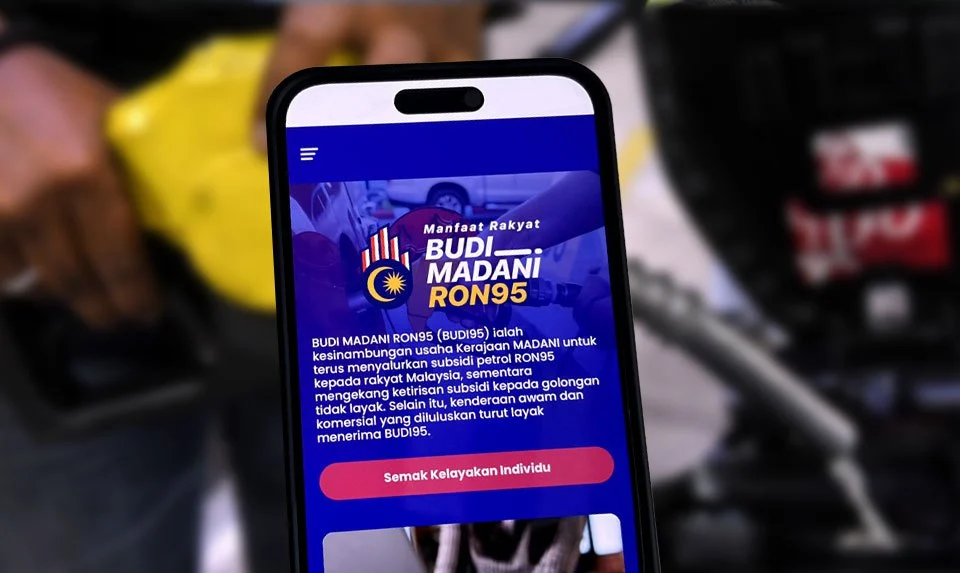
The debate between the government’s current stance and PKR Youth’s proposal opens the door to an innovative policy angle: the concept of a “Dynamic Subsidy Quota.”
Traditionally, subsidy cuts or caps in Malaysia are viewed as fixed, one-way policy implementations. However, a dynamic model would allow the Budi95 quota to function like a financial shock absorber. During times of geopolitical tension or soaring crude oil prices, the government could tighten the quota to protect the national treasury. Conversely, during periods of economic prosperity or when global oil markets cool down, the government could temporarily expand the quota to 300 liters, effectively passing on the fiscal savings directly to the people as a form of economic stimulus.
This adaptable approach also addresses the reality that mobility needs in Malaysia are not strictly uniform. A flat 200-litre cap, while sufficient for the average urban commuter, disproportionately impacts suburban workers and the logistics sector. By integrating data-driven, tiered limits—like the proposed 350-litre bracket for high-usage groups—the government could refine its “targeted subsidy” approach, ensuring that relief reaches the exact demographics that need it most without draining public funds.
Conclusion
The ongoing discourse surrounding the Budi95 quota highlights the delicate balancing act between managing state coffers and easing the cost of living for everyday Malaysians. While the current 200-litre limit is deeply rooted in prudent fiscal management, PKR Youth’s proposal serves as a timely reminder that economic policies should not be static.
If Malaysia can successfully leverage its centralized data systems to implement a flexible, conditions-based fuel quota, it could pioneer a new standard for social safety nets. Ultimately, it proves that fiscal discipline and public welfare do not have to be mutually exclusive—they just require a highly adaptable strategy.