 Zakirin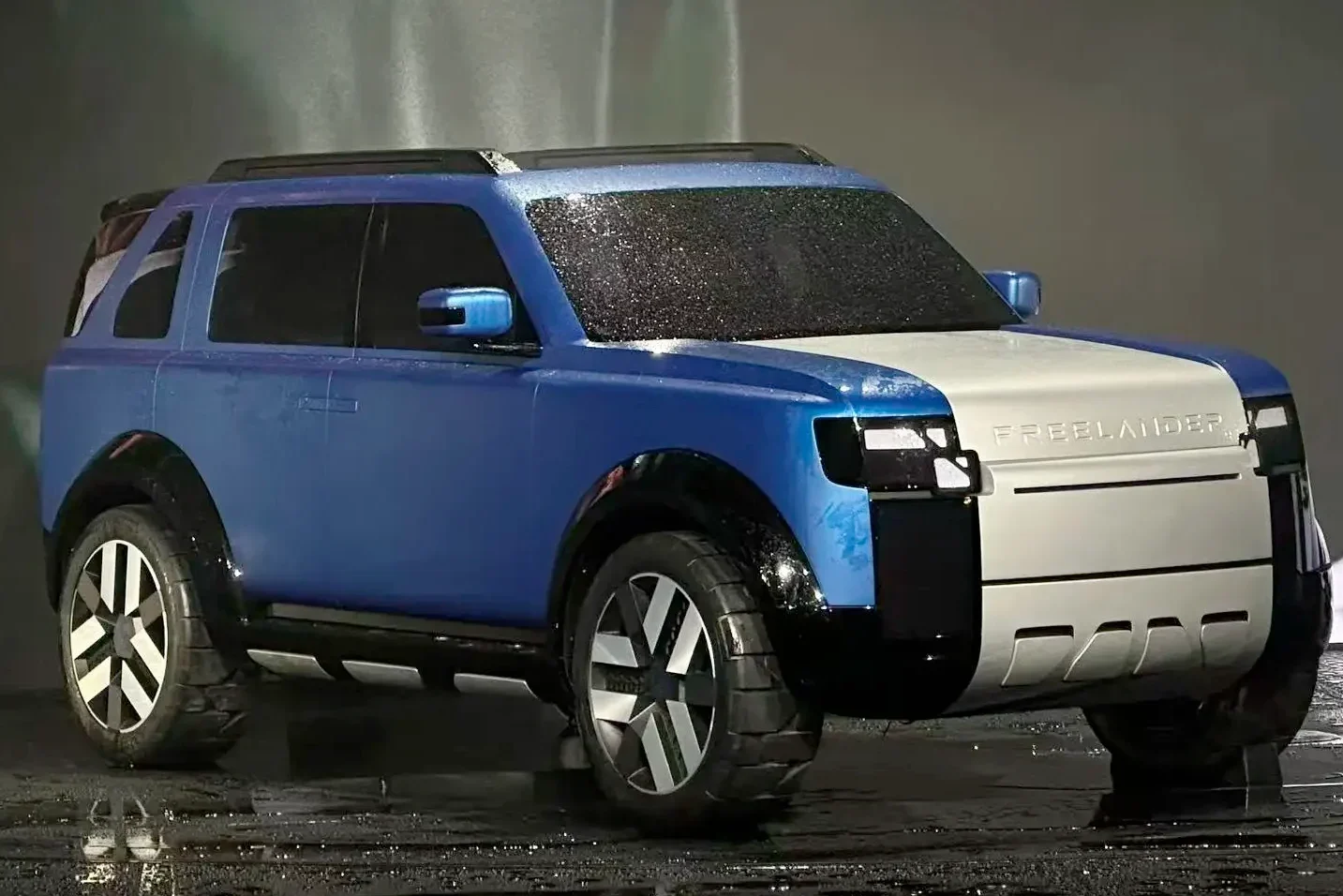
Jaguar Land Rover has officially ceased its local manufacturing operations in China, closing a significant chapter in the British automaker’s strategy for the world’s largest automotive market. After more than 14 years of local assembly, the brand is drastically shifting its approach in response to evolving market dynamics and intense local competition.
Starting July 2026, the company’s Chinese dealership network will no longer receive supplies of locally assembled models. This halt in production has triggered massive clearance sales across the country. Notably, the Range Rover Evoque L is currently being offered at a heavily discounted price of under 180,000 yuan, roughly equivalent to RM106,000. This is a steep decline compared to the premium pricing the model commanded during its initial peak in popularity.
The Struggle Against Domestic EV Giants
The sharp price drops reflect a broader downward trend for the brand in China. While sales reached an impressive peak of 146,400 units in 2017, they plummeted to just around 26,000 units by 2025.
Industry analysts point to several factors contributing to this decline:
- A sluggish pace in introducing new models to the market.
- Failure to keep up with the rapid transition towards electric vehicles.
- An over-reliance on continuous price cuts to stimulate stagnant sales.
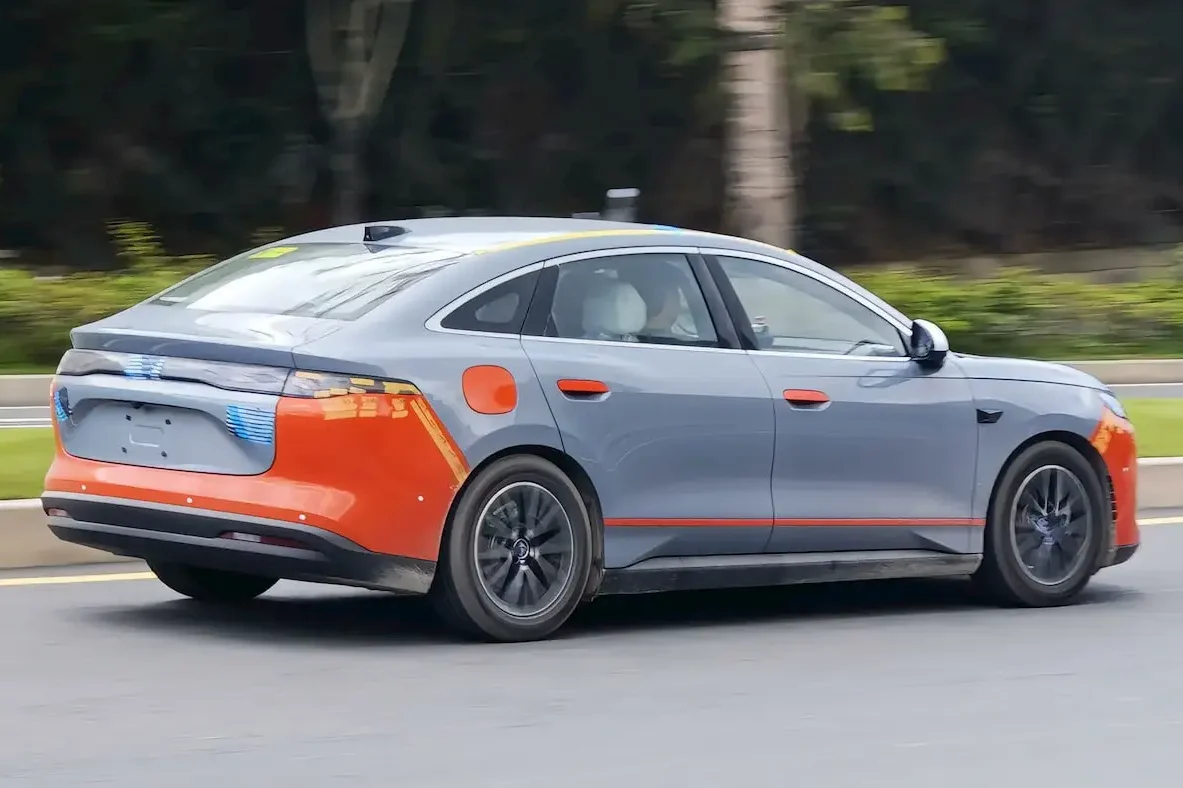
Locally assembled models like the Evoque L and Discovery Sport found it increasingly difficult to compete against domestic heavyweights such as Aito, Nio, Li Auto, and Zeekr. These Chinese manufacturers dominate the 300,000 to 500,000 yuan segment by offering highly advanced smart cabin technologies, modern driver assistance systems, and efficient electric powertrains that local consumers now demand.
Dealership Restructuring and Import Strategy
The dwindling demand for locally made models placed immense pressure on the dealer network. Reports indicate that dealers were forced to stockpile large quantities of local models just to secure quotas for highly profitable imported models like the flagship Range Rover. Moving this excess inventory required massive discounts, leading to an average loss of about 30,000 yuan per locally assembled vehicle sold over the past decade.
In response, the brand is undergoing a major restructuring phase. Moving forward, the company will pivot entirely to a luxury import model, focusing exclusively on its highly prestigious Range Rover, Defender, and Discovery lineups. Consequently, the existing dealer network is expected to shrink significantly, downsizing from just under 90 branches to a more exclusive footprint of about 40 to 50 locations.
The Rebirth of Freelander
Despite the end of local Jaguar Land Rover production, the company’s manufacturing plant in Changshu will not be abandoned.
Leveraging a strategic partnership finalized with Chery in 2024, the facility will be repurposed to revive the iconic Freelander nameplate—this time as an entirely new electric vehicle brand.
The reborn Freelander will capitalize on China’s highly advanced EV supply chain and technological ecosystem. This includes the integration of cutting-edge features like Huawei’s smart driving system. The first model under the new Freelander banner is scheduled to make its official debut in the Chinese market in the second half of 2026.