 Akmal Azhar
Malaysian authorities have initiated an investigation following a viral incident involving a Singapore-registered vehicle caught filling a container with subsidised RON95 petrol. The incident occurred at the Caltex Nusa Sentral petrol station in Iskandar Puteri, Johor Bahru, on the evening of Sunday, August 3, around 6:30 p.m., according to a post on the SG Road Vigilante Facebook page.
Illegal Use of Subsidised Fuel
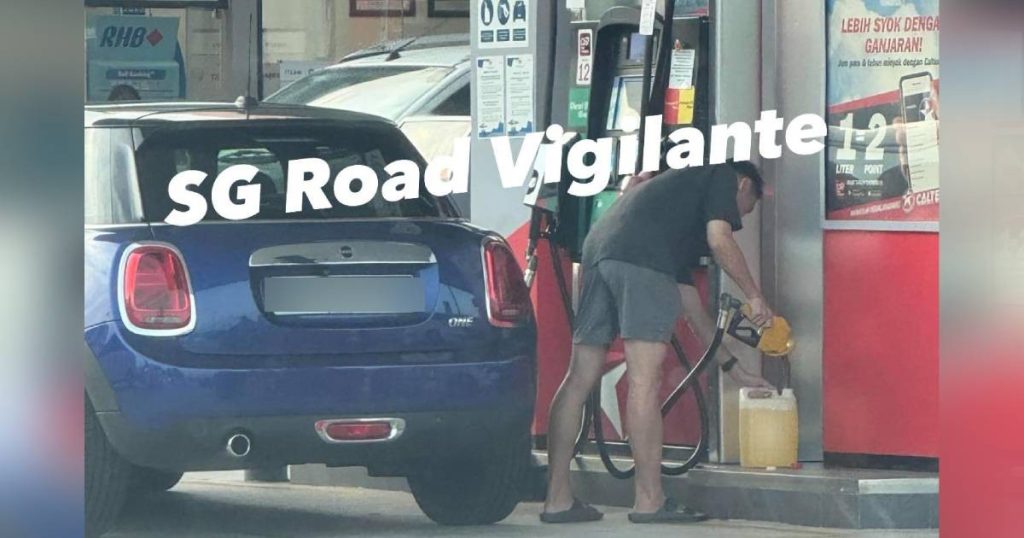
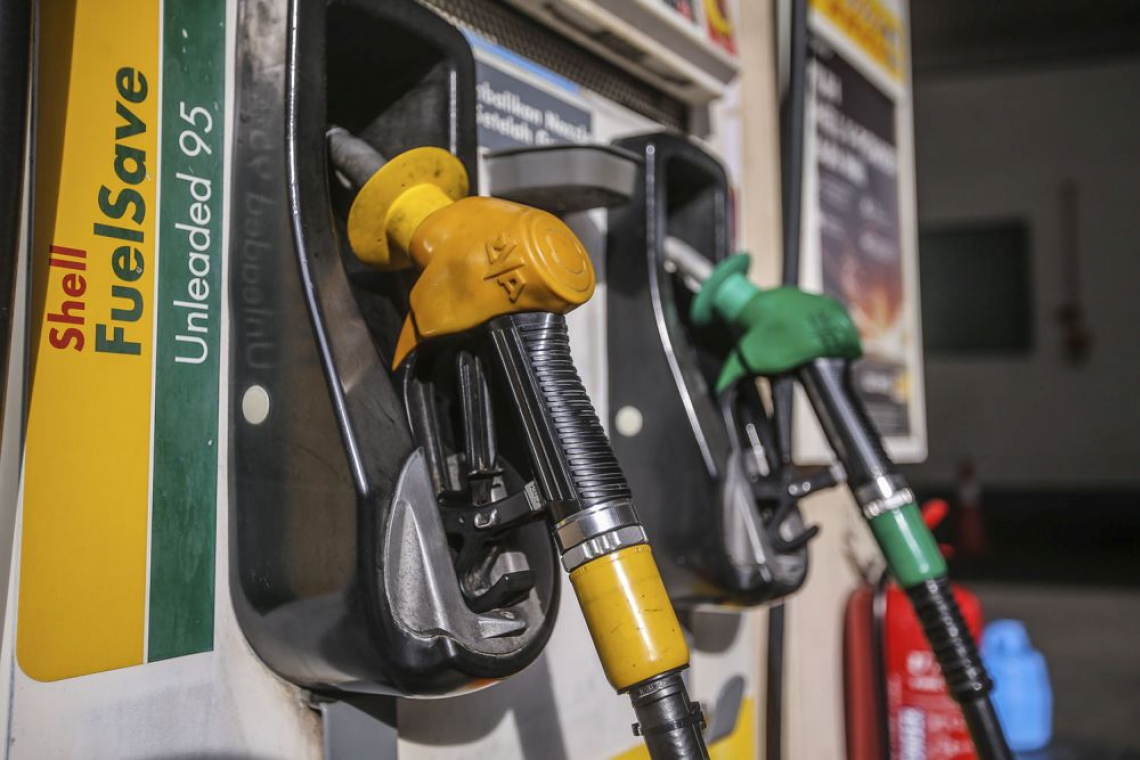
In the shared images, a blue Mini Cooper bearing Singapore plates was shown at the pump, with its driver transferring RON95 petrol into a plastic container. This action underscored a serious breach: RON95 is heavily subsidised by the Malaysian government and legally reserved exclusively for vehicles registered in Malaysia. Foreign-registered vehicles are prohibited from purchasing this fuel and may only use higher-grade, unsubsidised options such as RON97.
Authorities Respond to the Incident
Director of the Johor branch of Malaysia’s Ministry of Domestic Trade and Cost of Living, Lilis Saslinda Pornomo, confirmed that a thorough investigation is underway. Authorities are working to identify the station involved and to determine if any rules were violated. Should the investigation uncover wrongdoing, the station operator could face enforcement under relevant regulations.
Surveillance and Enforcement Action
Further developments indicate that enforcement officers have already reviewed surveillance footage, obtained receipts, and met with the station owner to assess the extent of responsibility. A case has been opened under the Control of Supplies Act 1961. The station operator has been issued a stern warning to prevent recurrence of such violations.
Severe Legal Penalties
The penalties under Malaysian law for unauthorised sale of RON95 to foreign vehicles are severe. Individuals may face fines of up to RM1 million (approximately S$300,000), imprisonment for up to three years, or both. Repeat offenders risk penalties rising to RM3 million (about S$915,000) or up to five years’ incarceration. For corporate entities, fines may reach RM2 million, with subsequent violations potentially incurring penalties of up to RM5 million (around S$1.53 million).

 Zakirin