 Akmal Azhar
The Origin of AMG
Every automaker worth its salt has a high-performance division—BMW has “M,” Audi uses “RS,” Ford deploys “ST,” Hyundai rolls with “N”—and Mercedes-Benz fields its own with AMG. But what exactly do those three letters stand for, and how has AMG evolved within the Mercedes universe?
AMG was founded in 1967 by two German engineers, Hans Werner Aufrecht and Erhard Melcher, originally operating independently. The name comes from their surnames and the birthplace of Aufrecht: Aufrecht, Melcher, and Großaspach. Until Mercedes-Benz made AMG an in-house division in 1999, the company took stock Mercedes vehicles and transformed them into high-performance machines—beefing up the engines, tuning the suspensions, and adding aggressive styling.
AMG as a Brand Within Mercedes-Benz
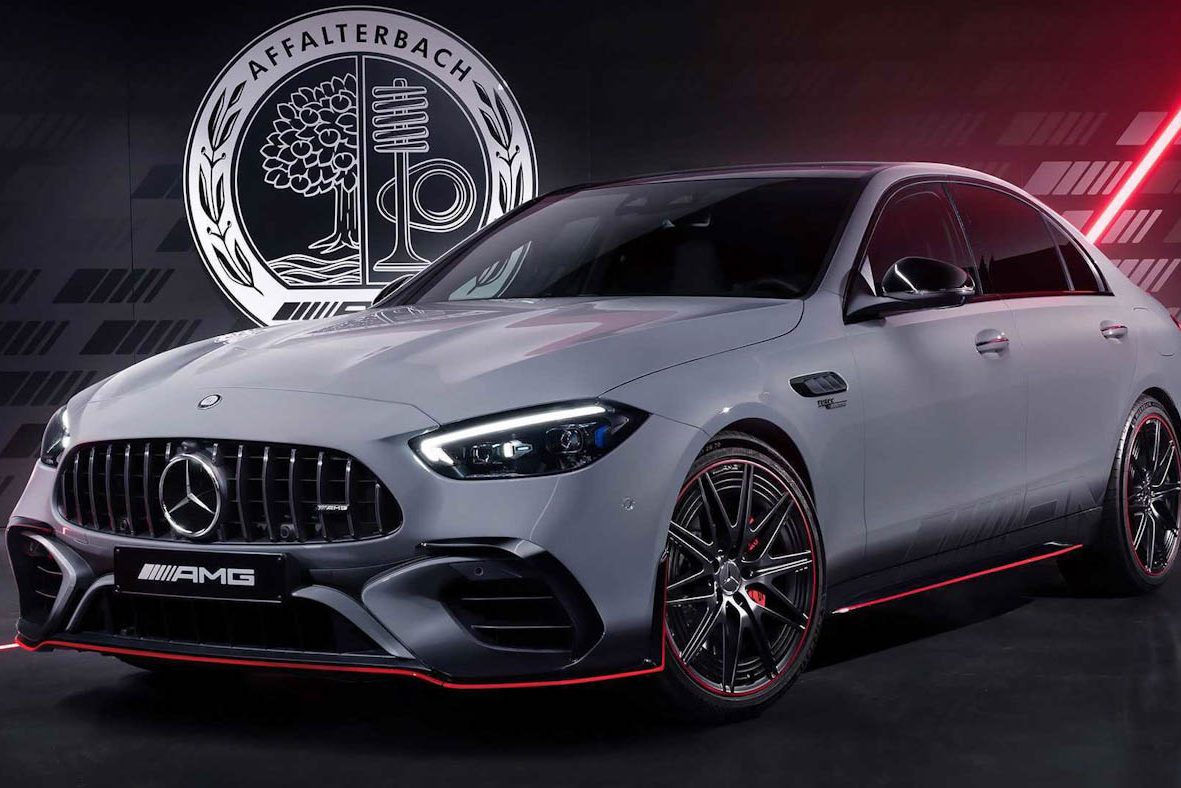
Under the Mercedes-Benz umbrella today, AMG is more distinct than ever. Instead of simply slapping “AMG” onto the end of a model name, Mercedes now integrates it into the brand—marketing “Mercedes‑AMG” much like it does “Mercedes‑Maybach.” Despite appearances, there are only two real levels of AMG: the genuine high-performance models and the AMG Line package, though enthusiasts sometimes casually speak of three tiers.
Understanding AMG Line
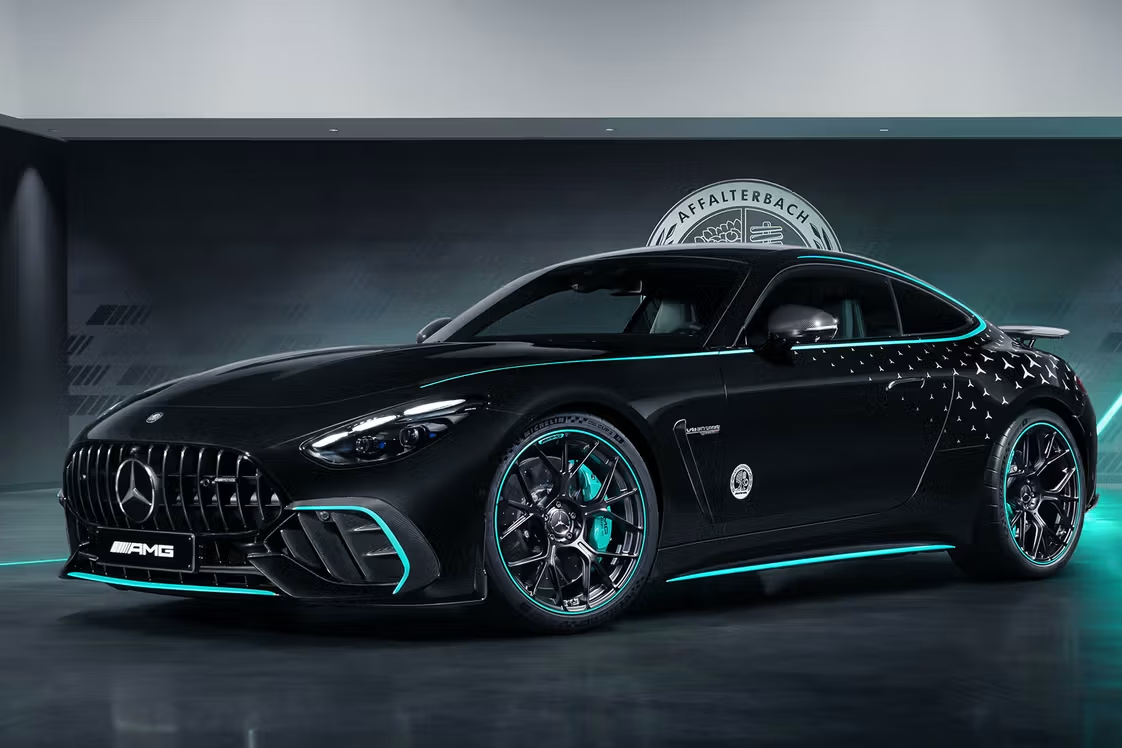
The AMG Line is purely cosmetic. It simply adds sporty aesthetics—nicer wheels, revised bumpers, sportier interiors—to standard Mercedes models. But underneath, the engine, brakes, and drivetrain remain factory standard.
True AMG Performance Models
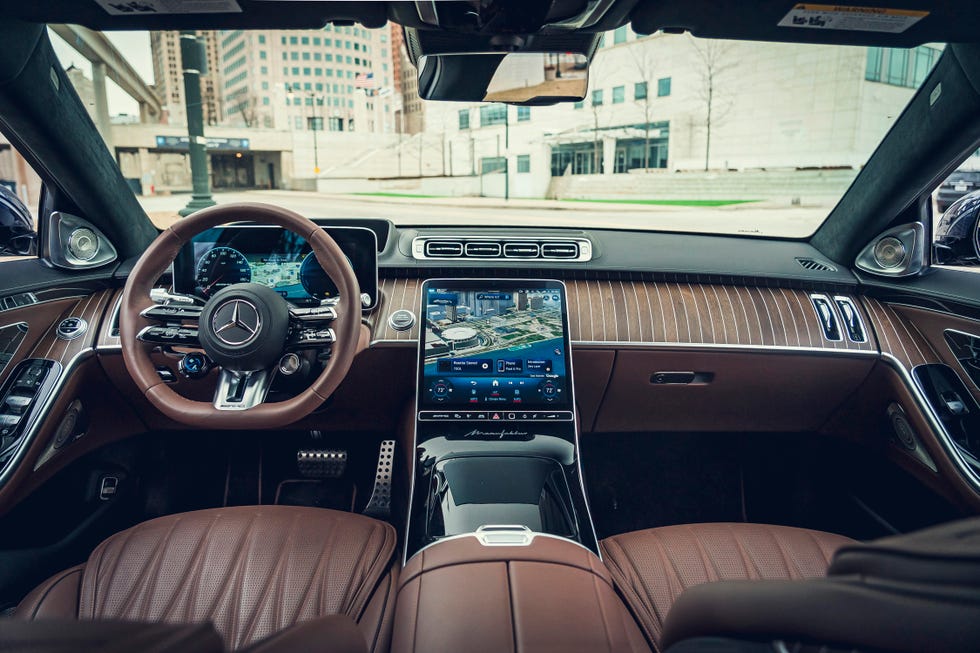
Meanwhile, the full AMG models embody everything the name promises: hand-built engines, power-tuned transmissions, sport suspension, distinctive AMG interiors, enhanced aerodynamics, and bold styling. These are what you think of when you hear rumors of AMG powerhouses like the CLA 45, C 63, E 63, and GLS 63—machines that go toe-to-toe with BMW’s M and Audi’s RS ranges.
The Middle Ground: AMG 43 and 53 Models
Positioned between the pure cosmetic AMG Line and the full-throttle AMG 63 models are the AMG 43 and 53 variants. These adopt that same performance-oriented strategy—sport-tuned underpinnings and interiors—but with smaller, lighter engines. However, they still follow AMG’s celebrated “one man, one engine” motto, even with their turbocharged four- and six-cylinder mills. Power-wise, they compete with BMW’s M Sport series (like the M440i or X3 M50) and Audi’s S lineup (such as the S6 and SQ5).
The Meaning Behind the Badge

So when you encounter those three letters—AMG—on a Mercedes’s decklid, you’re looking at one of two things. It’s either AMG Line, a sporty appearance package built on a standard model, or a true-blue AMG performance car with a hand-assembled engine and a performance pedigree backed by motorsport history.

 Zakirin