
 Akmal Azhar
BMW is preparing to make a bold and eco-conscious move by replacing carbon fiber components with a sustainable flax-based natural fiber in its consumer vehicles. This innovative material transition signals a significant change in the way high-performance car parts are manufactured, blending environmental responsibility with advanced engineering.
Natural Fiber Reinforced Polymer Takes the Lead
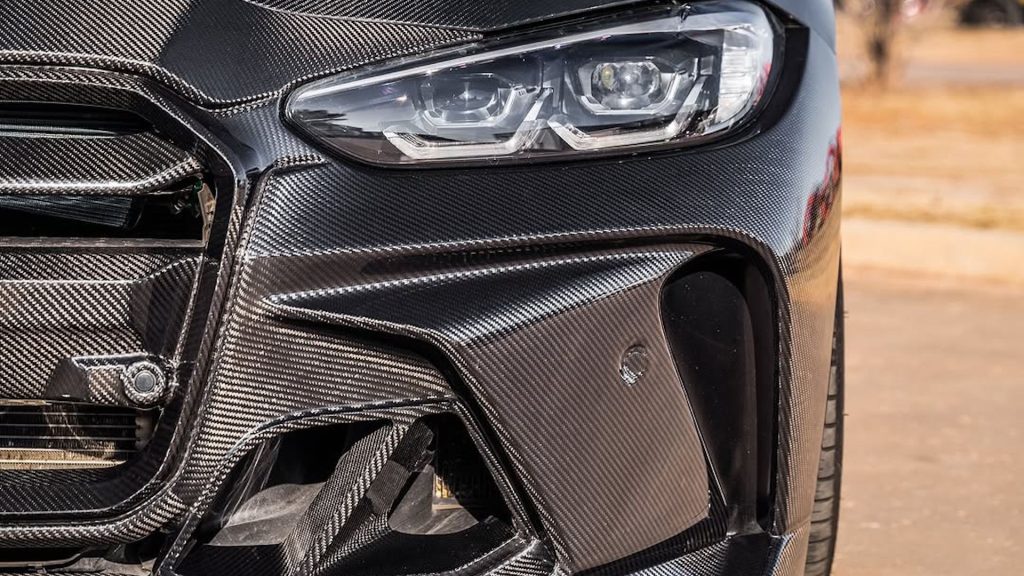
The new material, known as natural fiber reinforced polymer (NFRP), is made from renewable flax plants and offers a lightweight, durable, and environmentally friendly alternative to carbon fiber. While carbon fiber has long been favored in automotive applications for its strength-to-weight ratio, it is also energy-intensive to produce and challenging to recycle. BMW’s adoption of flax fiber aims to address these limitations while maintaining performance standards.
Engineering Meets Sustainability
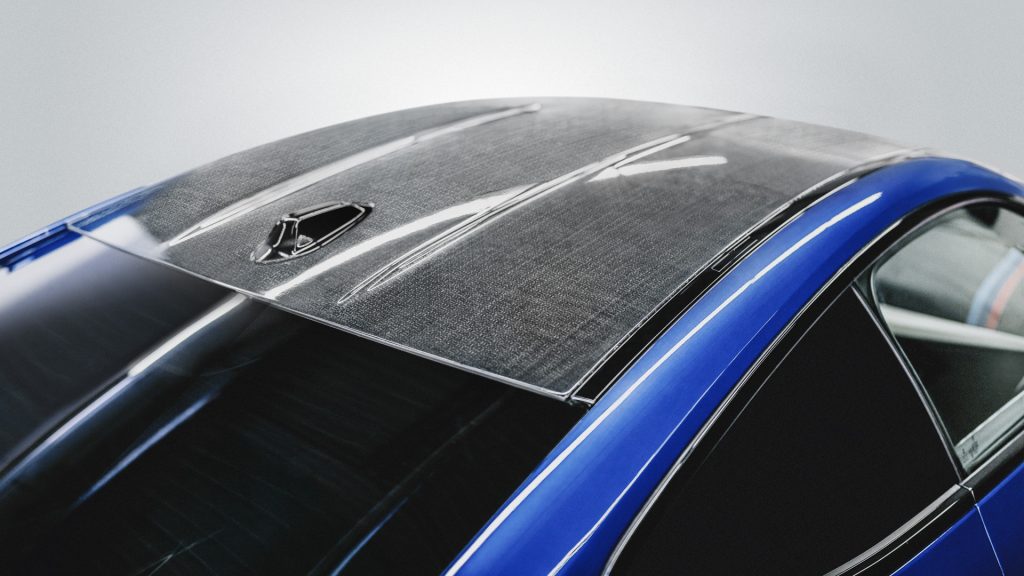
Flax-based fibers are integrated with biopolymers or thermoplastics to form a composite that closely mimics the structural characteristics of carbon fiber. BMW has been testing these components under rigorous conditions, including in motorsport, where they were used in parts of the BMW M4 GT4 race car.
The results demonstrated that flax-based panels could match or exceed the mechanical performance of their carbon counterparts, especially in areas like crash performance and vibration damping.
Mass Production Ready for Consumer Vehicles
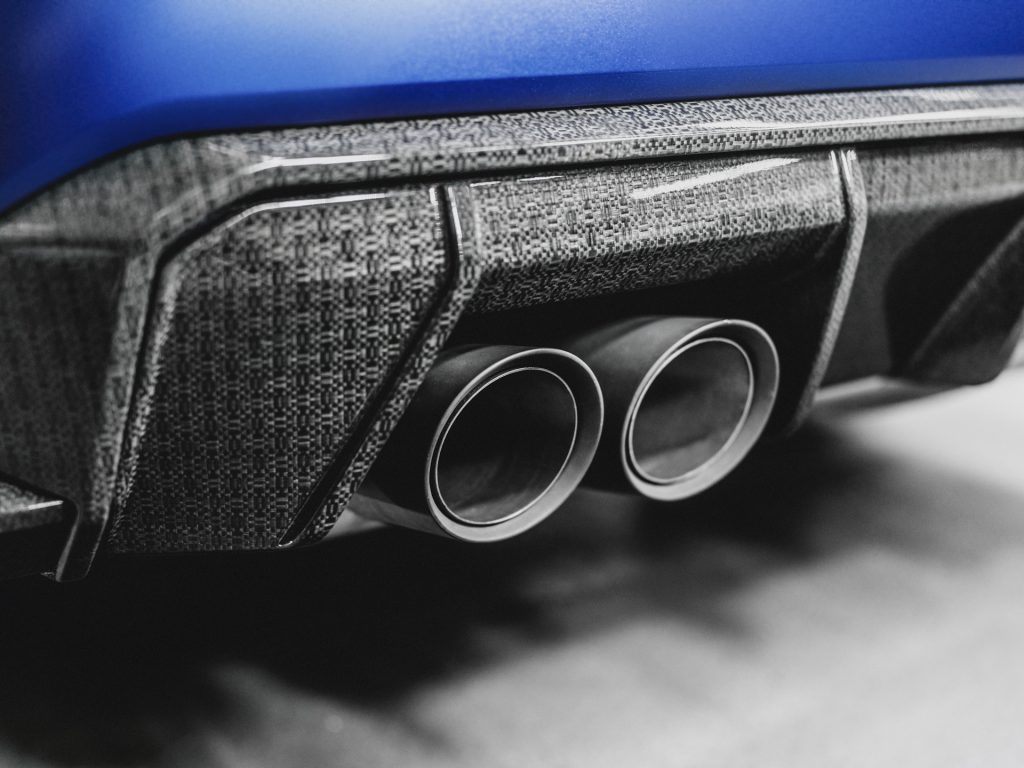
With successful trials now complete, BMW is gearing up to introduce flax-reinforced parts into mass production vehicles. These natural fiber composites will be used in interior and exterior panels, including door trims, consoles, and even body panels.
The company plans to roll out this material across several vehicle lines, aiming to reduce its reliance on synthetic and non-renewable materials as part of its broader sustainability goals.
Driving Toward a Greener Future
This shift is part of BMW’s larger commitment to reducing its carbon footprint across the vehicle lifecycle. The use of flax-based composites not only lowers manufacturing emissions but also contributes to vehicle weight reduction, which improves efficiency and lowers fuel or energy consumption. As the industry moves toward more sustainable practices, BMW’s adoption of renewable materials highlights its role as a leader in green innovation.


 Zakirin