 Akmal Azhar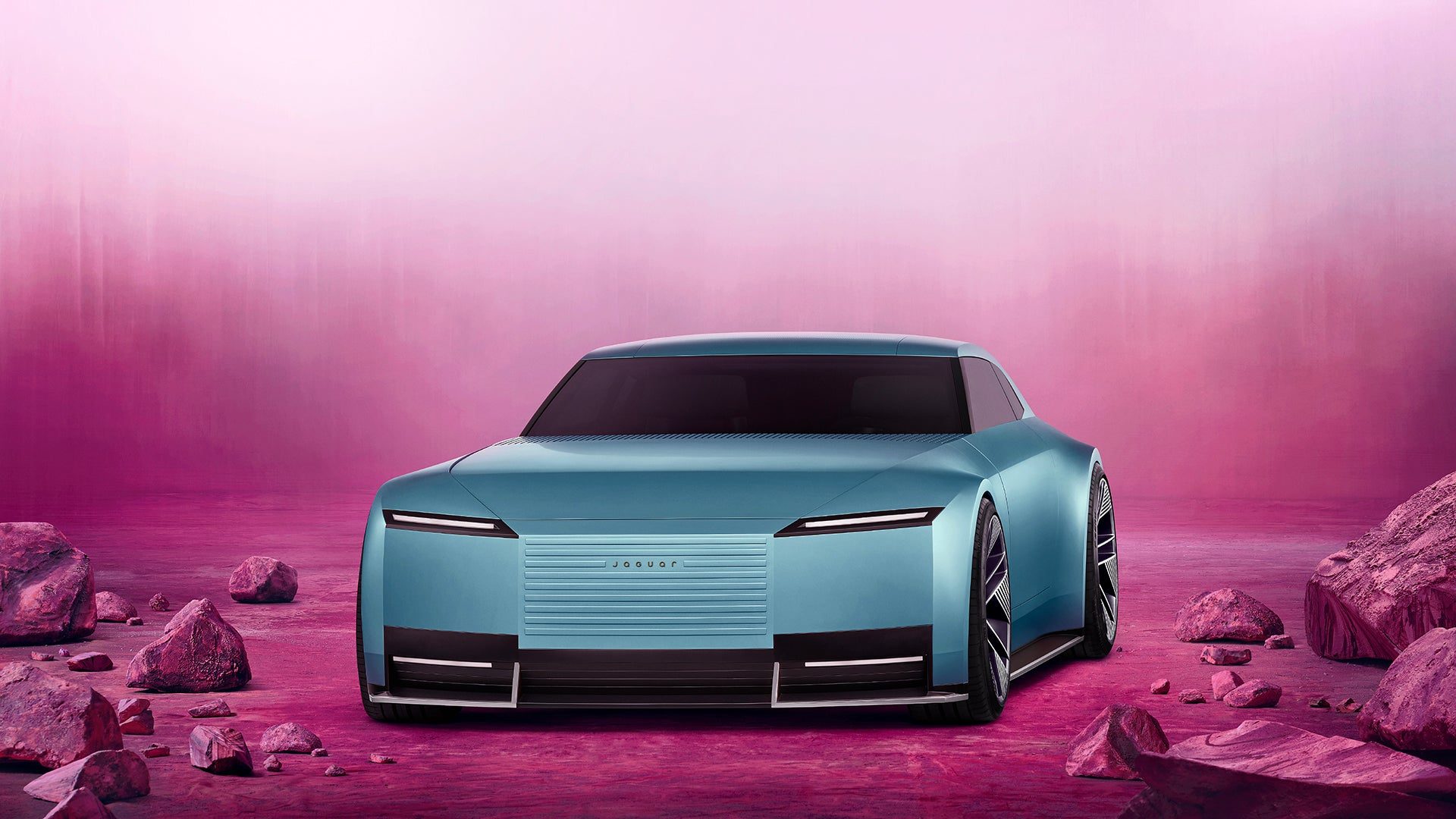
The automotive world stands on the brink of a major realignment as India’s Tata Motors enters advanced negotiations to sell its storied British subsidiary, Jaguar, to China’s Zhejiang Geely Holding Group. This potential transaction, if finalized, would mark the end of an era for Tata’s 16-year stewardship of the iconic British marque and represent another strategic coup for Geely’s growing empire of premium automotive brands.
Since acquiring Jaguar Land Rover from Ford in 2008 for $2.3 billion, Tata has struggled to return the Jaguar brand to its former glory. While Land Rover flourished with its popular SUV lineup, Jaguar’s sales dwindled to just 80,000 units globally in 2023 – a far cry from its peak years.
The brand’s delayed transition to electric vehicles and the economic turbulence following Brexit have compounded these challenges, leaving Tata facing difficult decisions about its future.
For Geely, the acquisition would represent the latest in a series of bold moves that have transformed the Chinese automaker into a global powerhouse. Having already successfully revived Volvo and expanded its portfolio to include Lotus and Polestar, Geely sees in Jaguar both a prestigious heritage brand and a valuable platform for its electric vehicle ambitions.
The company’s Sustainable Experience Architecture (SEA) platform could provide Jaguar with the technological foundation it needs to finally make its long-promised electric transition a reality.
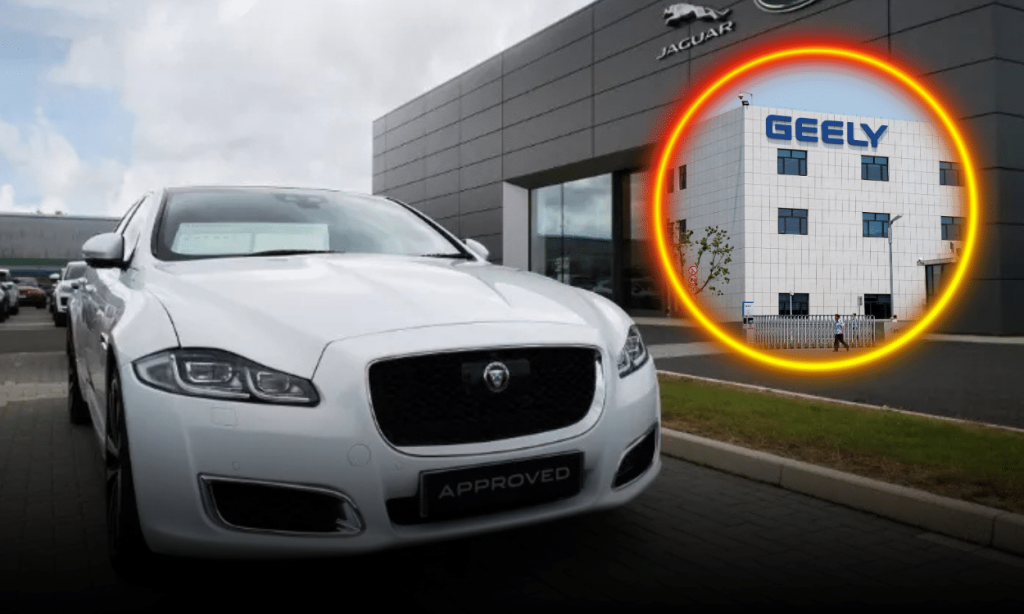
The negotiations come at a critical juncture for Jaguar, which had announced plans to become an all-electric brand by 2025 under Tata’s ownership. However, the estimated $15 billion research and development costs for this transformation may have proven too burdensome for Tata, which faces competing priorities in its core Indian market.
The company’s commercial vehicle division is experiencing strong growth amid India’s infrastructure boom, potentially making Jaguar’s struggles harder to justify.
Industry analysts suggest that separating Jaguar from Land Rover presents significant technical and logistical challenges, as the two brands share platforms, technologies, and supply chains. The fate of Jaguar’s UK manufacturing facilities, particularly its Castle Bromwich plant, has become a point of concern for British unions and policymakers. Meanwhile, Jaguar’s substantial pension liabilities, estimated at £1 billion, represent another complex element in the negotiations.
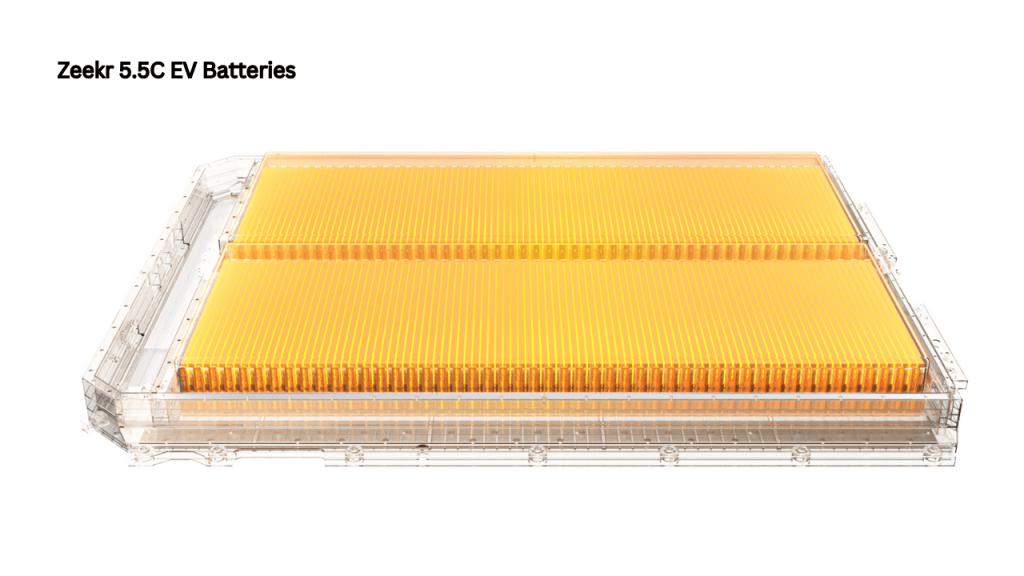
Should the deal proceed, automotive experts anticipate Geely will move quickly to revitalize Jaguar’s product lineup. There is particular speculation about the potential revival of the electric XJ sedan, a project Tata had canceled in 2021 despite significant development work. Geely’s existing relationships with Volvo and Polestar could provide Jaguar with immediate access to advanced electric vehicle technology and autonomous driving systems.
The potential acquisition has sent ripples through the global auto industry. In financial markets, Tata’s shares rose 8% on news of the potential divestment, while Geely’s stock dipped 3% amid concerns about the company’s growing debt load. Competitors like BMW and Mercedes-Benz are watching closely, as the deal could significantly strengthen Geely’s position in the luxury electric vehicle segment.
Beyond the immediate business implications, the transaction raises broader questions about the shifting balance of power in the global auto industry. As traditional Western brands increasingly turn to Chinese capital and technology to navigate the EV transition, deals like this one may become more common. For Jaguar, a brand with nearly nine decades of British automotive history, the move would represent the latest – and perhaps most dramatic – chapter in its complex ownership story.
As negotiations continue behind closed doors, industry observers are left to ponder what a Geely-owned Jaguar might look like. Will the Chinese automaker preserve the brand’s quintessential British character, or will Jaguar follow Lotus’s path toward a more international identity? One thing seems certain: in an industry undergoing unprecedented transformation, even the most storied names aren’t immune to change.
Key Implications of the Potential Deal:
The transaction would complete Jaguar’s journey from British icon to global corporate asset, following previous ownership by British Leyland and Ford. Geely’s proven ability to nurture premium brands while modernizing their technology base could finally give Jaguar the resources it needs to compete in the electric era. For the UK automotive sector, the deal represents both an opportunity to secure investment and a test of its post-Brexit attractiveness to global manufacturers.

 Zakirin