 Akmal Azhar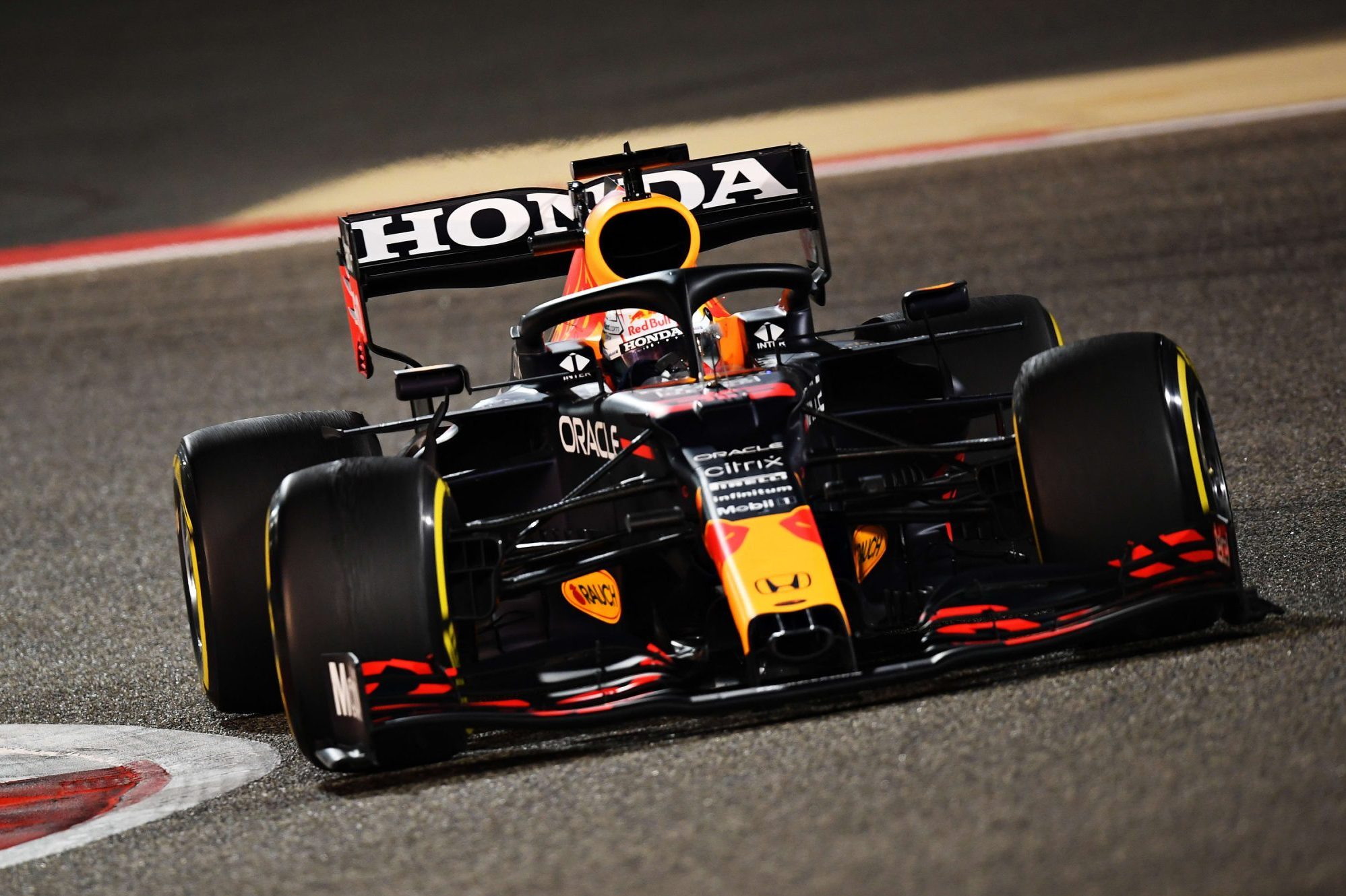
Why Honda Stepped Away from Formula 1: A Strategic Shift in Motorsport and Sustainability
Honda’s departure from Formula 1 at the end of the 2021 season marked the end of an era for one of motorsport’s most iconic engine manufacturers. The decision, while surprising to many, was rooted in a combination of strategic, financial, and environmental considerations.
As the automotive industry undergoes a seismic shift toward electrification and sustainability, Honda’s exit from F1 reflects a broader realignment of priorities, signaling a new chapter for the Japanese automaker.
A Legacy of Triumphs and Challenges
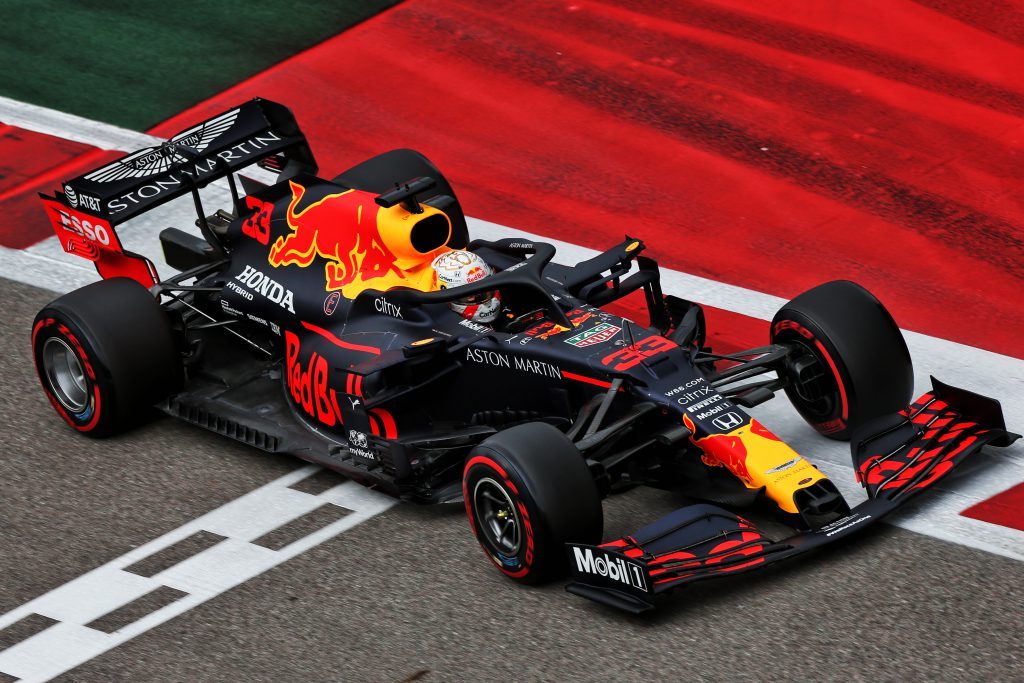
Honda’s history in Formula 1 is a tale of triumphs and setbacks. The company first entered the sport in the 1960s, quickly establishing itself as a dominant force with its powerful and reliable engines. During the 1980s and 1990s, Honda-powered cars, driven by legends like Ayrton Senna and Alain Prost, secured multiple world championships, cementing Honda’s reputation as a motorsport powerhouse.
However, Honda’s relationship with F1 has not been without its struggles. The company withdrew from the sport in 2008 amid the global financial crisis, only to return in 2015 as an engine supplier for McLaren.
This comeback was fraught with difficulties, as the hybrid power units introduced in 2014 proved complex and challenging to master. Honda’s engines were plagued by reliability and performance issues, leading to a strained partnership with McLaren and a tarnished reputation.
Despite these setbacks, Honda persevered. A switch to supplying Red Bull Racing and its sister team, AlphaTauri, in 2018 marked a turning point. By 2021, Honda-powered cars were competing for race wins and championships, with Max Verstappen clinching the drivers’ title in a dramatic season finale.
This resurgence made Honda’s decision to leave F1 all the more surprising, as it came at the peak of the company’s success.
The Driving Forces Behind Honda’s Exit
Honda’s departure from Formula 1 was driven by several key factors, the most significant being its commitment to achieving carbon neutrality by 2050. As the automotive industry pivots toward electric vehicles (EVs) and renewable energy, Honda has prioritized investments in sustainable technologies. Formula 1, with its focus on internal combustion engines and hybrid systems, no longer aligns with Honda’s long-term vision.
The financial implications of competing in F1 also played a role. Developing and maintaining a competitive F1 engine is a costly endeavor, requiring hundreds of millions of dollars annually. For Honda, these resources could be better allocated toward research and development of electric and hydrogen fuel cell technologies, which are central to the company’s future strategy.
Additionally, the COVID-19 pandemic exacerbated financial pressures across the automotive industry, forcing companies to reassess their expenditures. Honda’s decision to exit F1 was part of a broader effort to streamline operations and focus on core business areas.
The Impact on Formula 1 and Red Bull Racing
Honda’s departure left a significant void in Formula 1, particularly for Red Bull Racing, which had relied on Honda’s engines since 2019. To mitigate the impact, Honda agreed to continue supporting Red Bull with engine development and maintenance until the end of 2025.
This arrangement allowed Red Bull to establish its own powertrain division, Red Bull Powertrains, ensuring the team’s competitiveness in the short term.
The move also highlighted the challenges facing Formula 1 as it seeks to balance tradition with innovation. While the sport has introduced hybrid power units and plans to adopt fully sustainable fuels by 2025, it must continue to evolve to remain relevant in an era dominated by electric mobility.
Honda’s exit underscores the need for F1 to attract manufacturers with a clear alignment between the sport’s technological direction and the automotive industry’s broader goals.
Honda’s Future in Motorsport

Although Honda has stepped away from Formula 1, the company remains committed to motorsport. Its focus has shifted to series that align more closely with its sustainability objectives, such as Formula E and endurance racing. Honda’s participation in these categories allows it to showcase its expertise in electrification and alternative fuels while maintaining a presence in competitive racing.
Moreover, Honda’s decision to leave F1 does not diminish its legacy in the sport. The company’s contributions to Formula 1 have left an indelible mark, from its early dominance in the 1980s to its recent success with Red Bull. Honda’s engines have powered some of the greatest drivers and teams in F1 history, and its influence will be felt for generations to come.
A Strategic Pivot Toward a Greener Future
Honda’s exit from Formula 1 is emblematic of the broader transformation occurring in the automotive industry. As companies worldwide grapple with the challenges of climate change and shifting consumer preferences, they must make difficult decisions about where to invest their resources. For Honda, this meant stepping away from a sport it had helped shape in order to focus on a future defined by sustainability and innovation.
While Honda’s departure marks the end of an era, it also signals the beginning of a new chapter—one in which the company seeks to lead the charge toward a carbon-neutral future. By prioritizing electric and hydrogen technologies, Honda aims to remain at the forefront of the automotive industry, proving that its commitment to innovation extends far beyond the racetrack.

 Zakirin