 Zakirin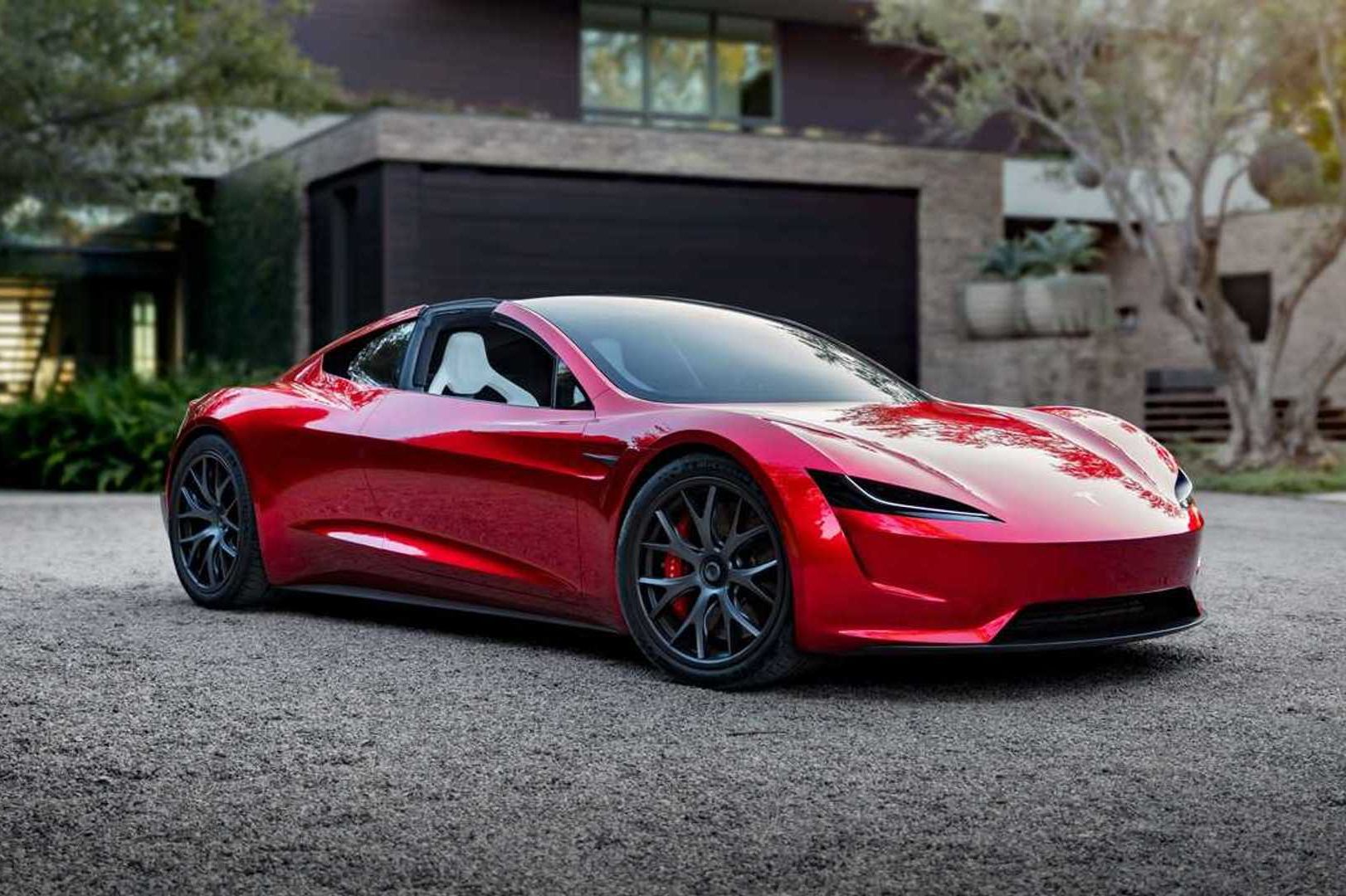
Tesla has confirmed an official reveal date of 1 October 2026 for its second-generation Roadster, deploying an active countdown timer on its primary reservation portal alongside aerospace-themed teasers nearly nine years after first showcasing the electric hypercar concept.
- Tesla confirms a 1 October 2026 debut for the next-generation Roadster via an official countdown clock and “Go for launch” mission-style teasers.
- The baseline US$200,000 sticker converts to approximately RM813,000, with the limited Founders Series translating to over RM1.01 million before local duties and delivery charges.
- The event is slated to take place in Texas near SpaceX’s rocket development complex, with indications of a technical demonstration featuring cold-gas thruster technology ahead of planned series assembly.
The updated timeline follows public confirmations across Tesla’s official communication channels, featuring launch-pad-style visuals marked with “10.01” and accompanying statements from Chief Executive Officer Elon Musk confirming the date. The presentation venue is situated in central Texas, in close proximity to SpaceX’s rocket testing installations in McGregor, approximately 90 minutes north of Tesla’s global headquarters in Austin.
| Engineering & Programme Metric | Original 2017 Concept Baseline | Anticipated Production Framework | Malaysian Ringgit Estimate (Direct FX) |
| Global Reveal Window | November 2017 (Concept debut) | 1 October 2026 (Production design) | — |
| Base Retail Price | US$200,000 | Production baseline | ~RM813,000 |
| Founders Series Price | US$250,000 (Limited 1,000 units) | Launch allocation tier | ~RM1,016,000 |
| Reservation Deposit | US$50,000 (Standard) | Deposit required to secure build slot | ~RM203,000 |
| Chassis Construction | Aluminium / composite hybrid structure | Dedicated carbon-fibre monocoque | — |
| Powertrain Layout | Tri-motor all-wheel drive (AWD) | Advanced multi-motor electric drive | — |
| 0–60 mph Acceleration | Under 1.9 seconds (Targeted) | Sub-1.5 seconds (With thruster package) | — |
| Top Speed | Over 250 mph (400 km/h) | Over 250 mph (400 km/h) | — |
| Target Electric Range | Up to 620 miles (approx. 1,000 km) | Structural high-discharge battery pack | — |
| Aerospace Integration | Standard electric powertrain | Optional SpaceX cold-gas thruster pack | — |
| Projected Production Start | Originally targeted 2020 (Delayed) | Targeted within 12 to 18 months | Handovers from 2027 / 2028 |
While Tesla Malaysia has not officially initiated local order intake or published domestic on-the-road pricing, direct currency conversions place the base model at roughly RM813,000, with the fully paid Founders Series allocation exceeding RM1.01 million. Securing a reservation slot globally requires an initial US$50,000 commitment, which translates to approximately RM203,000. Final retail pricing in Malaysia would remain subject to local luxury vehicle taxation, registration fees, and logistics costs once regional right-hand-drive allocations are confirmed.
Over its extended nine-year gestation, the engineering scope of the Roadster program transitioned away from earlier plans that relied on shared components from the Model S Plaid. Instead, development pivoted toward a bespoke carbon-fibre monocoque platform designed to accommodate high-density structural battery technology and specialised chassis hardware.
Central to the October demonstration is the anticipated preview of a high-performance variant incorporating cold-gas thrusters developed in direct partnership with SpaceX. Positioned around the chassis and utilising compressed air propulsion through high-pressure composite-wound vessels, the system is engineered to provide instantaneous thrust vectors to augment cornering grip, braking deceleration, and launch acceleration.
The reveal concludes a prolonged wait for reservation holders who placed upfront deposits when the prototype was introduced during the Semi commercial truck unveiling in late 2017. While the 1 October presentation will outline road-legal production parameters and definitive performance benchmarks, series assembly is expected to require an industrial lead time of 12 to 18 months, pointing to initial customer deliveries commencing in late 2027 or 2028.