 Zakirin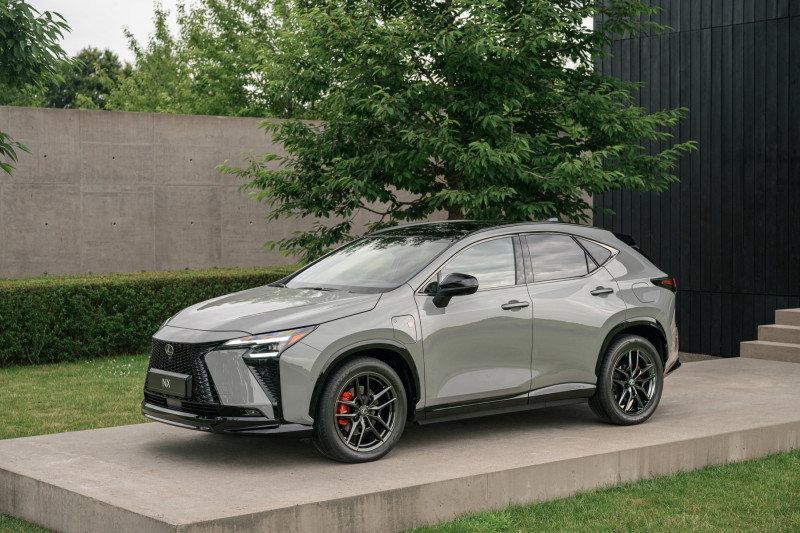
Lexus has unveiled a comprehensive mid-cycle update for the second-generation NX luxury crossover, introducing notable powertrain revisions, structural enhancements, and an updated passenger compartment. The mid-life update marks an official transition for the model line-up, as the Japanese automaker has eliminated all purely internal combustion engine variants globally, establishing the NX as an exclusively electrified offering. Anchoring the mechanical updates is the NX 450h+ plug-in hybrid, which receives a 30 percent enlargement in traction battery capacity to exceed 100 kilometres of electric-only driving range on the WLTP cycle, alongside the addition of direct-current fast charging. The revisions also draw heavily from the interior design and digital architecture seen in the latest ES saloon, bringing a redesigned dashboard interface, improved chassis rigidity, and retuned damping to the brand’s core mid-size crossover.
Key Points
- The updated Lexus NX range transitions entirely to electrified powertrains, eliminating conventional non-hybrid petrol engines across all global markets.
- The revised NX 450h+ plug-in hybrid incorporates a 23-kilowatt-hour battery that yields more than 100 kilometres of electric range under WLTP testing and introduces direct-current fast charging capabilities.
- Structural reinforcements improve floor rigidity by 25 percent and suspension tower stiffness by 30 percent, complemented by an interior redesign featuring a 12.3-inch digital instrument cluster and flush capacitive climate controls.
Electrified Powertrain Upgrades and Direct-Current Charging
The mechanical revision of the Lexus NX centres on the complete retirement of conventional petrol engines, including the previously available naturally aspirated 2.5-litre unit in the NX 250 and the 2.4-litre turbocharged engine found in the NX 350. Electrified derivatives now employ the manufacturer’s sixth-generation hybrid system, which integrates the power control unit directly with the electric motor and the electronic continuously variable transmission gearset. This redesign yields a system that is 10 kilograms lighter and 10 centimetres slimmer than its predecessor, while incorporating silicon carbide semiconductors within the inverter to reduce electrical losses.
At the top of the range, the all-wheel-drive NX 450h+ plug-in hybrid pairs a 2.5-litre four-cylinder petrol engine with dual electric motors to produce a combined 326 PS, an eight percent improvement over the outgoing model that reduces its zero-to-100 km/h acceleration time to 6.0 seconds. The traction battery capacity has been increased to 23 kilowatt-hours, boosting pure electric range past the 100-kilometre threshold on the WLTP cycle. For the first time, the plug-in hybrid supports direct-current fast charging, enabling a 10 to 80 percent charge in 30 minutes, which prompted engineers to move the charging port to the front fender with a powered access door. Additionally, the NX 450h+ now features a 1,500W AC outlet, allowing the vehicle to function as a mobile power supply.
Below the plug-in hybrid, the self-charging hybrid variants receive updated battery chemistries and revised motor management. The key technical specifications across the global hybrid line-up are structured as follows:
| Variant | Powertrain Configuration | Engine Displacement | Total System Output | 0–100 km/h Acceleration | Battery Type / Function |
| NX 300h | Front-wheel drive hybrid | 2.0-litre petrol | 197 PS | 9.2 seconds | Compact lithium-ion (self-charging) |
| NX 350h | Front- or all-wheel drive hybrid | 2.5-litre petrol | 245 PS | 7.1 seconds | 23.5 kg lithium-ion (self-charging) |
| NX 450h+ | Dual-motor all-wheel drive PHEV | 2.5-litre petrol | 326 PS | 6.0 seconds | 23.0 kWh lithium-ion (DC fast-charging) |
For the NX 350h, the redesigned lithium-ion battery pack is 9.2 kilograms lighter at 23.5 kilograms, benefiting from enhanced cooling channels that reduce the total number of cells without compromising electrical output. Both the NX 450h+ and NX 350h powertrains now meet the forthcoming Euro7 emissions standard and have received increased towing capacities of 1,500 kg. Power delivery under acceleration has also been recalibrated to draw more energy from the battery pack earlier in the pedal travel, keeping internal combustion engine speeds lower and creating a more linear correlation between engine noise and road speed.
Chassis Stiffening and Dynamic Revisions
Beneath the exterior sheet metal, engineers have implemented targeted structural revisions to enhance overall body rigidity and reduce noise, vibration, and harshness. Additional floor crossmembers and a reinforced transmission tunnel elevate floor rigidity by 25 percent compared to the pre-facelift model. Simultaneously, redesigned suspension towers provide a 30 percent gain in front-end torsional stiffness, giving the chassis a firmer foundation to absorb road impacts without transferring secondary vibrations into the passenger cell.
Handling dynamics have been developed through evaluations conducted at the Shimoyama proving ground and Germany’s Nürburgring circuit. Standard passive dampers are now equipped with ultra-low-speed valves designed to provide more controlled fluid resistance during minimal suspension movements, maintaining body composure over small road undulations. Variable-ratio electric power steering has been retuned to match the stiffer platform, while an integrated cornering brake control system applies subtle inside wheel braking during abrupt steering inputs to mitigate yaw and body roll. To improve acoustic refinement, Lexus also redesigned the engine block mounting points to shift mechanical resonance frequencies away from primary combustion vibrations, reducing cabin noise by an estimated 20 percent.
Exterior Redesign and Aerodynamic Enhancements
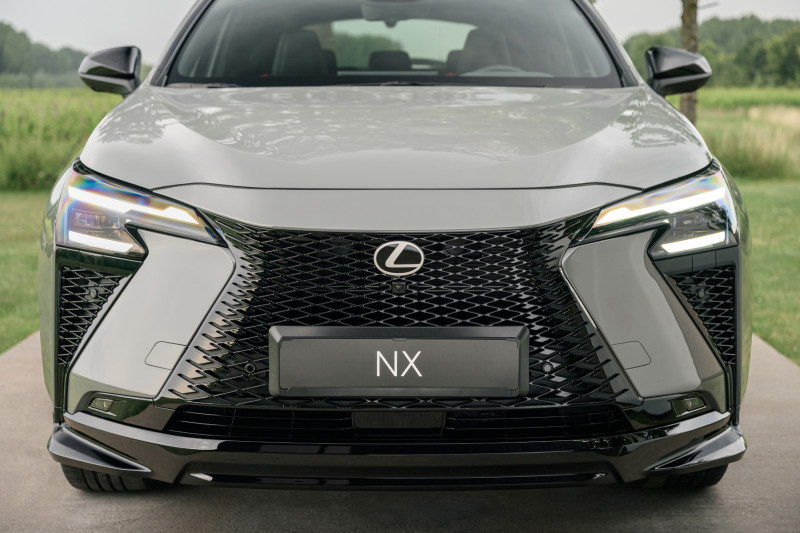
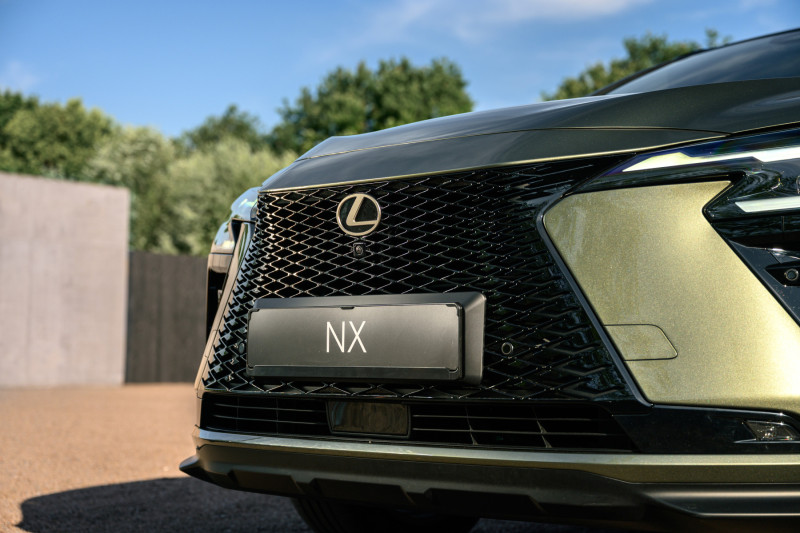
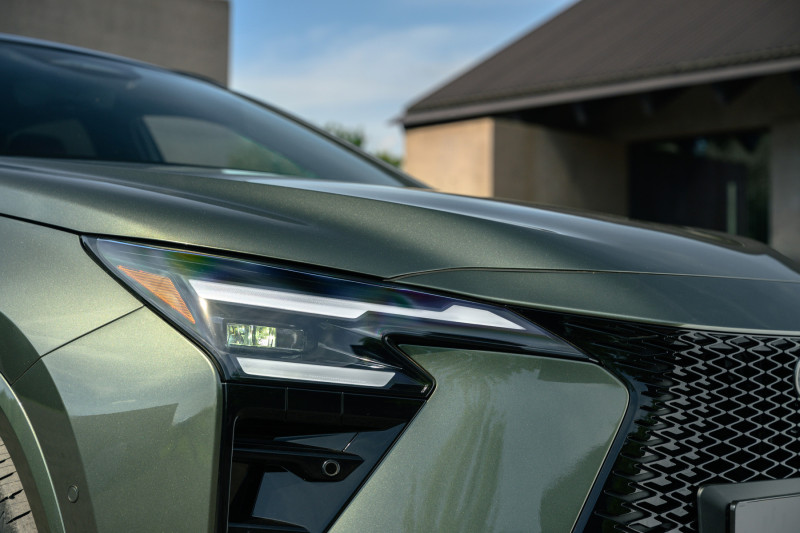
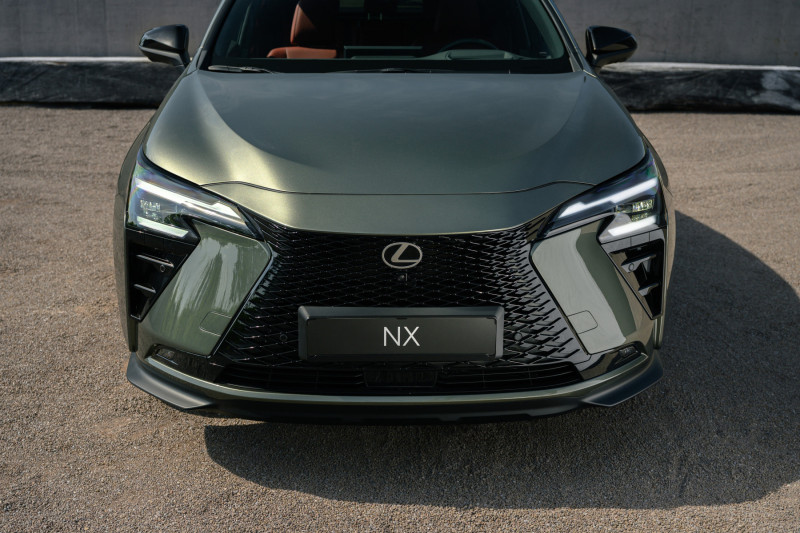
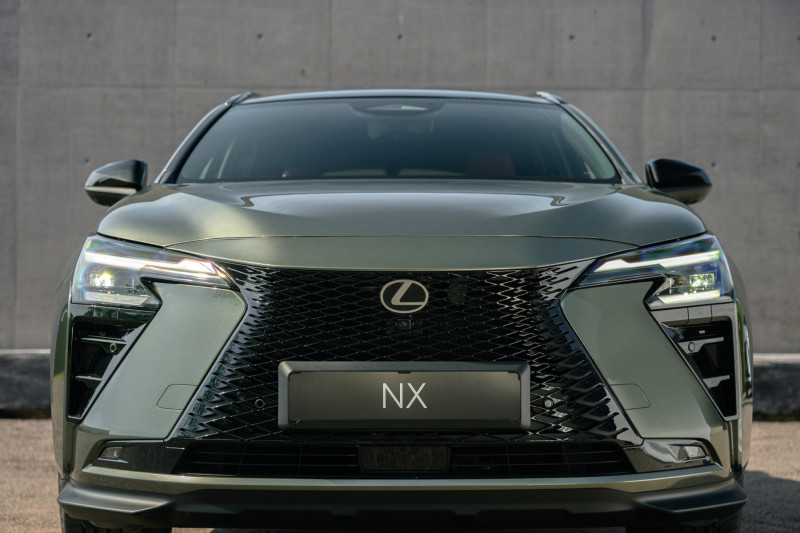
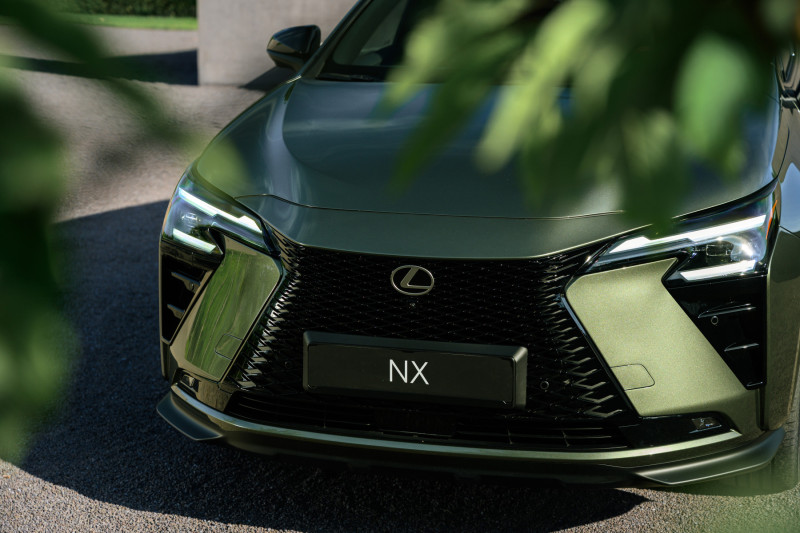
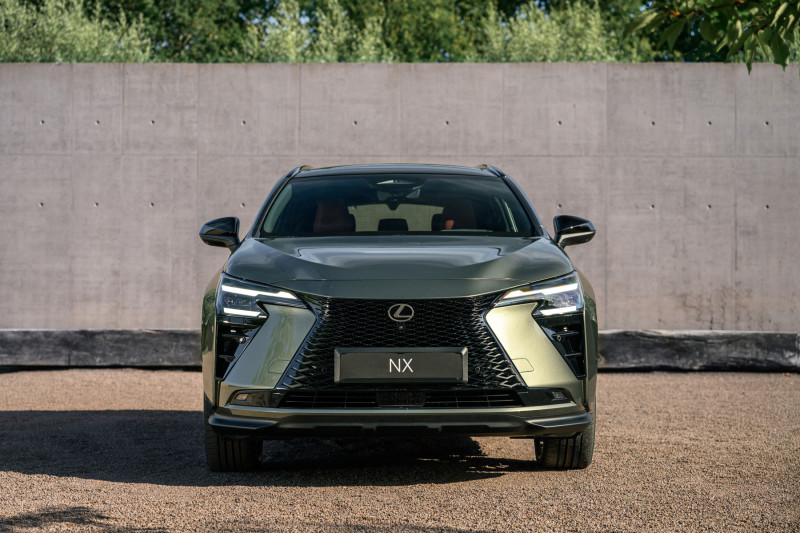
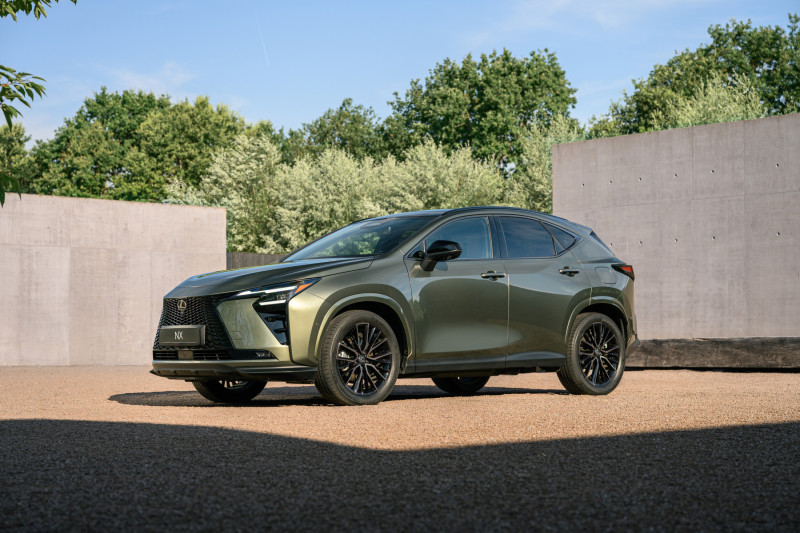
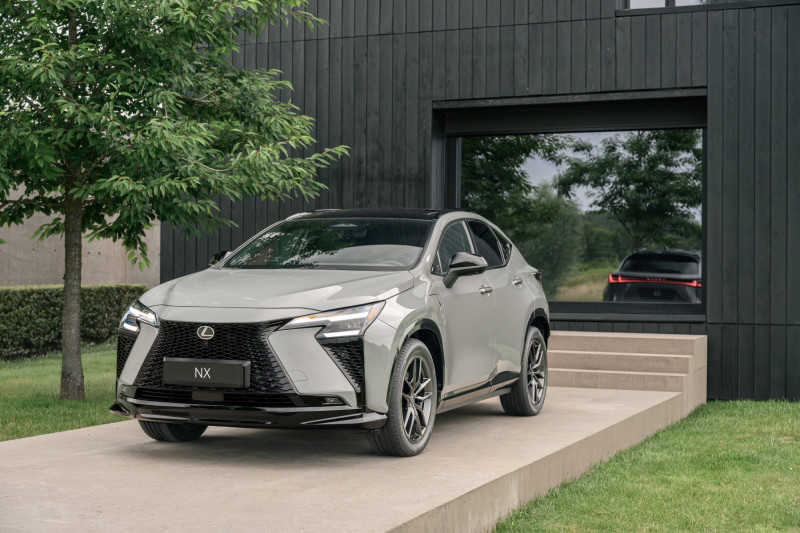
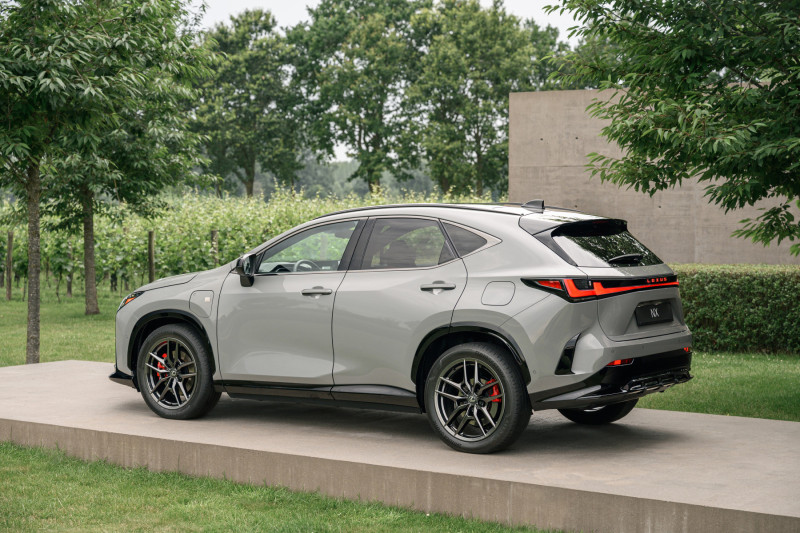
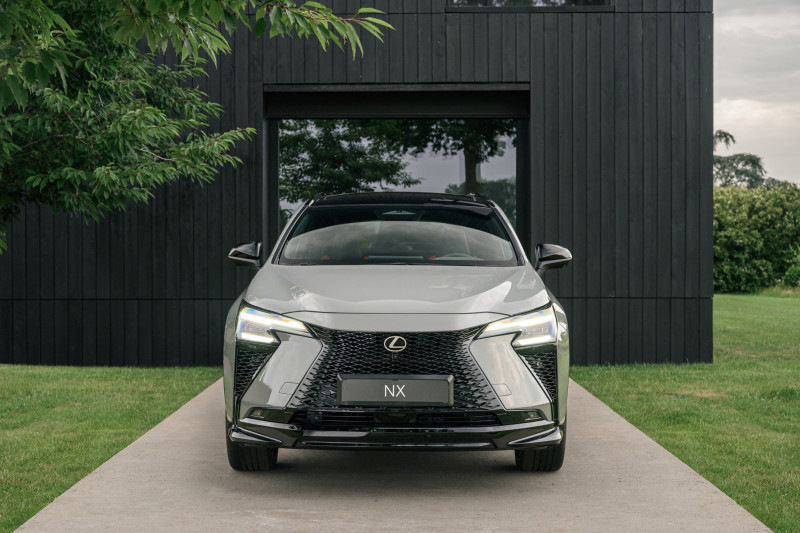
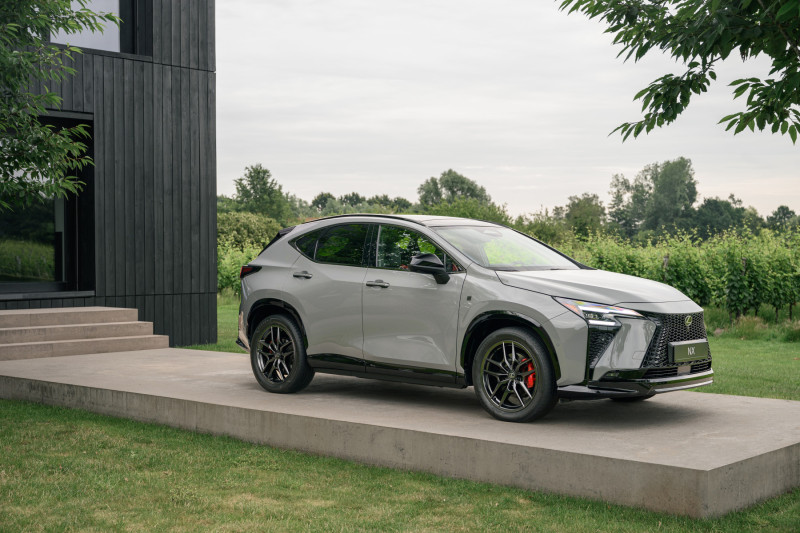
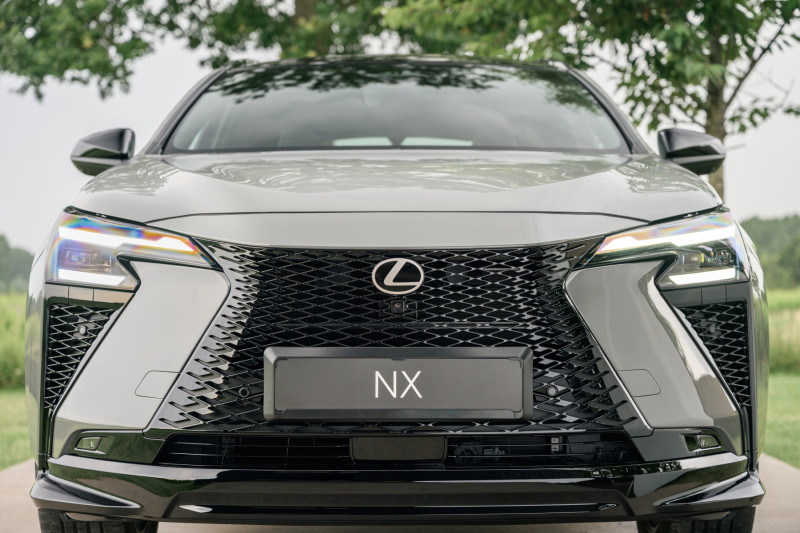
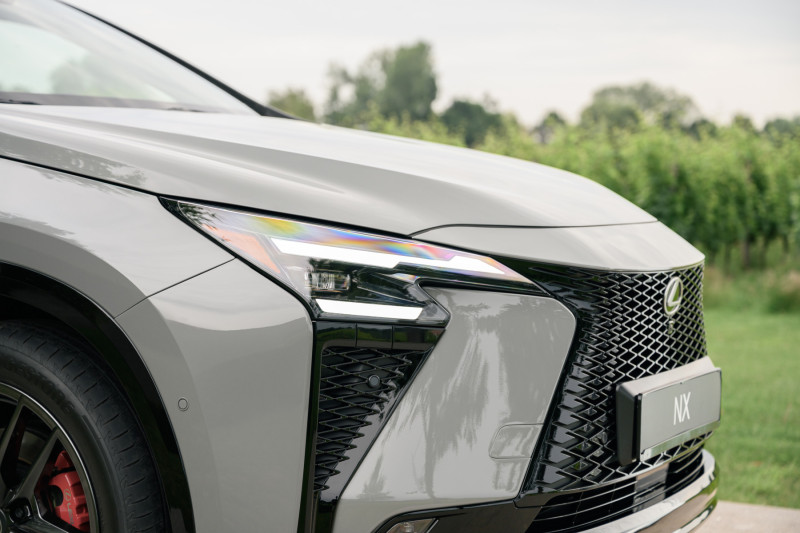
Visual changes to the exterior serve both aesthetic and aerodynamic functions while preserving the brand’s established design language. The signature spindle grille has been evolved into a new frameless design that blends seamlessly with the bodywork. The grille mesh now integrates directly with restyled “all-weather” headlamp units, fitted as standard across all models. These units incorporate an Adaptive High-beam System, cornering lights, and cleaners, along with slim upper daytime running lights and parallel bar turn indicators.
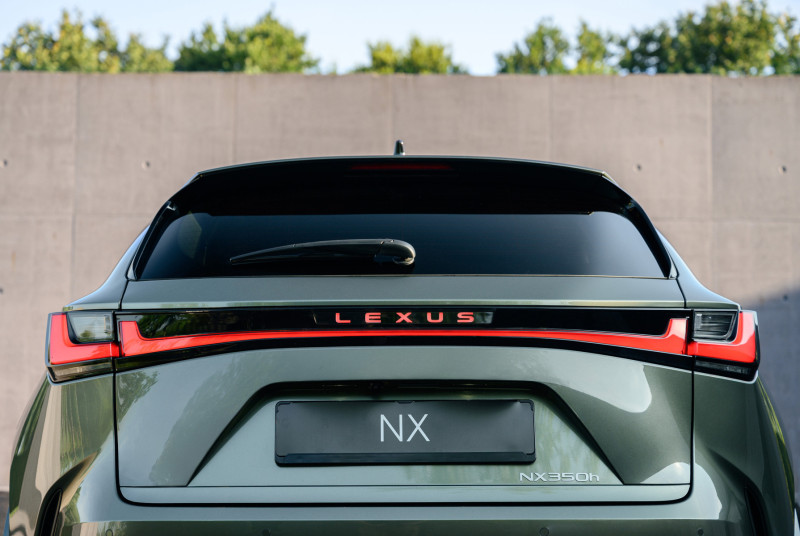
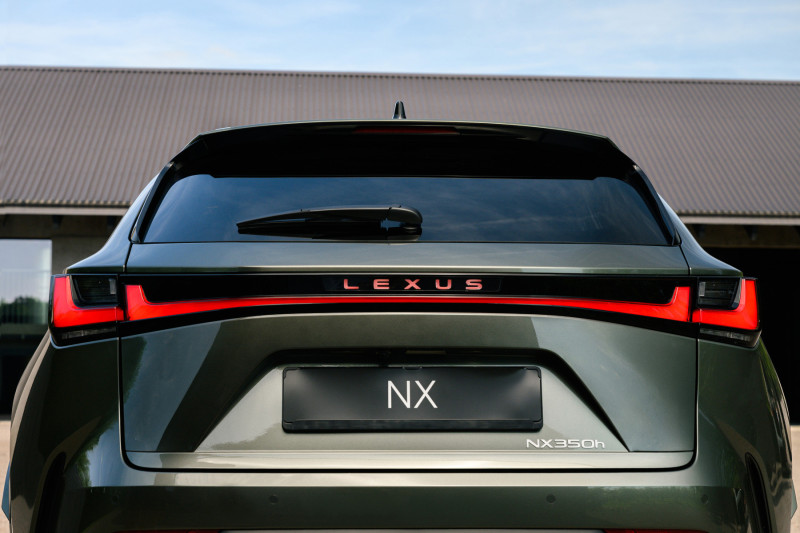
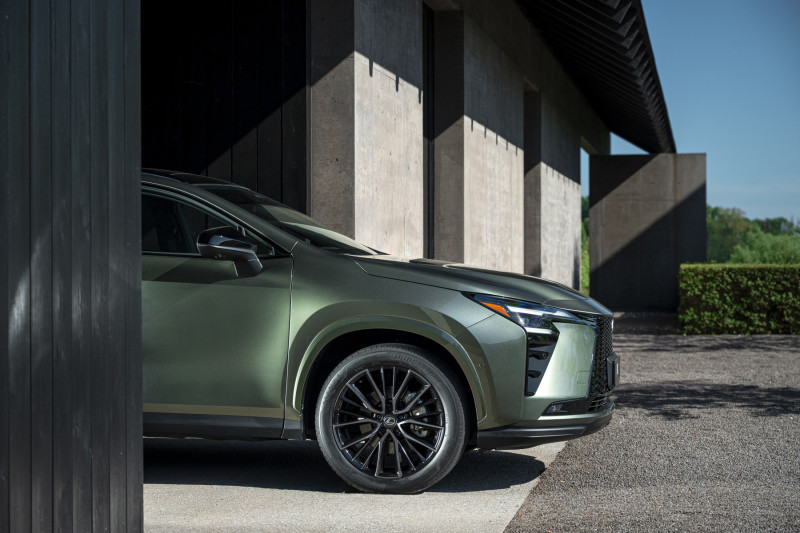
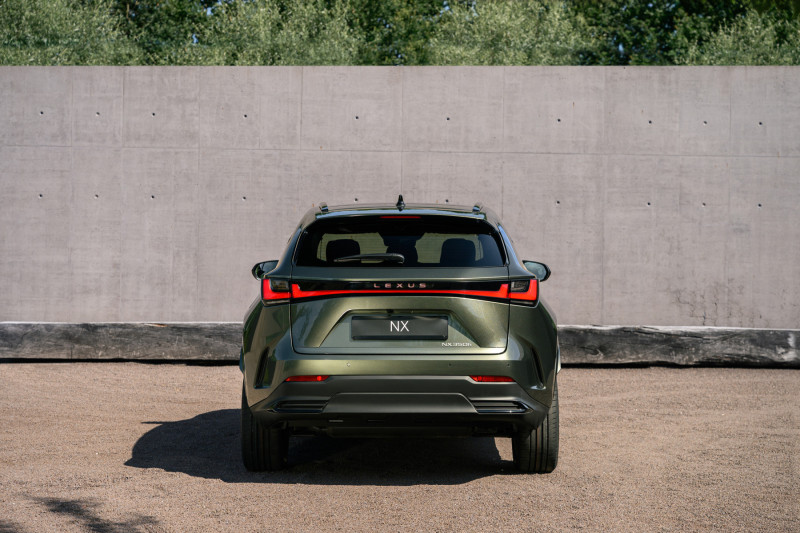
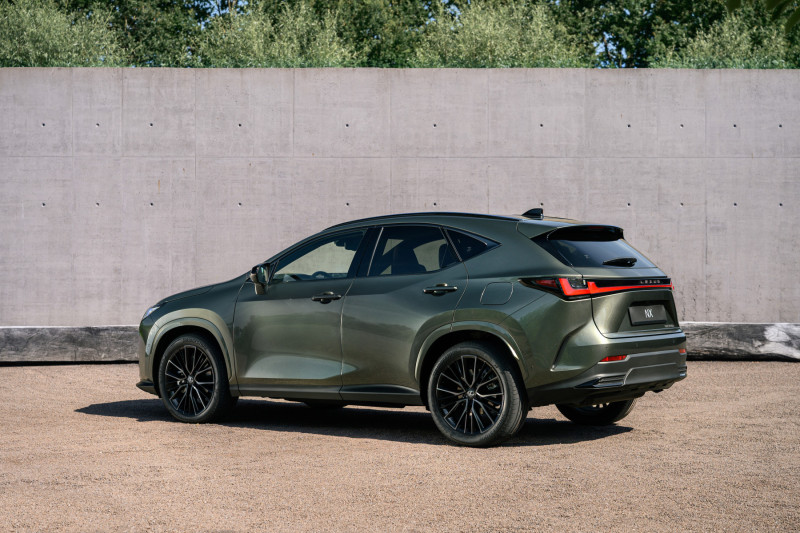
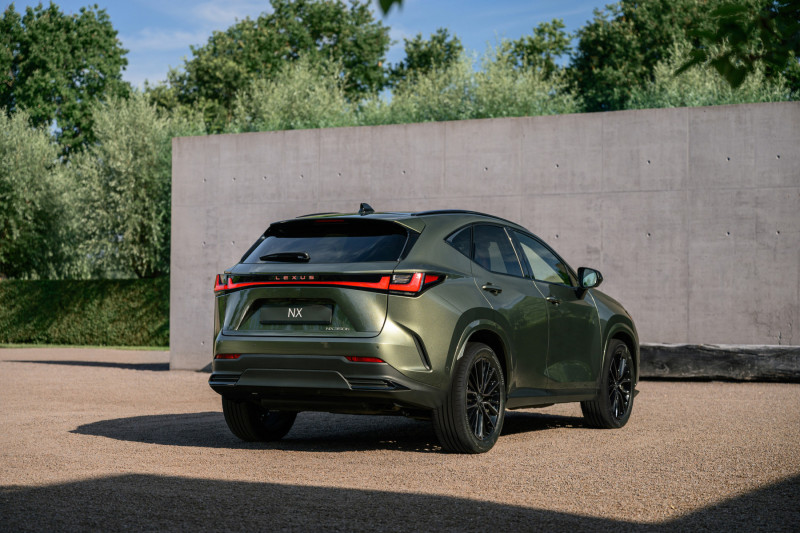
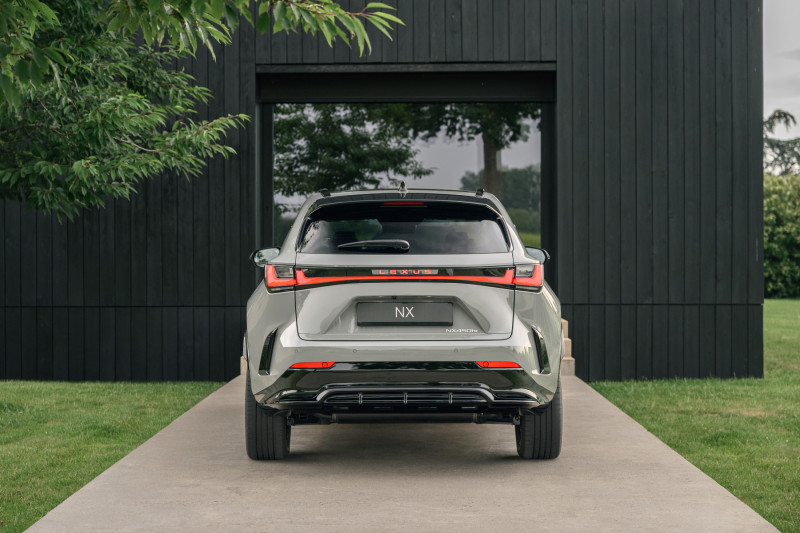
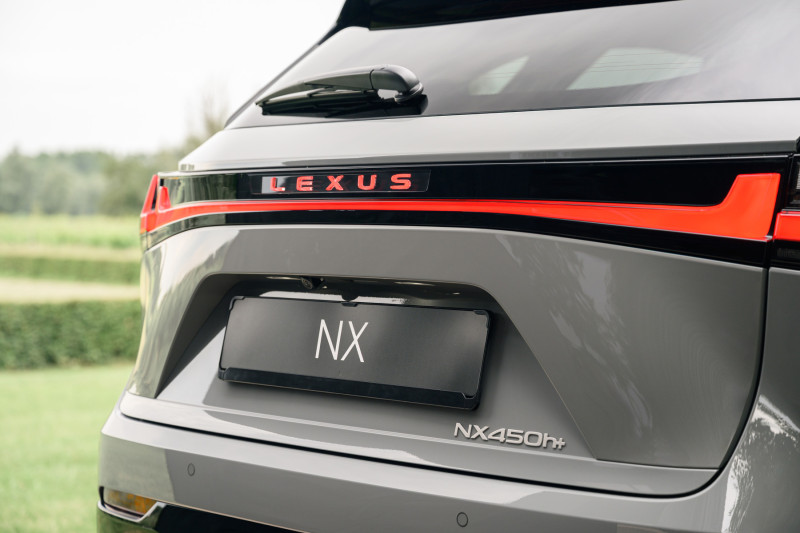
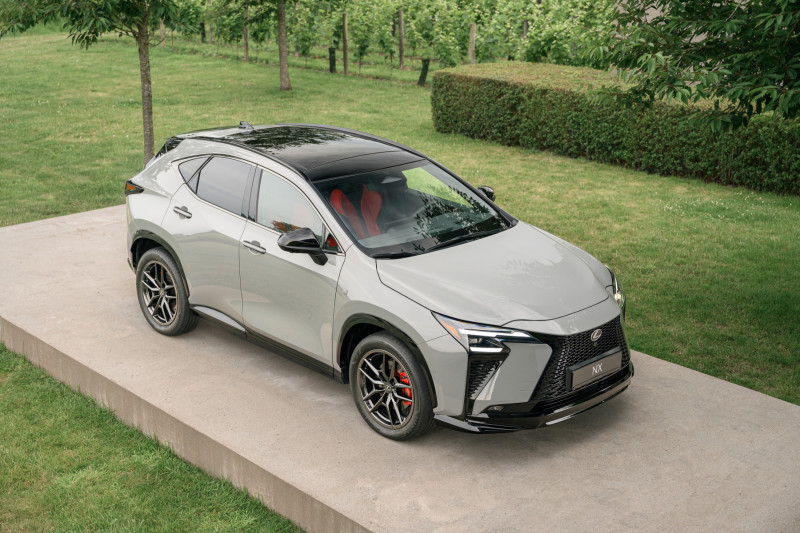
Functional aerodynamic revisions have been directed toward high-speed airflow management around the wheels. The front bumper channels incorporate stiffer ducting that routes air cleanly around the outer face of the front tyres to improve directional stability. At the rear, wheel arch vents extract turbulent air from within the wheel housings, reducing aerodynamic lift over the rear axle. The rear visual signature is updated with an illuminated central corporate script across the tailgate, bridged by a new lighting arrangement presenting the tail and stop lights in a repeated L-motif. New exterior paint options include Sonic Tellus (a khaki green) and Titanium Carbide Grey (exclusive to F SPORT). Notably, Lexus has eliminated bright chrome details on all models, opting instead for a smoked finish on alloy wheels and a predominantly dark finish on door mirrors and body mouldings.
Interior Architecture and Cabin Technology
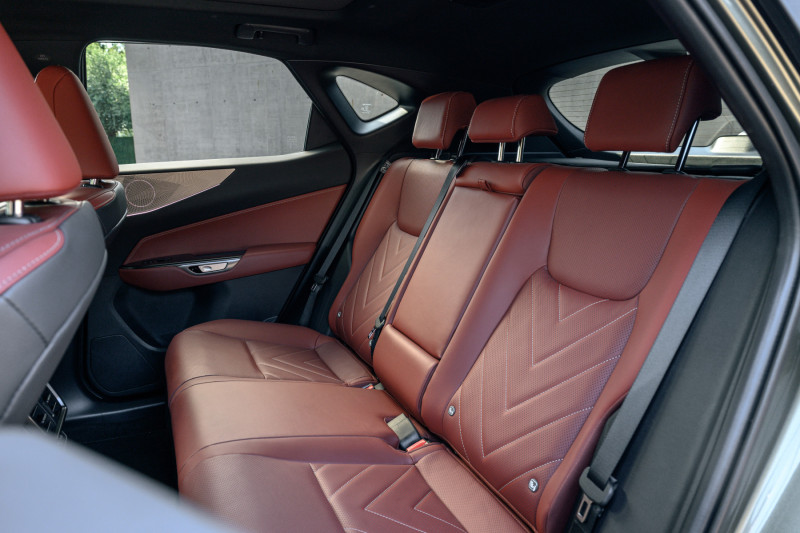
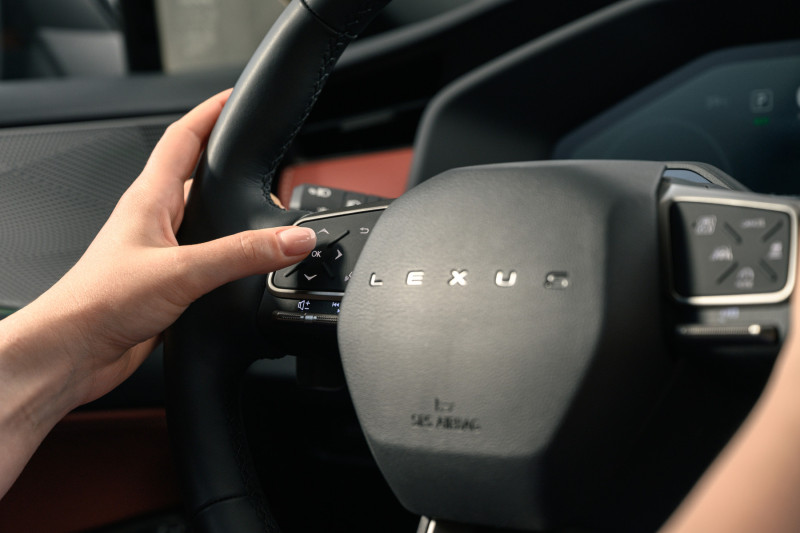
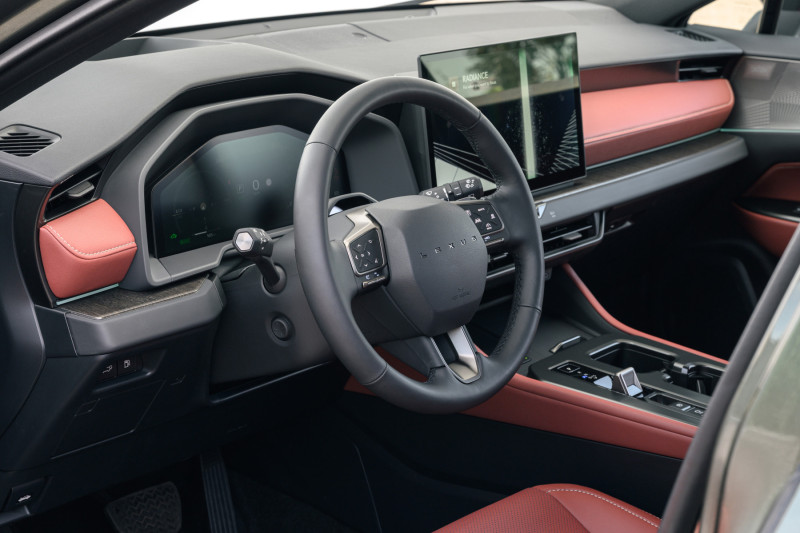
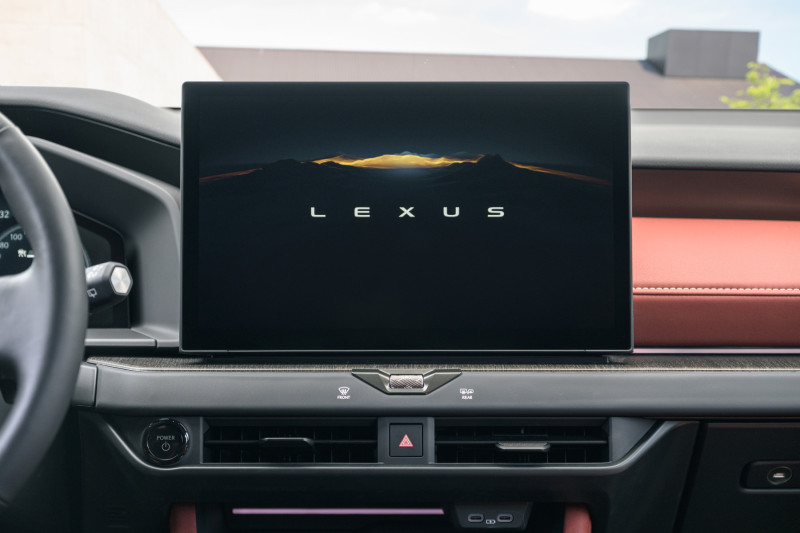
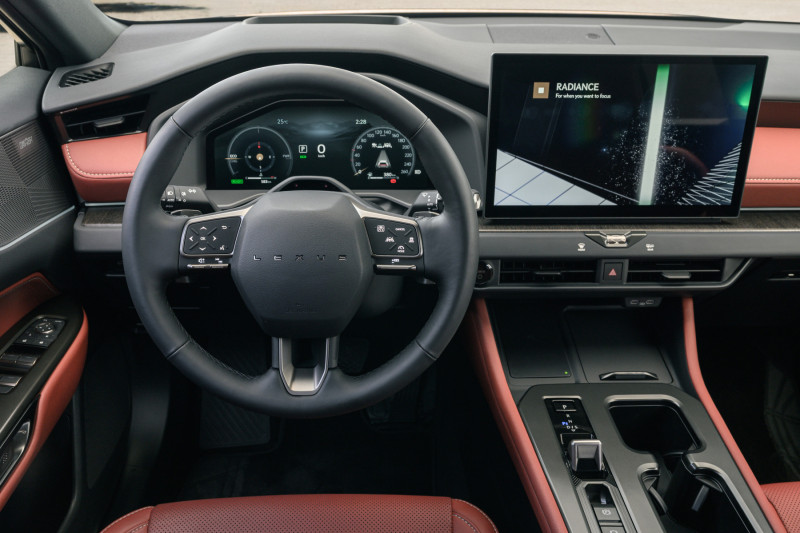
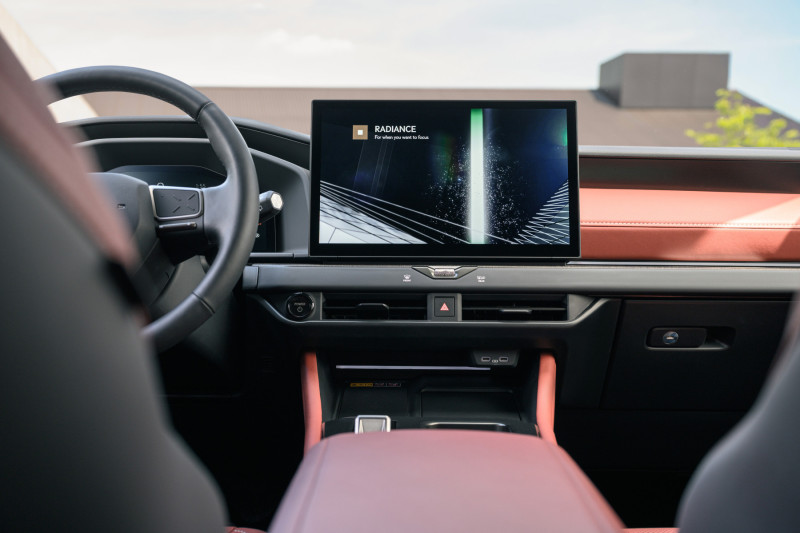
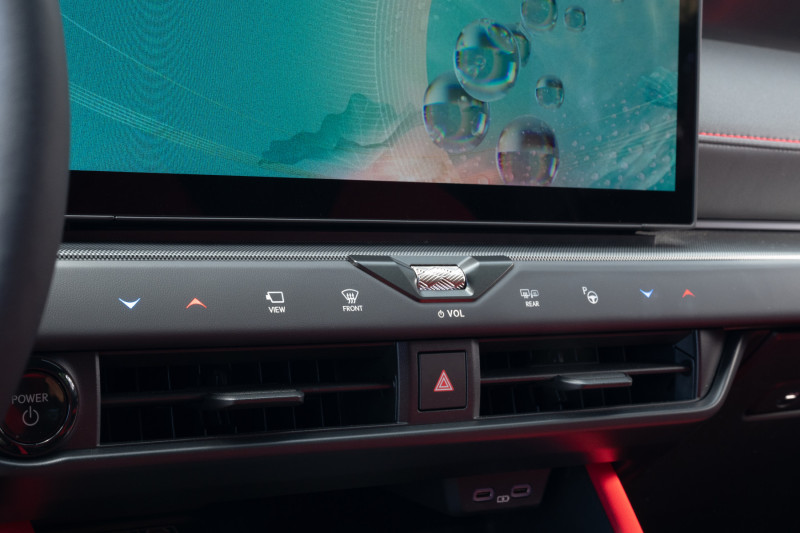
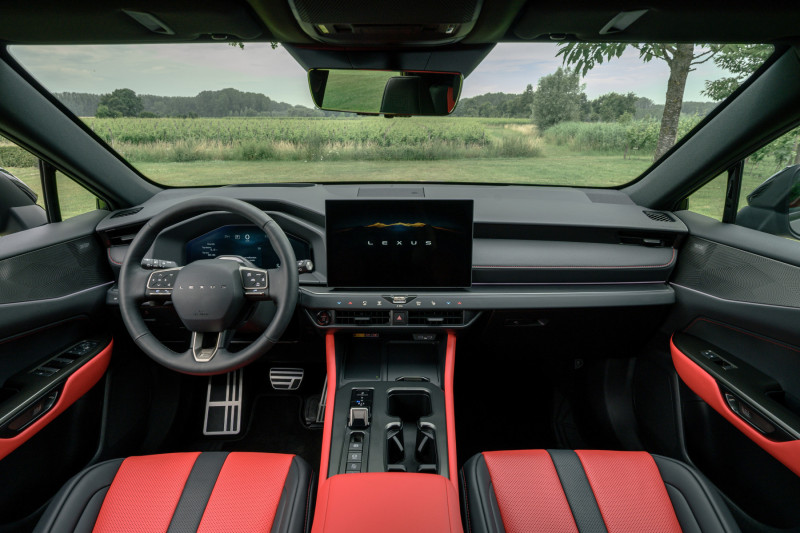
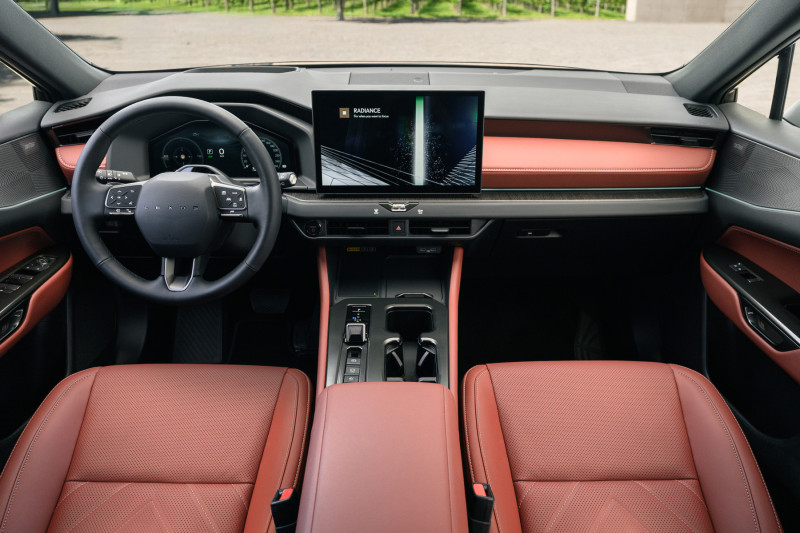
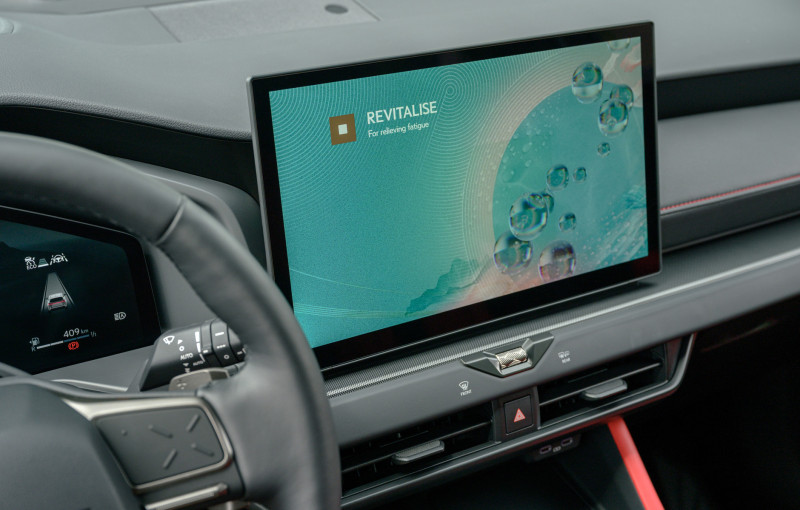
The cabin layout adopts the design direction established by the latest ES saloon, focusing on clean horizontal surfacing and an updated digital user interface. The primary driver display has been upgraded to a standard 12.3-inch digital combimeter, positioned behind a steering wheel that is 10 millimetres smaller in diameter and offers an expanded reach adjustment range. The central dashboard features a new 14-inch touchscreen display, set on the same axis as the combimeter to minimise eye movement. Beneath the screen, the previous physical climate control dials have been replaced by Lexus’ Responsive Hidden Switches—flush capacitive switches that illuminate as the driver approaches and provide physical feedback when touched.
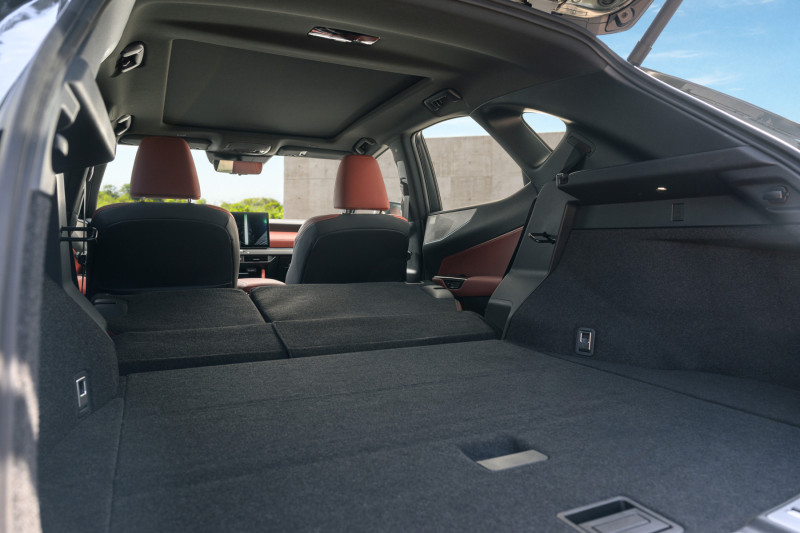
Storage capacity within the central console has been expanded following the relocation of the 12-volt auxiliary battery, an adjustment that also frees up 26 litres of additional space beneath the rear luggage floor. The updated crossover introduces several active convenience and driver assistance features under the latest generation Lexus Safety System +, which is standard on all models:
- A camera-based driver attention monitoring system that can bring the vehicle to a controlled stop within its lane if health incapacitation is detected.
- Enhanced lane keeping assist that identifies roadside barriers, kerbs, and utility poles when painted road markings are faded or absent.
- Blind spot monitoring sensors calibrated to detect approaching motorcyclists and pedal cyclists during lane changes and door opening.
- A surround-view camera system providing 3D peripheral rendering alongside a transparent underfloor chassis view for parking.
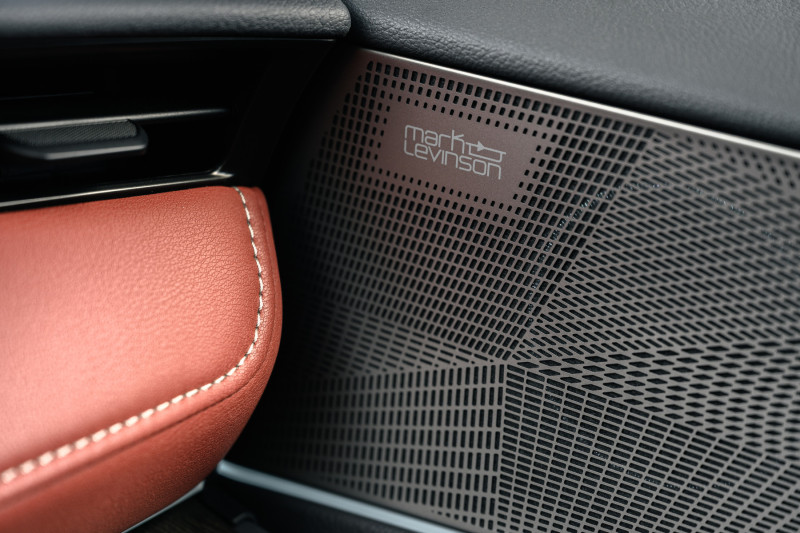
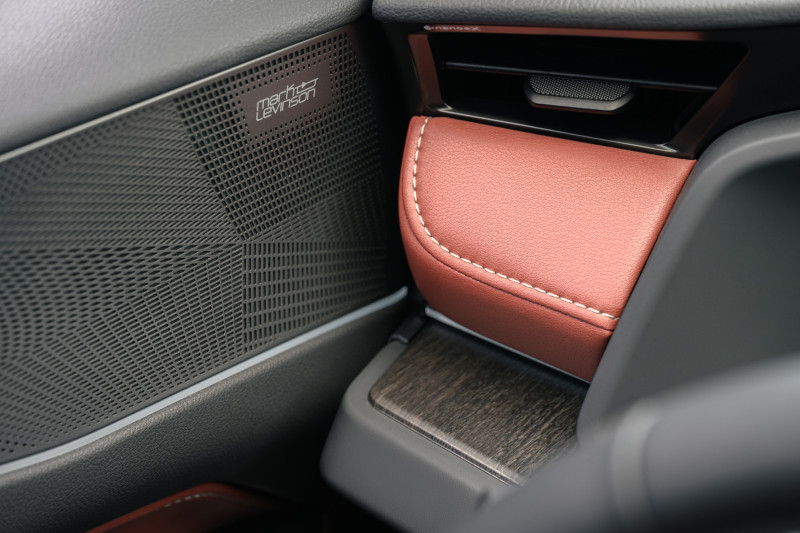
Audio options continue to include a Mark Levinson 17-speaker premium sound system, now fitted with metallic speaker grilles accompanied by integrated ambient lighting rings. These lighting elements tie into the newly introduced Sensory Concierge system, standard on high grades. This system synchronises cabin illumination (with 50 different tones), climate settings, seat temperature regulation, and a three-cartridge fragrance dispenser (developed with Givaudan) across three automated comfort modes designated as Inspire, Radiance, and Revitalise. The interior also features new material choices, including Forged Bamboo on Business and Executive grades, which contains 55% bio-material, ensuring unique textures for each vehicle.
Malaysian Market Context and Regional Availability
In Malaysia, Lexus vehicles are distributed as fully imported, completely built-up units from Japan by Lexus Malaysia, an operating division of UMW Toyota Motor. The current domestic line-up consists of the NX 350h Luxury, which was introduced to local showrooms priced from RM395,888, and the performance-oriented NX 350 F Sport, priced from RM415,888. Because the global update completely eliminates the 2.4-litre turbocharged petrol engine powering the current NX 350 F Sport, any future local introduction of the facelifted range will inevitably transition the Malaysian line-up into an exclusively hybrid portfolio.
This shift aligns with broader automotive policy trends in Malaysia, where luxury car buyers are increasingly presented with electrified options from competing European manufacturers. In the local premium compact crossover category, the NX competes against established rivals such as the BMW X3, the Mercedes-Benz GLC, and the Volvo XC60. While several competitors offer locally assembled plug-in hybrid options that benefit from domestic tax structures, the fully imported status of the Lexus NX leaves its eventual local pricing subject to import and excise duties. The new NX will be introduced in Europe from early spring 2027, with pre-sales starting from autumn 2026. A timeline for its introduction in Malaysia has yet to be officially confirmed.