 Zakirin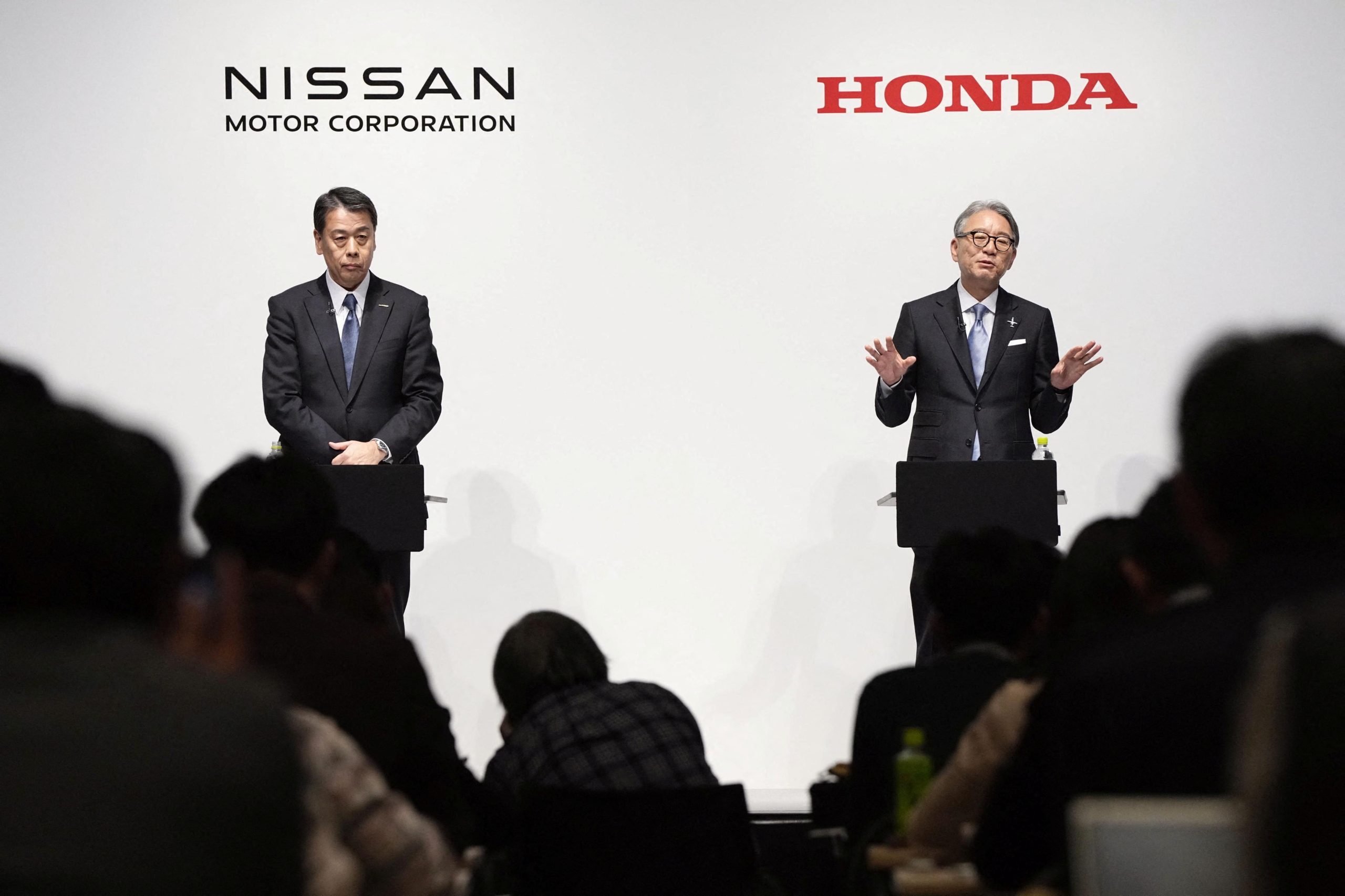
Honda Motor Co., Ltd. and Nissan Motor Co., Ltd. have executed a joint development agreement to standardise core electronic control units (ECUs) and operating software for next-generation software-defined vehicles (SDVs), targeting initial application in production models beginning in fiscal year 2029.
- Honda and Nissan formalise an agreement to co-develop standardised ECUs, vehicle operating systems, middleware, and control software for next-generation SDVs.
- The shared electrical and electronic (E/E) architecture is scheduled for implementation in production models starting from fiscal year 2029 (commencing 1 April 2029).
- The technical partnership builds on joint research initiated in August 2024, with alliance partner Mitsubishi Motors currently evaluating potential participation.
Under the terms of the agreement, both Japanese automakers will establish common technical specifications for core ECUs integrated into their next-generation electrical and electronic (E/E) architectures.The engineering collaboration encompasses both high-performance central computers and distributed zone ECUs, alongside the foundational in-vehicle operating systems (OS), middleware stacks, and base vehicle control software.
| Collaboration Area | Technical & Operational Details |
| Target Implementation | Fiscal Year 2029 (FY2029) onward |
| Hardware Scope | High-performance main computing ECUs and localized zone ECUs |
| Software Scope | In-vehicle operating system (OS), middleware components, and vehicle control software |
| Architecture Standardisation | Unified Electrical and Electronic (E/E) platform |
| Participating Manufacturers | Honda Motor Co., Nissan Motor Co. (Mitsubishi Motors in ongoing discussions) |
| Strategic Focus | Cost sharing, accelerated R&D timelines, carbon neutrality, and zero traffic fatalities |
This agreement transitions previous basic research—first undertaken by Honda and Nissan in August 2024—into a structured development programme aimed at mass-production readiness.Although the two manufacturers ended exploratory discussions regarding a broader management merger in February 2025, their strategic partnership in vehicle intelligence and electrification has continued.Mitsubishi Motors, in which Nissan holds a major stake, is reviewing the framework and remains in active discussions regarding its potential adoption of the shared platform.
The standardisation of underlying computing hardware and software is structured to lower research and development expenditures, shorten software deployment lead times, and optimize component procurement through combined production volumes. While the core computing “brain”, communication middleware, and over-the-air (OTA) update frameworks will be shared, both companies intend to maintain independent vehicle platforms, distinctive exterior styling, and separate brand-specific digital interfaces and applications.
The joint initiative also comes amid shifting competitive pressures across global markets, where increasing software complexity and expanding offerings from Chinese and American electric vehicle manufacturers have intensified investment requirements.According to the joint announcement, pooling engineering resources in the software domain will support the automakers’ broader medium-to-long-term roadmaps, including carbon neutrality goals and vehicle safety initiatives targeting zero traffic fatalities.