 Zakirin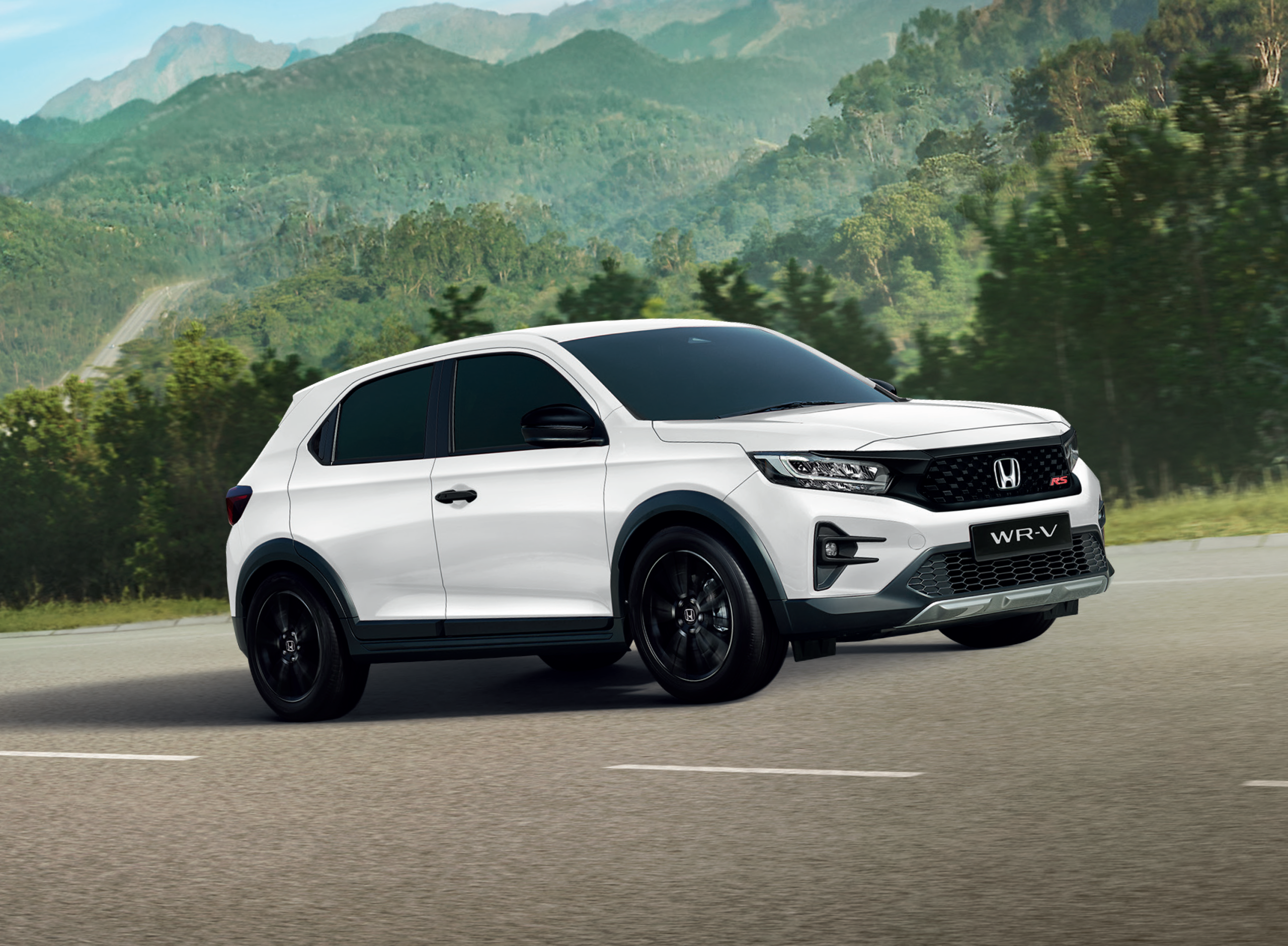
Executive Overview & Vehicle Identity
- Segment: A/B-Segment Sub-Compact Crossover / SUV (Winsome Runabout Vehicle)
- Platform Architecture: Honda Global Small Car Architecture (Advanced Compatibility Engineering – ACE Body Structure)
- Internal Generation Code: DG4
- Assembly / Origin: Pegoh, Melaka, Malaysia (CKD)
- Trim Lineup: 1.5L S, 1.5L E, 1.5L V, 1.5L RS
HONDA WR-V DOSSIER OVERVIEW
- Powertrain: 1.5L L15ZF 4-Cylinder DOHC i-VTEC (121 PS / 145 Nm)
- Transmission: Stepless Continuously Variable Transmission (CVT) with G-Design Shift Logic
- Ground Clearance: 207 mm (Class-leading rough-road ride height)
- Chassis & Body: High-Rigidity ACE Structure; MacPherson Strut Front / Torsion Beam Rear
- Active Safety: Honda SENSING Suite (Standard on E, V, RS) + Honda LaneWatch (S, V, RS)
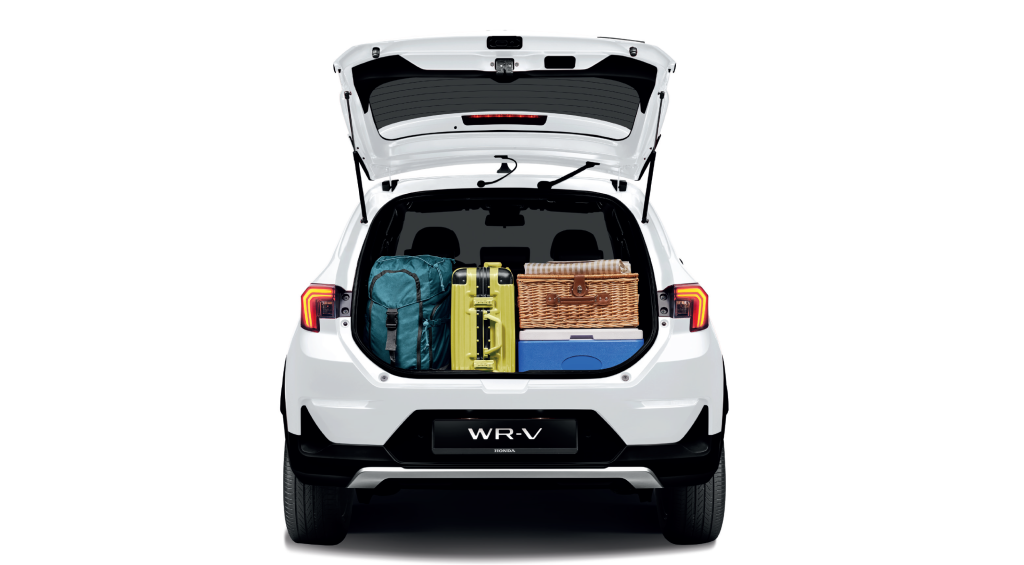
- Packaging & Practicality: 380-Litre Boot Capacity; 2,485 mm Wheelbase
1. Powertrain & Combustion Architecture
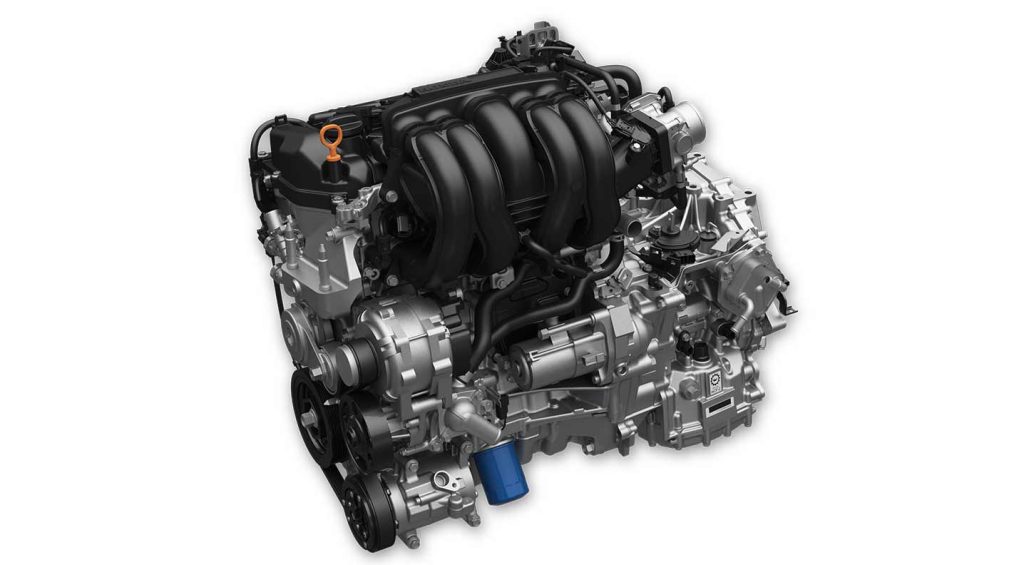
All variants across the Honda WR-V range are powered by the naturally aspirated 1.5-litre L15ZF 4-cylinder engine, utilizing an under-square geometry with Dual Overhead Camshafts and continuous variable valve timing (i-VTEC) on both intake and exhaust valves.
Powertrain Dynamics Flow:
1.5L L15ZF DOHC 16V i-VTEC (10.6:1 CR) -> 89 kW (121 PS) @ 6,600 RPM | 145 Nm @ 4,300 RPM
- Engine Code: Honda L15ZF
- Cylinder Configuration: In-line 4-cylinder, transverse front-mounted
- Displacement: 1,498 cc (1.50 Litres)
- Bore x Stroke: 73.0 mm x 89.5 mm (Under-square / long-stroke geometry)
- Bore-to-Stroke Ratio: 0.82 (Optimized for low-to-mid-range torque response)
- Compression Ratio: 10.6:1
- Valvetrain: Double Overhead Camshaft (DOHC), 4 valves per cylinder (16 valves total), timing chain driven with Variable Valve Timing and Lift Electronic Control (i-VTEC)
- Fuel Delivery: Programmed Multi-Point Electronic Fuel Injection (PGM-FI)
- Cylinder Block / Head Material: Die-cast aluminum alloy cylinder block and head
- Maximum Power Output: 89 kW (121 PS / 119 hp) @ 6,600 RPM
- Maximum Torque Output: 145 Nm (107 lb-ft) @ 4,300 RPM
- Specific Power Output: 80.77 PS/L (59.41 kW/L)
- Specific Torque Output: 96.79 Nm/L
2. Transmission & Driveline Kinematics
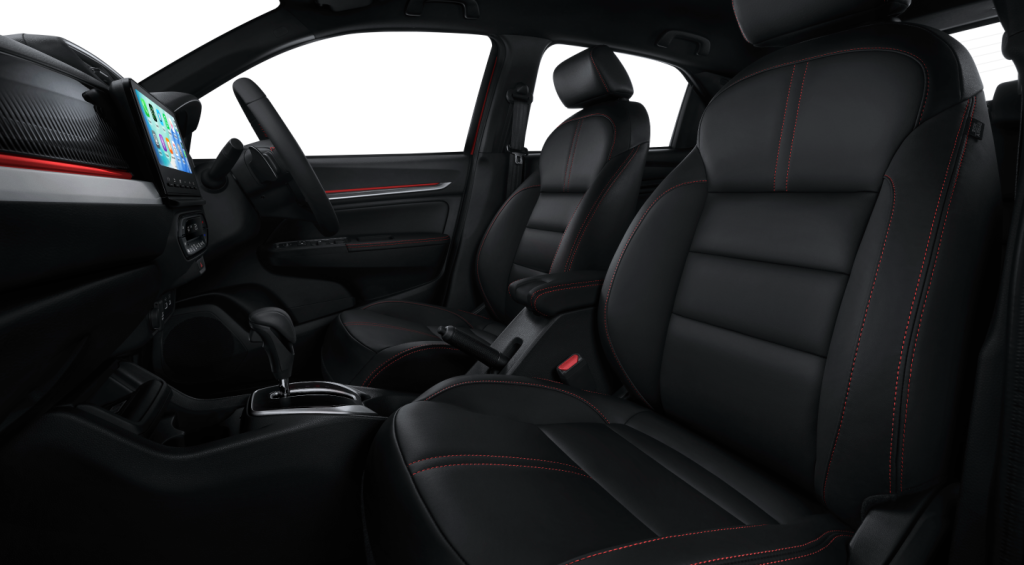
The WR-V pairs the 1.5L i-VTEC powerplant exclusively with Honda’s Stepless Continuously Variable Transmission (CVT) calibrated with G-Design Shift control for linear acceleration feel.
Drivetrain Operation:
Engine -> Hydraulic Torque Converter -> Steel Belt & Variable Pulleys -> G-Design Logic -> Front Wheels
- Transmission Type: Continuously Variable Transmission (CVT)
- Torque Transfer: Hydraulic torque converter with direct lock-up clutch mechanism
- Shift Calibration: Honda G-Design Shift logic (maintains optimal engine rev range during hard acceleration to prevent excessive CVT engine drone)
- Drivetrain Configuration: Front-Engine, Front-Wheel Drive (FF layout)
- Manual Control: Steering-mounted paddle shifters featuring 7 virtual stepped shift ratios (Exclusive to RS trim)
3. Chassis, Suspension & Dynamic Hardware
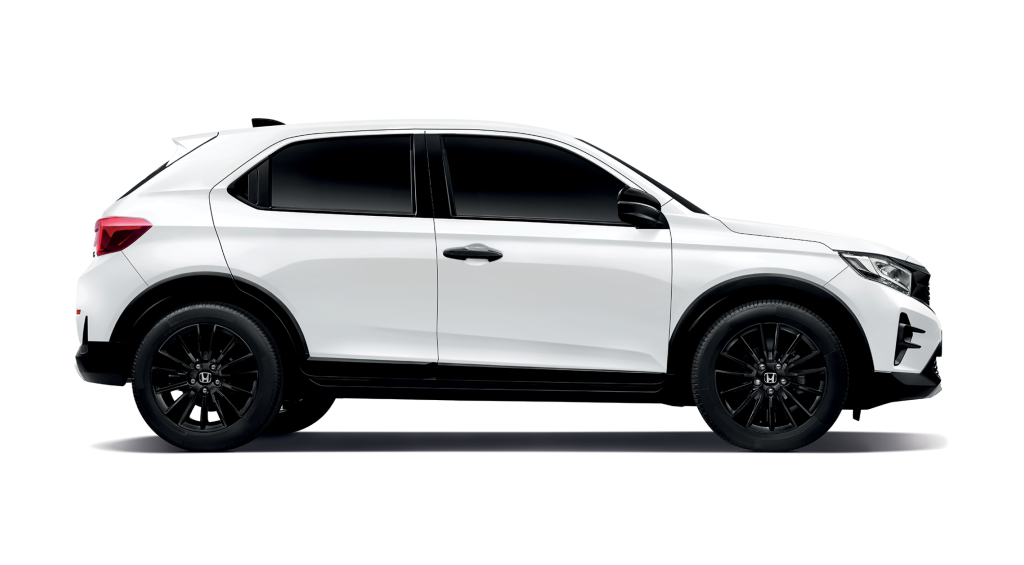
The WR-V is engineered with an elevated SUV stance, combining high ground clearance with tuned roll-center geometry for urban agility and rough-road clearance.
| Subsystem | S / E Variants | V Variant | RS Variant |
| Front Suspension | MacPherson Strut with stabilizer bar | MacPherson Strut with stabilizer bar | MacPherson Strut with stabilizer bar |
| Rear Suspension | Torsion Beam axle with coil springs | Torsion Beam axle with coil springs | Torsion Beam axle with coil springs |
| Front Brakes | Ventilated Disc Brakes | Ventilated Disc Brakes | Ventilated Disc Brakes |
| Rear Brakes | Leading-Trailing Mechanical Drums | Leading-Trailing Mechanical Drums | Leading-Trailing Mechanical Drums |
| Parking Brake | Manual Cable Handbrake | Manual Cable Handbrake | Manual Cable Handbrake |
| Steering System | Electric Power Steering (EPS) | Electric Power Steering (EPS) | Electric Power Steering (EPS) |
| Turning Radius | 5.2 metres | 5.2 metres | 5.2 metres |
| Ground Clearance | 207 mm | 207 mm | 207 mm |
| Wheel Fitment | 16″ Alloy Wheels | 16″ Alloy Wheels | 17″ Two-Tone Alloys |
| Factory Tires | 215/60 R16 (Goodyear) | 215/60 R16 (Goodyear) | 215/55 R17 (Continental UC6) |
| Spare Wheel | 16″ Steel Spare Wheel | 16″ Steel Spare Wheel | 16″ Steel Spare Wheel |
4. Dimensions, Weights & Packaging
       ◄──────────────────── 4,060 mm (Length) ────────────────────►
       ┌───────────────────────────────────────────────────────────┐ ▲
       │  [High-H-Point Seating]          [380L Luggage Space]     │ │ 1,576–1,608 mm
       └──────┬────┬───────────────────────────────────┬────┬───────┘ ▼
              │    │◄─────── 2,485 mm (Wheelbase) ────►│    │
- Overall Length: 4,060 mm
- Overall Width: 1,780 mm
- Overall Height: 1,576 mm (S Variant) / 1,608 mm (E, V, RS with Roof Rails)
- Wheelbase: 2,485 mm
- Track Width (Front / Rear): 1,540 mm / 1,540 mm
- Ground Clearance: 207 mm
- Fuel Tank Capacity: 35 Litres
- Boot Capacity (VDA Standard): 380 Litres (Expandable via 60:40 split-folding rear seats)
- Kerb Weight Breakdown:
- 1.5L S: 1,108 kg
- 1.5L E: 1,111 kg
- 1.5L V: 1,125 kg
- 1.5L RS: 1,145 kg
5. In-Depth Variant Hierarchy & Differences
Variant Progression:
1.5L S (Entry) -> 1.5L E -> 1.5L V -> 1.5L RS (Flagship)
1. Honda WR-V 1.5L S
- Drivetrain: 1.5L DOHC i-VTEC (121 PS / 145 Nm) + CVT.
- Exterior: Halogen reflector headlamps, bulbed front turn indicators, LED taillights, body-coloured front grille, body-coloured power-adjustable side mirrors (manual fold), micro pole antenna, 16-inch alloy wheels (215/60 R16).
- Cockpit: Urethane multifunction steering wheel with tilt adjustment, analogue instrument dials with monochrome LCD trip display, black fabric seats, manual climate control, fabric center armrest, smart entry with push-start button.
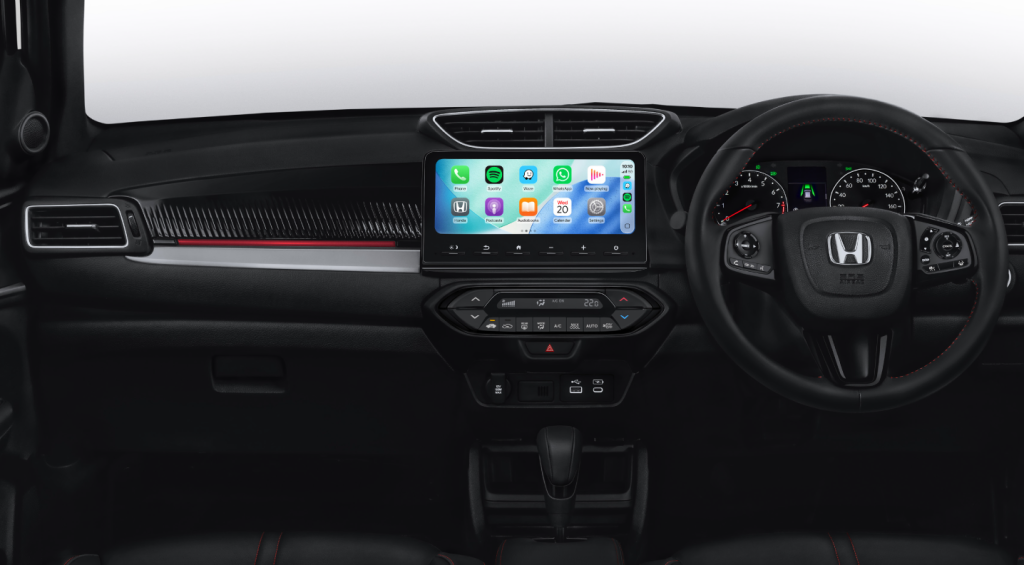
- Infotainment: 7.0-inch Display Audio touchscreen with Apple CarPlay and Android Auto compatibility, 2 speakers, 2x front USB ports, Bluetooth hands-free.
- Safety Suite: 4 SRS Airbags (Front and side thorax), Vehicle Stability Assist (VSA), ABS with EBD and Brake Assist (BA), Hill Start Assist (HSA), Emergency Stop Signal (ESS), Honda LaneWatch Camera (LWC) blind-spot system, dual rear parking sensors, and multi-angle reverse camera. (Note: Honda SENSING is not equipped on S).
2. Honda WR-V 1.5L E
- Upgrades over 1.5L S:
- Full Honda SENSING Active Safety Suite:
- Forward Collision Warning (FCW) & Collision Mitigation Braking System (CMBS / AEB)
- Lane Departure Warning (LDW) & Road Departure Mitigation (RDM)
- Lane Keeping Assist System (LKAS)
- Adaptive Cruise Control (ACC)
- Auto High Beam (AHB)
- Lead Car Departure Notification System (LCDN)
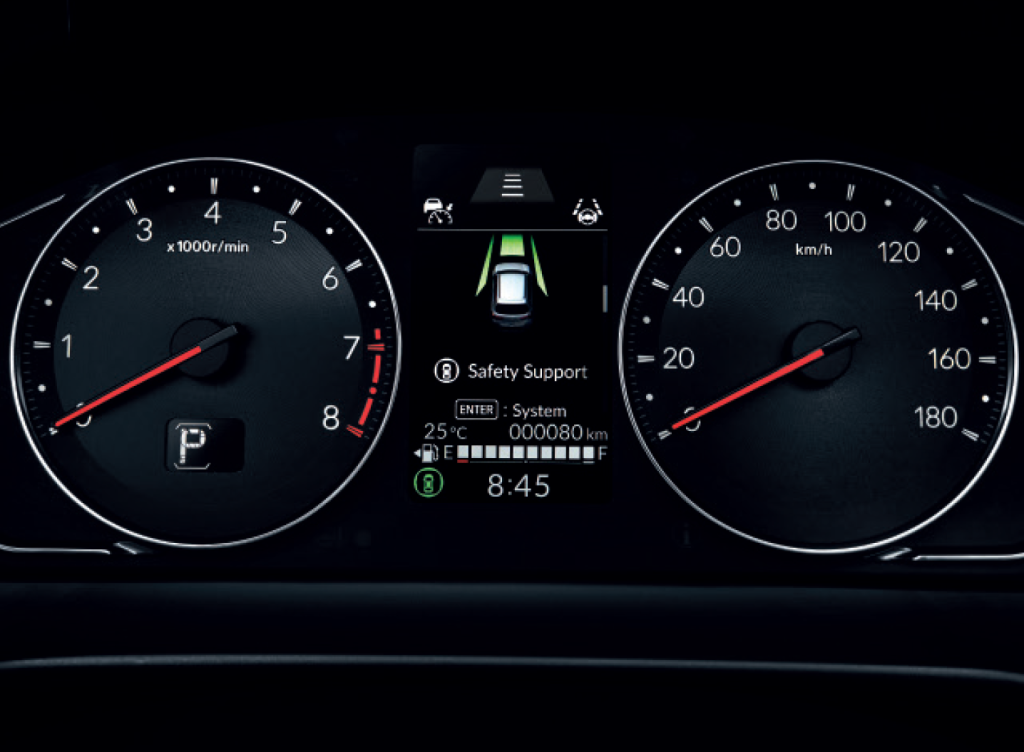
- Cockpit Tech & Displays:4.2-inch TFT full-colour multi-info display in instrument cluster.
- Access & Convenience: Remote Engine Start (via smart key fob), Walk-Away Auto Lock function.
- Exterior: Shark fin antenna.
- Audio Setup: Upgraded from 2 to 4 speakers.
- (Note: E variant omits Honda LaneWatch in favour of standard SENSING package).
- Full Honda SENSING Active Safety Suite:
3. Honda WR-V 1.5L V
- Upgrades over 1.5L E:
- Passive Safety: Upgraded to 6 SRS Airbags (adding full-length side curtain airbags).
- Driver Visibility: Re-introduces the Honda LaneWatch Camera (LWC) blind-spot system.
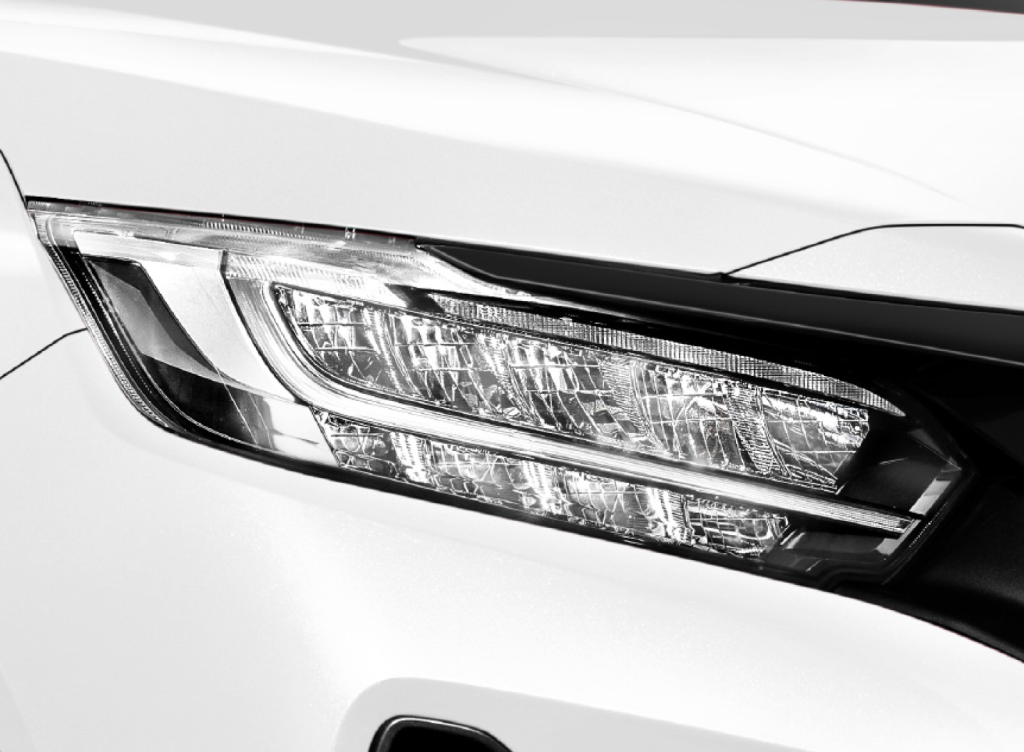
- Exterior Lighting:Full LED headlights, LED Daytime Running Lights (DRLs), LED front fog lamps, and LED front turn signals.
- Exterior Convenience: Power-retractable auto-folding side mirrors.
- Interior Luxury & Comfort: Leather-wrapped steering wheel, leather/fabric combination upholstery with blue contrast stitching, leather-covered center armrest, rear seat center armrest, and single-zone automatic climate control.
4. Honda WR-V 1.5L RS (Range-Topping Flagship)
- Upgrades over 1.5L V:
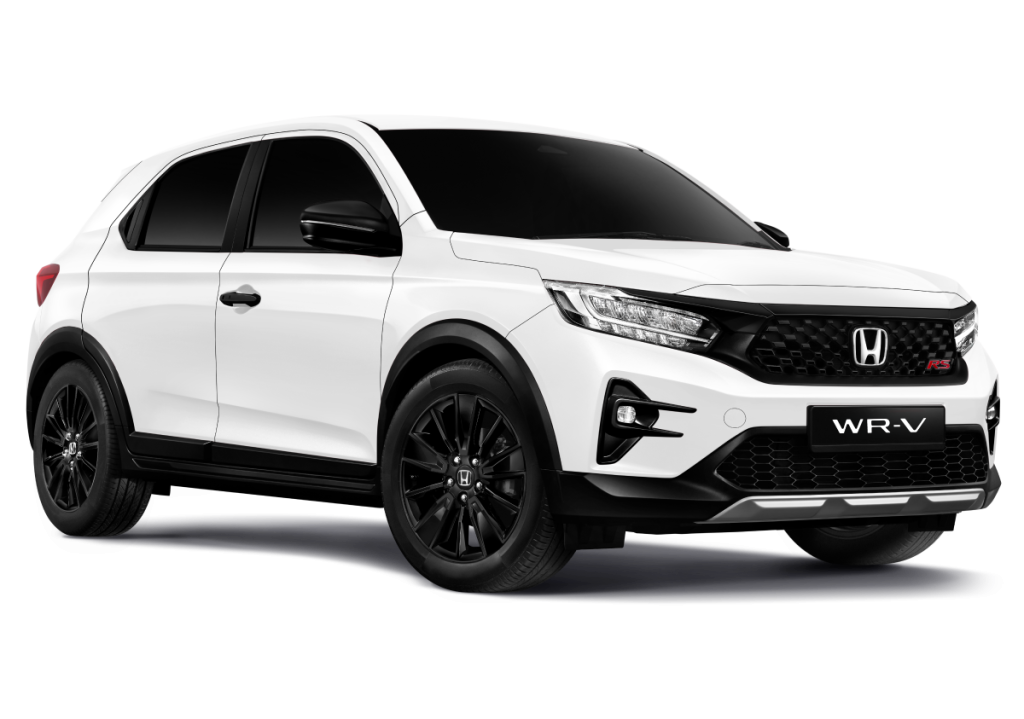
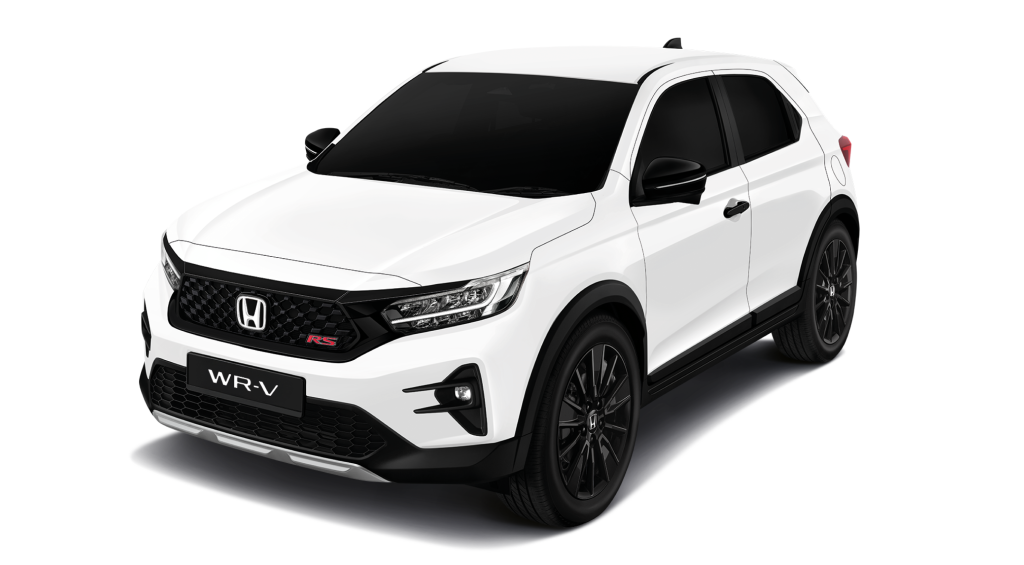
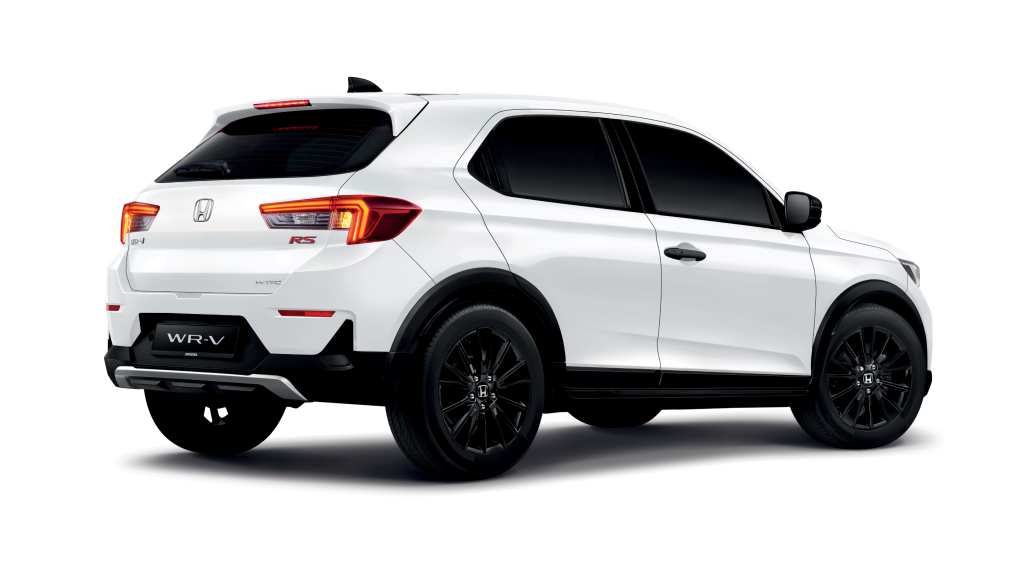
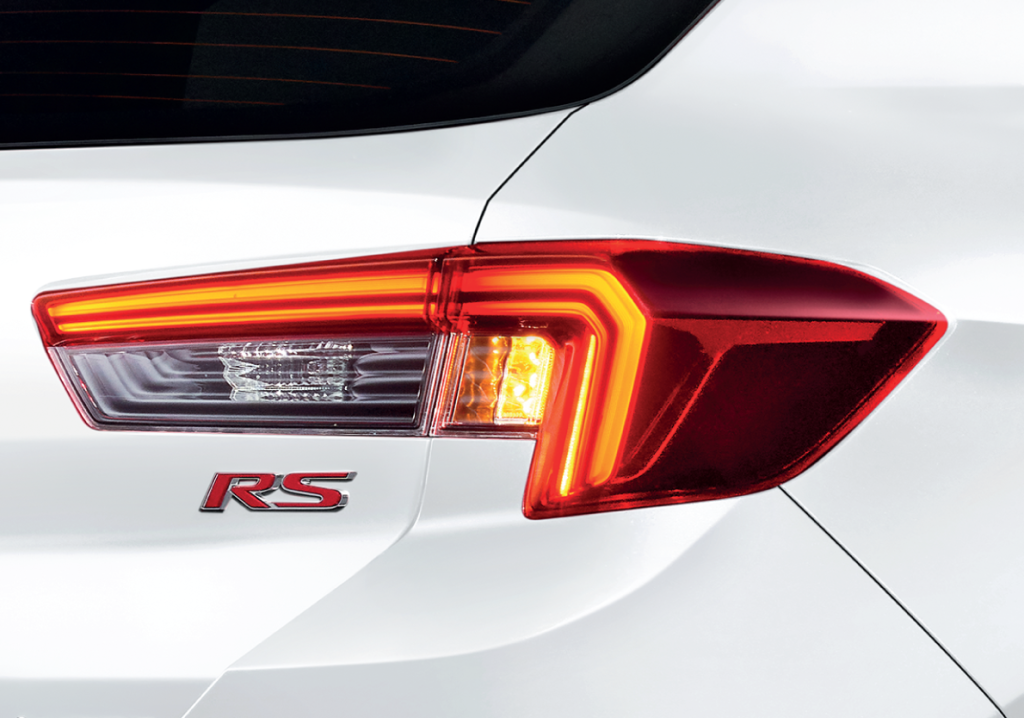
- RS Dynamic Styling Package: Chrome chequered pin front grille with RS emblem, front bumper silver skid plate garnish, rear bumper lower aero garnish, and side sill cladding.
- Lighting Tech:Front LED sequential turn indicators.
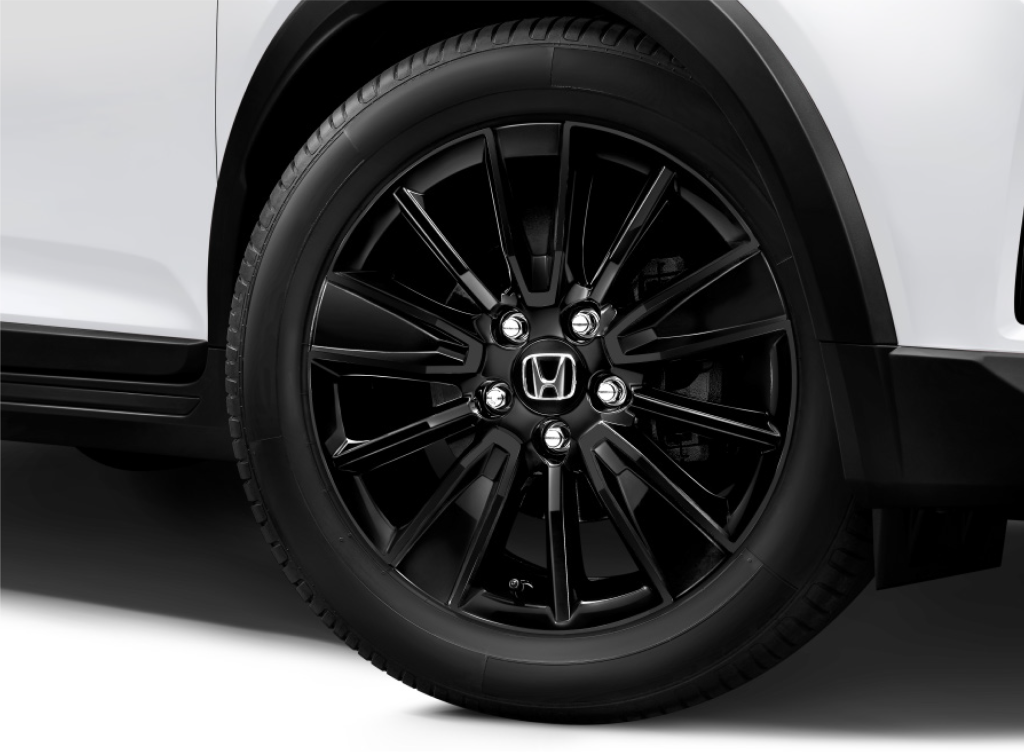
- Wheels & Footwear: Upgraded to larger 17-inch two-tone machine-finished alloy wheels with wider 215/55 R17 Continental UltraContact UC6 tires.
- Transmission Control: Steering-mounted paddle shifters (7 virtual ratios).
- Cabin Aesthetics & Luxury: Leather/fabric combination upholstery with red contrast stitching, red-stitched leather steering wheel, black headliner, red instrument cluster needles, and sports aluminum pedals.
- Audio Setup: Upgraded to a 6-speaker sound system (adds 2 A-pillar tweeters).
- Telematics: Standard Honda CONNECT smartphone telematics app integration (geo-fencing, vehicle health, emergency e-call, remote start).
6. Comprehensive Variant Spec Matrix
| Feature / Hardware Spec | 1.5L S | 1.5L E | 1.5L V | 1.5L RS |
| Engine Configuration | 1.5L i-VTEC (121 PS) | 1.5L i-VTEC (121 PS) | 1.5L i-VTEC (121 PS) | 1.5L i-VTEC (121 PS) |
| Transmission Type | Stepless CVT | Stepless CVT | Stepless CVT | Stepless CVT |
| Paddle Shifters | No | No | No | Yes (7-Speed) |
| Wheel & Tire Spec | 16″ Alloy (215/60 R16) | 16″ Alloy (215/60 R16) | 16″ Alloy (215/60 R16) | 17″ Two-Tone (215/55 R17) |
| Ground Clearance | 207 mm | 207 mm | 207 mm | 207 mm |
| Headlights / DRL | Halogen / No | Halogen / No | Auto LED + LED DRL | Auto LED + LED DRL |
| Front Turn Indicators | Bulb | Bulb | LED | Sequential LED |
| Side Mirrors | Power Adjust | Power Adjust | Auto-Retractable | Auto-Retractable |
| Remote Engine Start | No | Yes | Yes | Yes |
| Walk-Away Auto Lock | No | Yes | Yes | Yes |
| Instrument Cluster | Analogue + LCD | 4.2″ TFT Colour MID | 4.2″ TFT Colour MID | 4.2″ TFT (Red Needles) |
| Climate Control | Manual Dials | Manual Dials | Single-Zone Auto | Single-Zone Auto |
| Upholstery | Black Fabric | Black Fabric | Leather/Fabric (Blue Stitch) | Leather/Fabric (Red Stitch) |
| Speakers | 2 Speakers | 4 Speakers | 4 Speakers | 6 Speakers |
| Airbags | 4 Airbags | 4 Airbags | 6 Airbags | 6 Airbags |
| Honda SENSING Suite | No | Yes | Yes | Yes |
| LaneWatch Camera | Yes | No | Yes | Yes |
| Honda CONNECT App | No | No | No | Standard |
| Kerb Weight | 1,108 kg | 1,111 kg | 1,125 kg | 1,145 kg |
7. Performance, Benchmarking & Certified Efficiency
Calculated Engineering Metrics
- Power-to-Weight Ratio (1.5L S): 109.20 PS / Metric Ton (80.32 kW / Ton)
- Power-to-Weight Ratio (1.5L RS): 105.67 PS / Metric Ton (77.72 kW / Ton)
- Weight-to-Power Ratio (1.5L RS): 9.46 kg / PS (12.86 kg / kW)
- Torque-to-Weight Ratio (1.5L RS): 126.63 Nm / Metric Ton
- 0–100 km/h Acceleration:
- 1.5L S / E: 11.0 seconds
- 1.5L V: 11.1 seconds
- 1.5L RS: 11.3 seconds
- Top Speed: 160 km/h (Electronically governed)
Certified Efficiency Standards
- Rated Fuel Consumption (Combined):6.0 L/100 km (16.67 km/L)
- Theoretical Cruising Range: Approximately 583 km on a full 35 L fuel tank
8. Comparative Segment Matrix: Compact Crossover Rivals
| Engineering Parameter | Honda WR-V 1.5 RS (DG4) | Perodua Ativa 1.0 AV (A270) | Chery Omoda 5 1.5T (C5) |
| Engine Configuration | 1.5L 4-Cyl NA (L15ZF) | 1.0L 3-Cyl Turbo (1KR-VET) | 1.5L 4-Cyl Turbo (SQRE4T15C) |
| Power Output | 121 PS @ 6,600 RPM | 98 PS @ 6,000 RPM | 156 PS @ 5,500 RPM |
| Torque Output | 145 Nm @ 4,300 RPM | 140 Nm @ 2,400–4,000 RPM | 230 Nm @ 1,750–4,000 RPM |
| Transmission Type | Stepless CVT (7 Virtual) | Split-Gear D-CVT | 9-Speed CVT |
| Ground Clearance | 207 mm | 200 mm | 190 mm |
| Rear Brakes | Drum Brakes | Solid Discs | Solid Discs |
| Parking Brake | Manual Handbrake | Electronic (EPB + Auto Hold) | Electronic (EPB + Auto Hold) |
| Active ADAS Suite | Honda SENSING + LaneWatch | PSDA / ASA 3.0 | Level 2 ADAS (16 Functions) |
| Telematics System | Honda CONNECT (Standard) | None | Chery Smart Connect |
| Boot Space | 380 Litres | 369 Litres | 378 Litres |
| Kerb Weight | 1,145 kg | 1,035 kg | 1,420 kg |
| Rated Fuel Consumption | 6.0 L/100 km (16.7 km/L) | 5.29 L/100 km (18.9 km/L) | 6.9 L/100 km (14.5 km/L) |