 Zakirin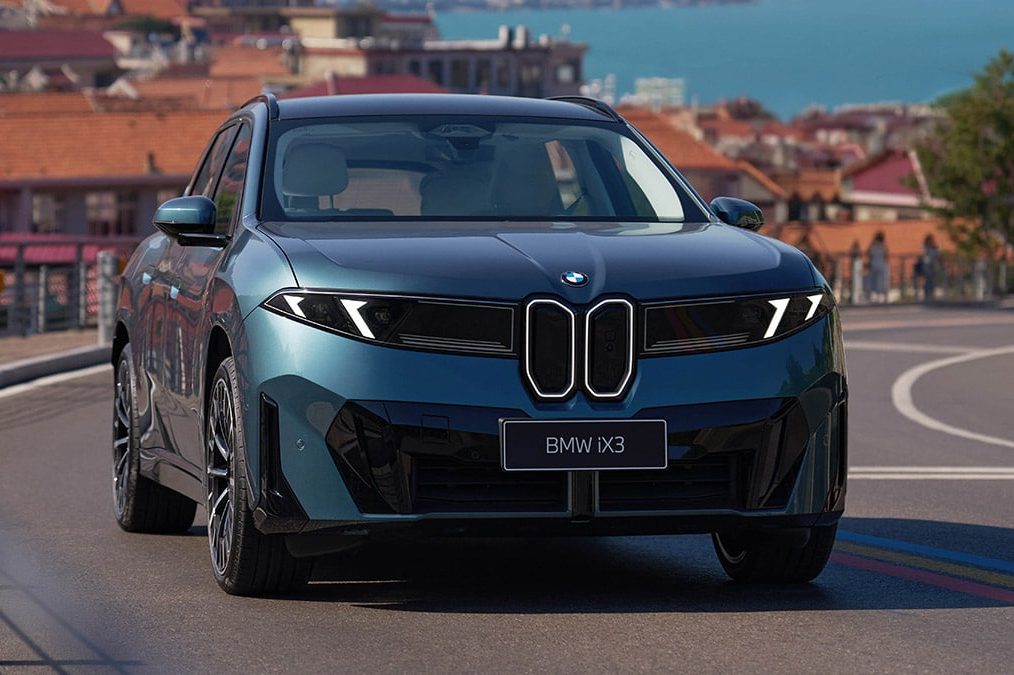
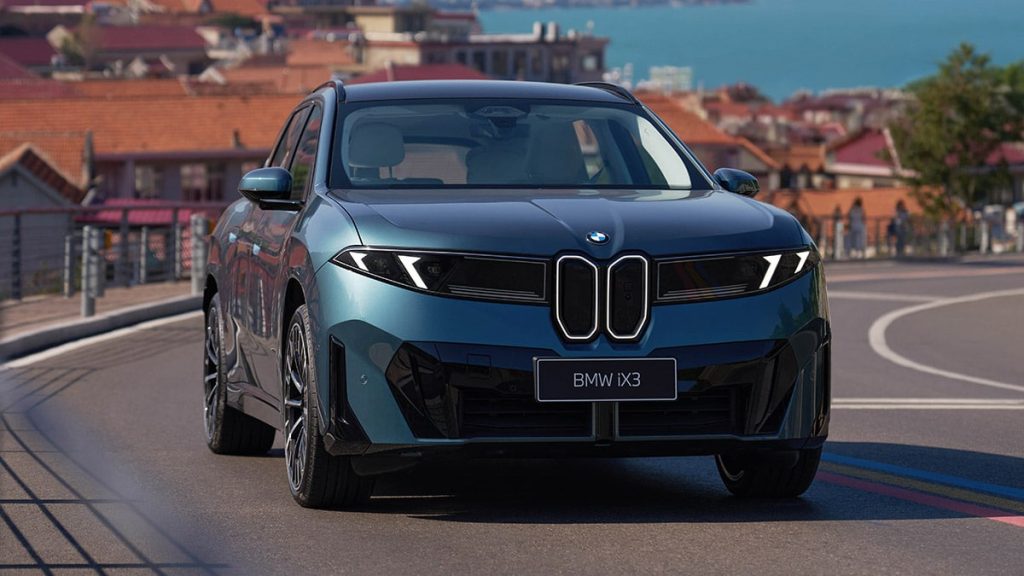
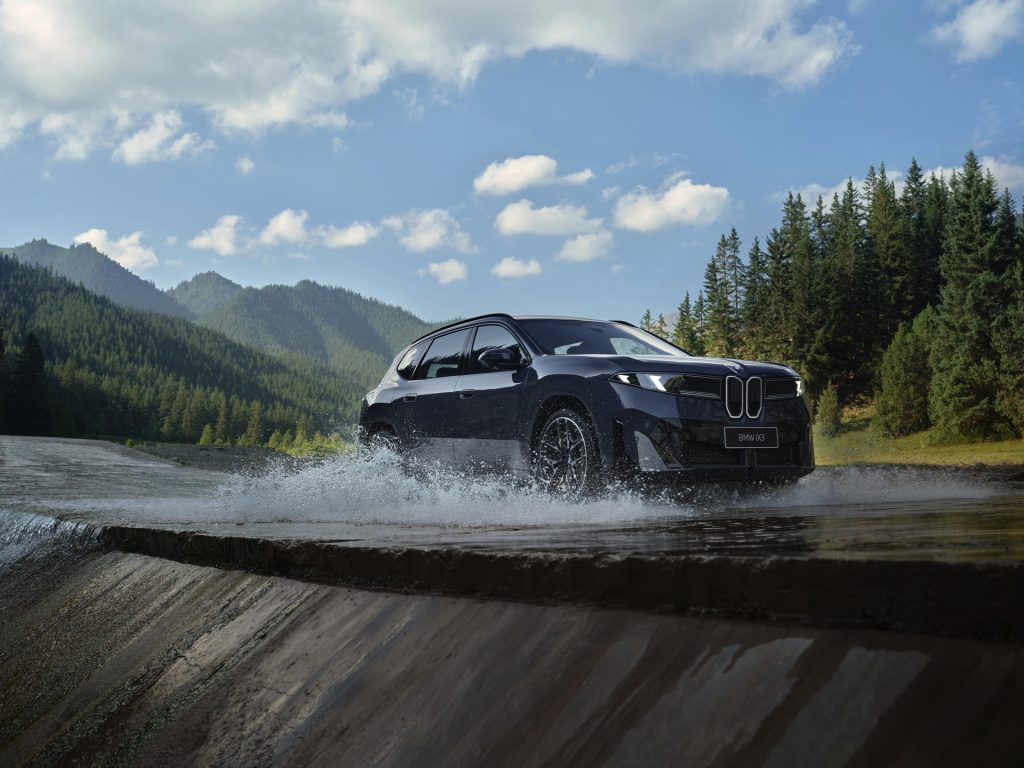
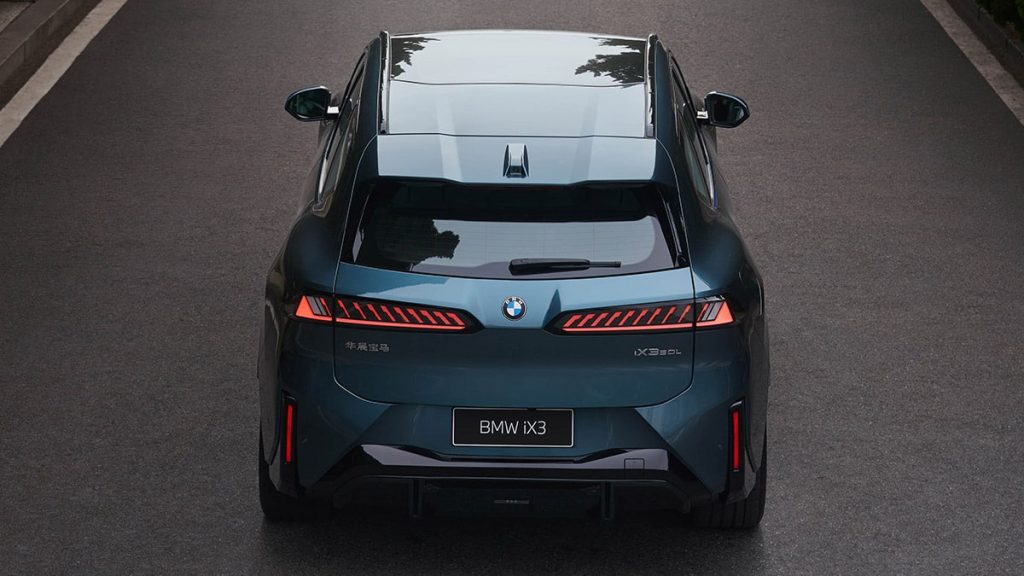
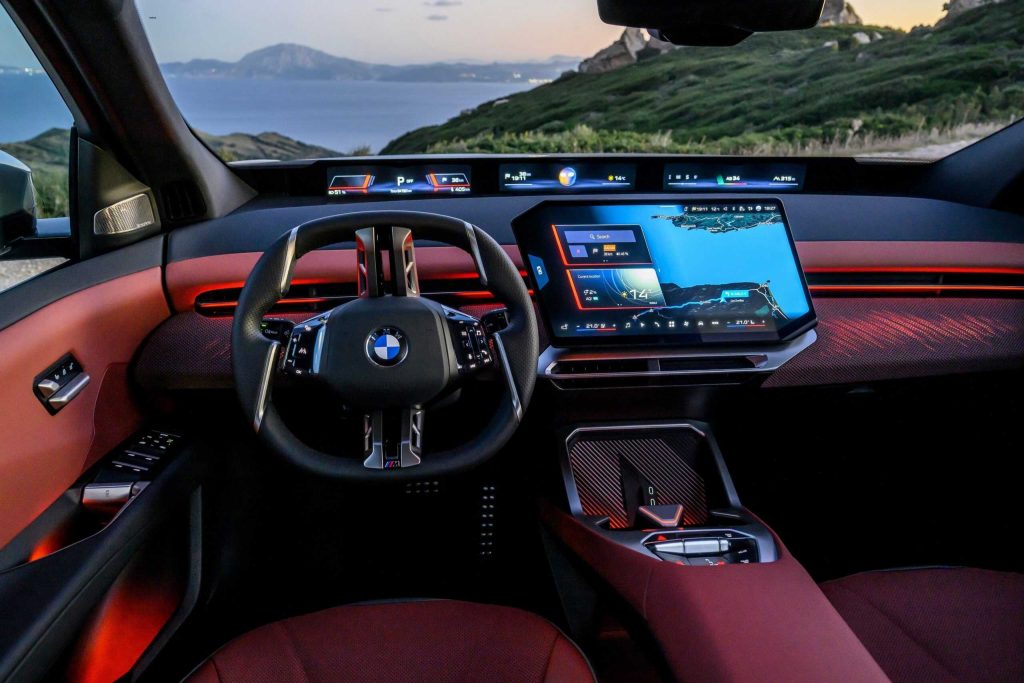
The global transition to electric mobility is creating extreme regional price divides that leave international car buyers envious. While luxury electric SUVs routinely carry hefty price tags across export markets, BMW has pulled off a startling pricing manoeuvre in China, introducing an entry-level, long-wheelbase iX3 stripped down to the essentials and priced well below what most enthusiasts would expect for a premium German badge.
Article Summary
- Aggressive Entry Pricing: The newly revealed BMW iX3 30L launches in China at RMB 269,900 (~RM 162,200), undercutting its higher-spec siblings by up to RM 42,000 to defend BMW’s market share against aggressive domestic EV competitors.
- Calibrated Mechanical Concessions: To achieve this lower price point, the 30L drops all-wheel drive for a single-motor rear-wheel-drive setup (262 hp / 500 Nm), pairs it with a smaller 77-kWh battery pack, and delivers an estimated 630 km of CLTC range with a 0–100 km/h time of 6.8 seconds.
- Regional Exclusivity: This cost-conscious, long-wheelbase specification is engineered strictly for the Chinese domestic market, with BMW maintaining higher-margin, higher-output xDrive variants for export markets.
Mechanical Trade-offs: What RM 162,000 Delivers
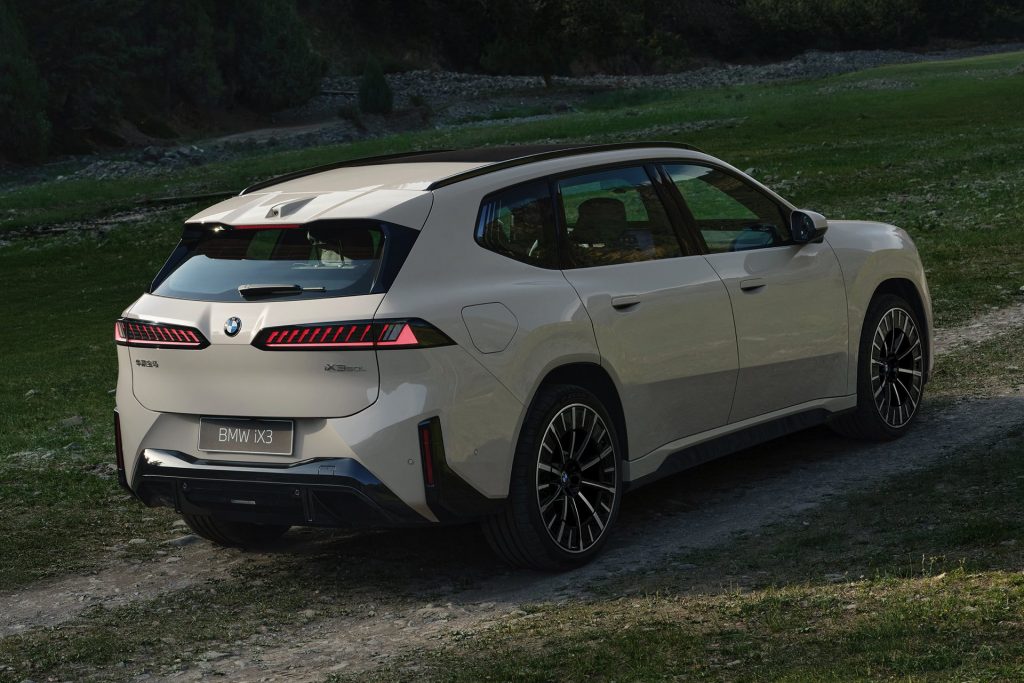
To bring the iX3 down to a sub-RM 165,000 equivalent price tag, BMW had to rethink the powertrain hierarchy. The entry-level iX3 30L sheds the front electric motor, completely ditching the brand’s signature xDrive all-wheel-drive system in favour of a rear-wheel-drive (RWD) configuration.
The resulting single motor delivers 262 horsepower and 500 Nm of torque. While more than sufficient for everyday urban driving and highway cruising, it makes the 30L the slowest variant in the lineup, completing the 0–100 km/h sprint in 6.8 seconds with an electronically capped top speed of 180 km/h. By comparison, the mid-tier 40L xDrive finishes the sprint in 5.6 seconds, while the range-topping 50L xDrive hits 100 km/h in just 4.9 seconds.
Battery capacity is similarly optimized. Instead of the larger packs fitted to the dual-motor versions, the 30L gets a 77.0-kWh net capacity battery. On China’s CLTC testing cycle, it yields a claimed range of 630 km—which trails the 40L by 72 km and sits 289 km behind the colossal 113.4-kWh pack in the 50L.
| Specification | iX3 30L | iX3 40L xDrive | iX3 50L xDrive |
| Powertrain | Single-Motor (RWD) | Dual-Motor (AWD) | Dual-Motor (AWD) |
| Horsepower | 262 hp | 369 hp | 463 hp |
| Torque | 500 Nm (369 lb-ft) | 565 Nm (417 lb-ft) | 645 Nm (476 lb-ft) |
| 0–100 km/h Acceleration | 6.8 seconds | 5.6 seconds | 4.9 seconds |
| Top Speed | 180 km/h (112 mph) | 200 km/h (124 mph) | 210 km/h (130 mph) |
| Battery Capacity (Net) | 77.0 kWh | 86.9 kWh | 113.4 kWh |
| CLTC Driving Range | 630 km (391 miles) | 702 km (436 miles) | 919 km (571 miles) |
| Base Price (RMB) | RMB 269,900 | RMB 299,900 | RMB 339,900 |
| Direct Conversion (MYR) | ~RM 162,200 | ~RM 180,250 | ~RM 204,300 |
Market Perspective: The Chinese Crucible vs. Export Realities
The Brutal Chinese Price War
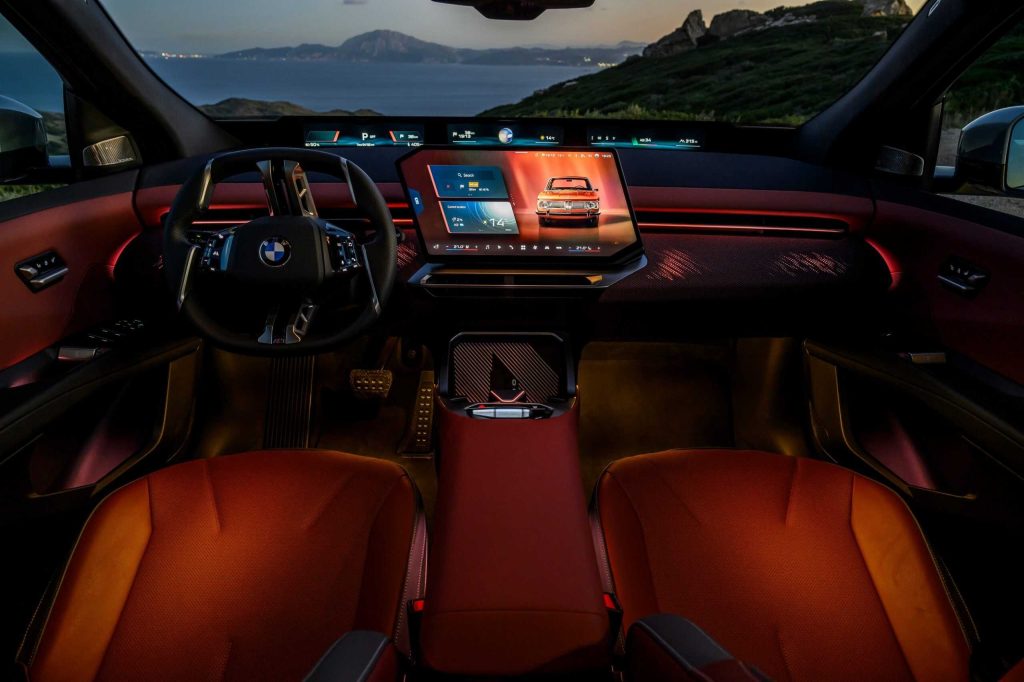
The iX3 30L is less about high-speed pedigree and more about cold commercial survival. In China, homegrown EV giants like BYD, Zeekr, Nio, and XPeng are offering well-appointed, tech-heavy electric crossovers at aggressive price points. Legacy European carmakers can no longer depend exclusively on badge heritage to move metal. Offering an executive, long-wheelbase SUV with a BMW roundel at roughly RM 162,000 is an absolute necessity if Munich intends to stop its market share from eroding in the world’s largest automotive arena.
The Malaysian Context
For Malaysian consumers accustomed to seeing the previous-generation iX3 and executive BMW EVs priced in the RM 300,000 to RM 330,000 bracket, seeing a brand-new model convert directly to ~RM 162,200 illustrates the massive pricing disparity between localized production hubs and import markets. Even with EV tax incentives, shipping logistics, local distributor margins, and right-hand-drive adaptations push foreign luxury EVs to a very different tier locally.
The Diminishing Returns of Giant Batteries
BMW’s stepped pricing structure highlights how heavily battery capacity dictates EV retail cost. Stepping up from the 30L to the 50L adds roughly RMB 70,000 (~RM 42,000) to the bill—money spent primarily on a larger battery pack and an extra motor that typical daily commuters rarely maximize. For many urban drivers, keeping that RM 42,000 in hand is far more sensible than shaving 1.9 seconds off a traffic-light sprint.
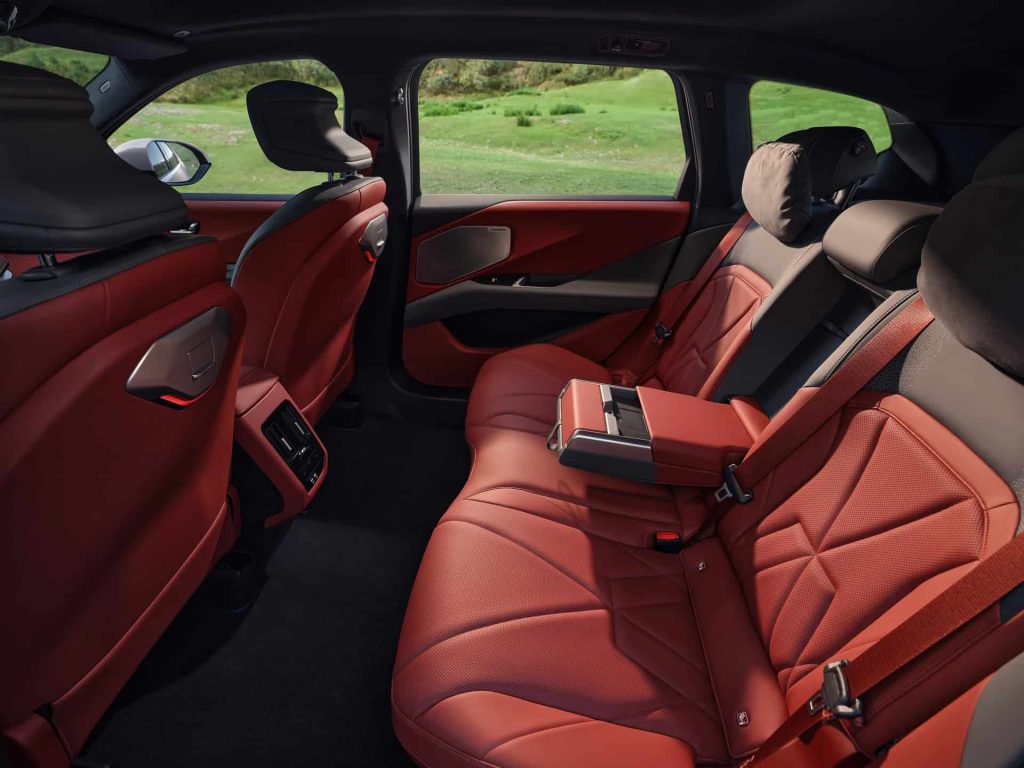
The BMW iX3 30L makes a compelling case for the de-contented luxury EV, proving that premium automakers can build practical, well-proportioned, and relatively affordable electric cars when forced to compete. Until competitive pressures in international markets reach the boiling point seen in China, however, the sub-RM 170k luxury electric SUV will remain an exclusive luxury for Chinese showrooms.