 Akmal Azhar
Rising Minimum Wage in 2025
From February 1, 2025, Malaysia’s minimum wage will rise to RM1,700 per month, with full enforcement for small businesses by August. For mamak stall workers, this is the baseline. In reality, many earn more — especially in busy cities or states like Johor, where wages can reach RM2,500 due to worker shortages. The average across restaurant and food service roles is around RM2,000–RM2,200 monthly, with some operators offering even higher pay to retain experienced staff.
Why the Same Salary Feels Bigger Abroad
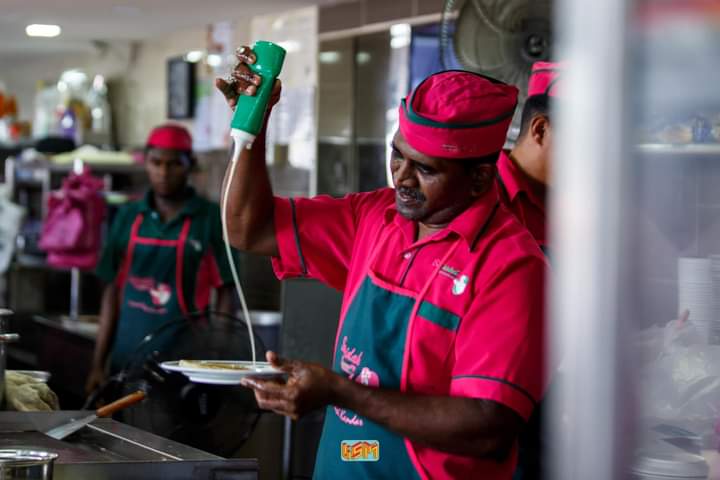
For Malaysian locals, RM2,000 a month is modest — just enough for rent, food, and bills. But for foreign workers from countries such as Bangladesh, India, or Nepal, this amount is a fortune when converted to their home currency. For example:
- RM2,000 ≈ 50,000 Bangladeshi Taka
- RM2,000 ≈ 38,000 Indian Rupees
- RM2,000 ≈ 69,000 Nepalese Rupees
In many rural areas, the average monthly wage can be equivalent to only RM300–500 in value. This means a mamak stall worker earns four to seven times more in Malaysia than they would back home.
Living Cheap, Saving Big
One reason they leave Malaysia with substantial wealth is strict financial discipline. Many live in shared hostels or basic rented rooms with fellow workers, cook their own meals when possible, and avoid expensive leisure spending. By keeping monthly expenses as low as RM500–700, they can save over RM1,000–1,500 each month. Over five years, this can amount to RM60,000–90,000 in savings — which is a life-changing amount back home.
Turning Savings into Wealth
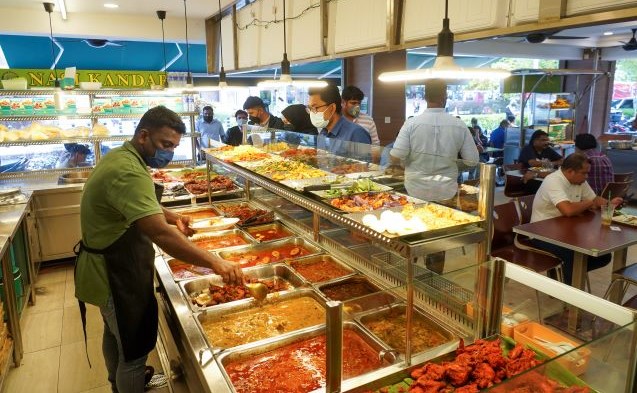
When they return, they don’t just spend the money — they invest it. Common paths include:
- Building a Family Home: Owning a brick house in their village instantly raises their social status and provides long-term security.
- Buying Land: Agricultural or residential land can generate income or increase in value over time.
- Starting a Small Business: Many open grocery shops, transport services, or even small restaurants.
- Paying Off Debts: Clearing family loans and avoiding interest payments improves their financial stability.
The Currency Power Factor
The exchange rate is their biggest secret weapon. Money saved in Malaysian ringgit multiplies in value back home. RM50,000 in savings can feel like RM200,000–300,000 in purchasing power in rural parts of their countries, enough to buy property or run a business debt-free.
From Stall Kitchens to Financial Independence
Working in a mamak stall is physically exhausting — long hours, heat, and constant customer service — but the financial rewards for foreign workers can be immense when compared to opportunities in their home countries. After several years, they can return not just with cash, but with the means to own assets, run businesses, and support their families for the long term.
What may seem like a low-paying job in Malaysia can, with patience and discipline, be the golden ticket to wealth back home.


 Zakirin