 Akmal Azhar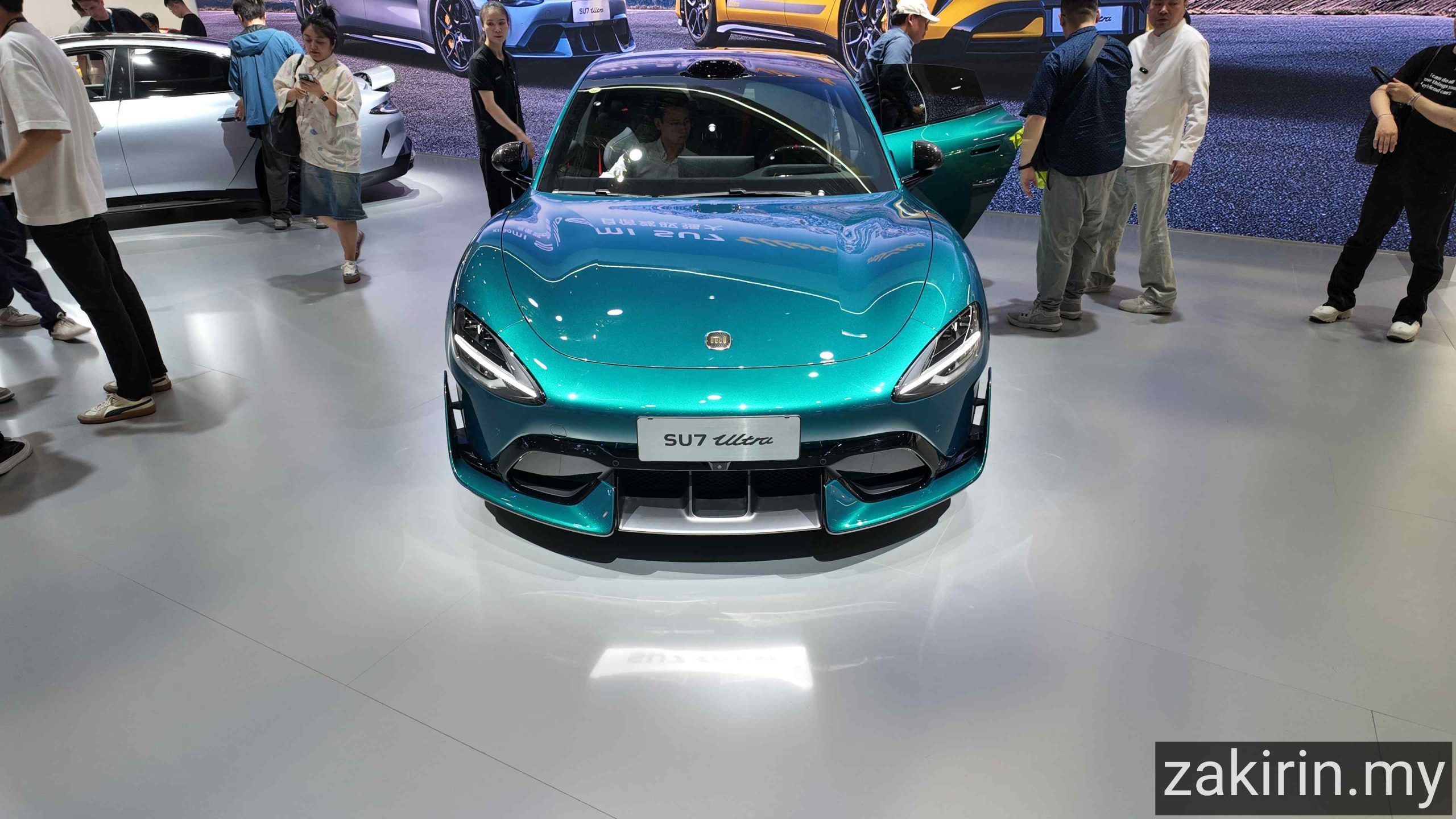
The Xiaomi SU7 is more than just a new electric vehicle—it’s a landmark moment for the Chinese tech giant as it expands from smartphones and smart home devices into the automotive world. Launched to great anticipation in 2024, the SU7 represents Xiaomi’s bold step into a highly competitive EV market dominated by the likes of Tesla, BYD, and Nio. The SU7 isn’t a concept car or a prototype; it’s a real production-ready EV aimed at mass adoption, and it already boasts tens of thousands of units sold in China.
Performance and Speed
Performance-wise, the Xiaomi SU7 comes in several variants, including the base Standard model, the Pro, and the high-performance SU7 Max and Ultra. The top-tier models feature a dual-motor configuration capable of producing 664 horsepower and 838 Nm of torque.
This setup accelerates the car from 0 to 100 km/h in just 2.78 seconds—performance that puts it in the league of the Porsche Taycan and Tesla Model S. With a top speed of 265 km/h, it’s not just fast for an EV; it’s fast, period.
Battery and Charging
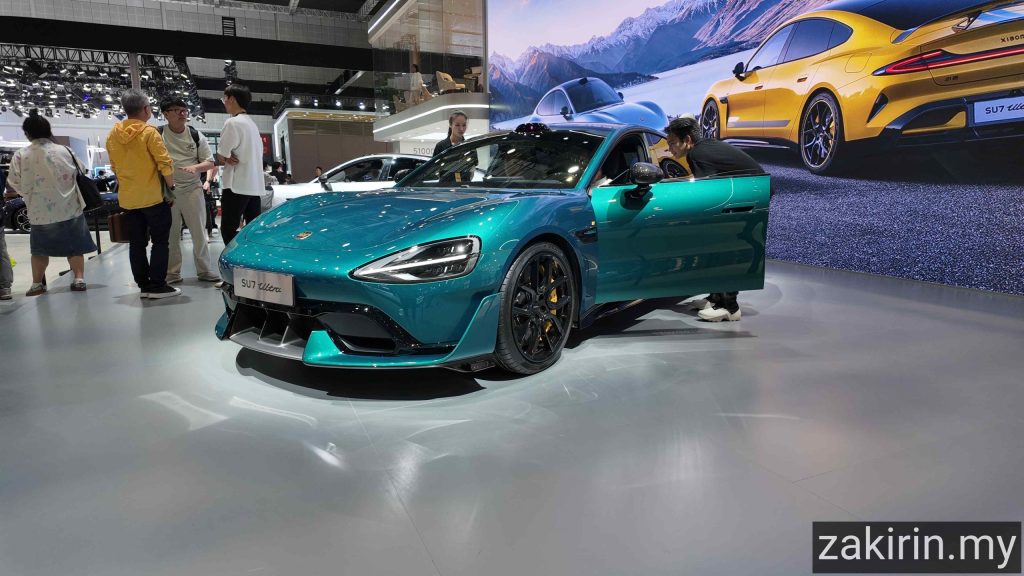
Battery technology is another standout feature. Xiaomi offers both a 73.6 kWh lithium iron phosphate battery and a larger 101 kWh CATL pack. The latter offers a maximum CLTC range of up to 800 km, which makes the SU7 ideal for long-distance driving.
Charging is rapid, too—thanks to the 800V platform, a mere 15-minute charge can restore over 500 km of range. This fast-charging capability significantly reduces the downtime associated with EV travel, which has been a key barrier to broader EV adoption.
Exterior Design and Aerodynamics
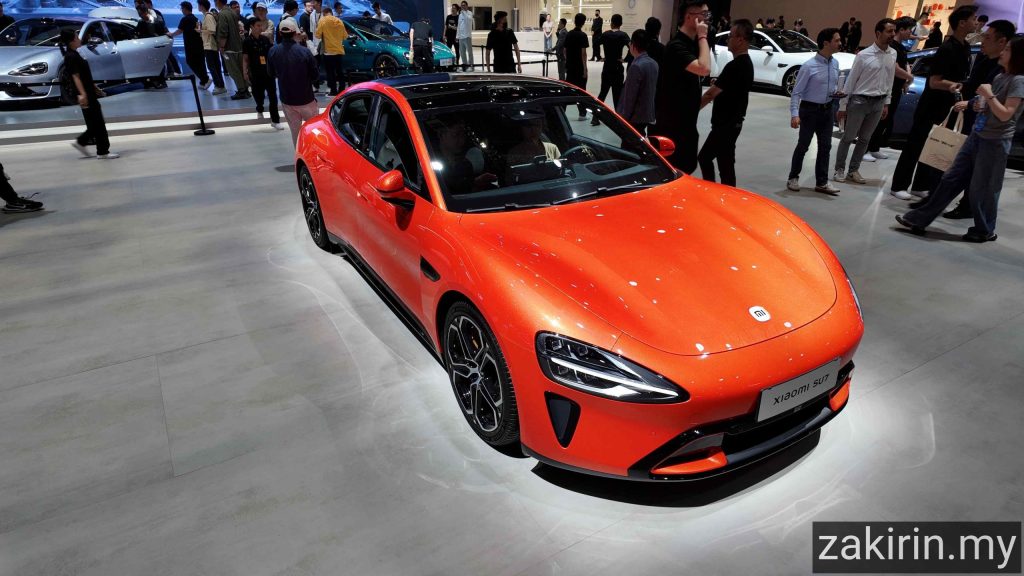
The exterior design of the SU7 reflects a blend of aerodynamics and modern aesthetics. With a drag coefficient of 0.195, it’s among the most aerodynamic production cars in the world. The styling echoes some cues from established sports EVs, but Xiaomi has added enough of its own DNA to make it distinctive. The car’s design isn’t just about looks—it’s engineered to improve range and performance.
Interior and Smart Features
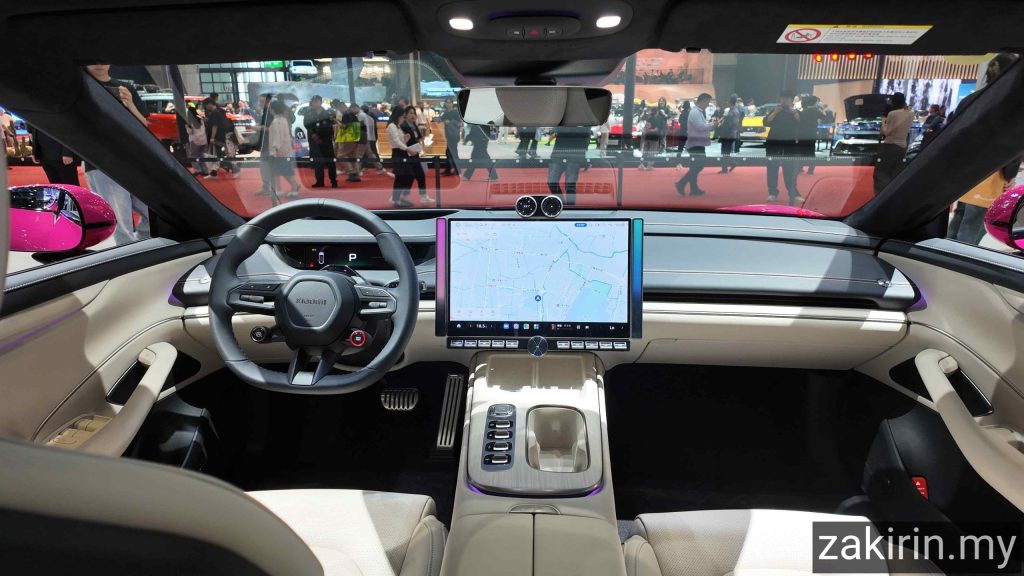
Inside, the SU7 brings Xiaomi’s smart ecosystem into the vehicle. It includes a 16.1-inch central display with 3K resolution, a 56-inch head-up display projected onto the windshield, and a rotating 7.1-inch digital instrument panel.
The HyperOS interface, the same operating system used across Xiaomi’s smartphones and smart home devices, allows seamless control of connected devices from within the car. Whether adjusting your Xiaomi air purifier at home or transferring navigation from your phone to the dashboard, the integration is seamless and intuitive.
Driver Assistance and Autonomous Technology
Driver assistance and safety are areas where Xiaomi didn’t cut corners. The SU7 comes with 16 advanced driver-assistance systems, including adaptive cruise control, lane keeping, automatic emergency braking, and blind-spot detection.
More impressively, the car supports semi-autonomous driving through its Xiaomi Pilot Max system. This is powered by Nvidia’s Drive Orin chipsets and a network of sensors, including LiDAR, ultrasonic radars, and high-definition cameras.
Political and Economic Impact
However, the Xiaomi SU7 is not just a vehicle; it’s also a political and economic statement. Its emergence underscores China’s growing influence in the global EV market. Xiaomi has priced the SU7 aggressively, with base models starting at around 215,900 yuan (about $30,000), making it highly competitive against Tesla’s offerings in China. This pricing strategy is likely to disrupt the status quo, putting pressure on legacy automakers to innovate and adapt.
Politically, the SU7 enters the scene amid rising trade tensions between China and the West. The car could become entangled in regulatory scrutiny in markets like the U.S. and EU, where concerns about data security, supply chain dependencies, and emissions standards are at the forefront.
As a tech company entering a heavily regulated industry, Xiaomi may face additional hurdles when it comes to certifications, software compliance, and even data privacy laws, especially as the car collects large amounts of user and geolocation data.
Tech vs. Auto: A Convergence
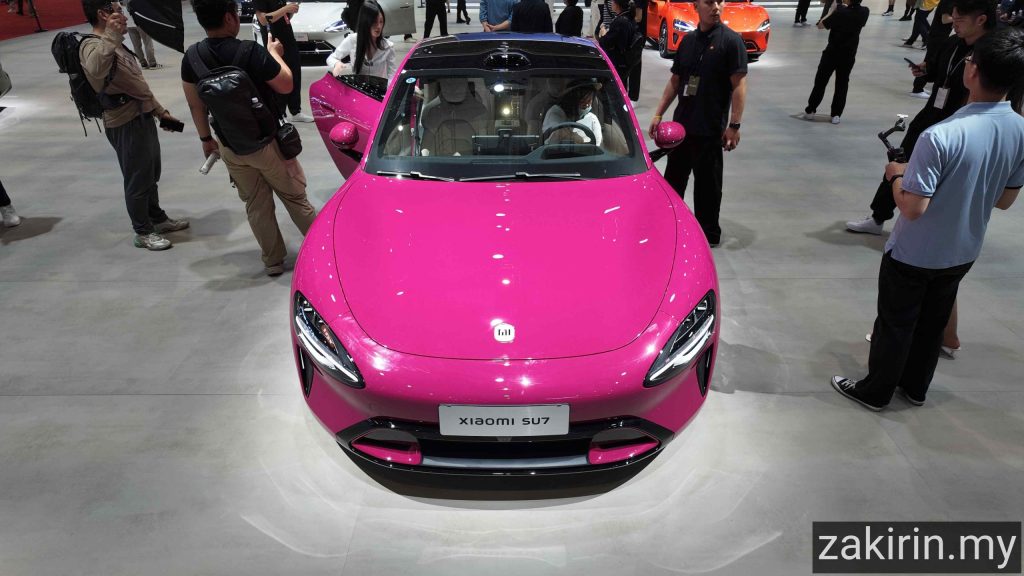
Xiaomi’s strategic play also challenges traditional distinctions between consumer electronics and automotive manufacturing. The SU7 is not just a car with smart features—it’s a rolling device in Xiaomi’s connected ecosystem. This shift could pave the way for other tech companies to enter the mobility space, turning cars into extensions of the smart home or smartphone experience.
Market Response and Future Outlook
In just a few months since its launch, the SU7 has gained significant traction in China, with delivery numbers exceeding expectations and a growing waitlist. Sightings of test models in Southeast Asia, including Malaysia, hint at Xiaomi’s plans to expand into global markets soon. If successful, the SU7 could set a precedent for how technology firms reshape the automotive industry, much like how Tesla disrupted traditional automakers over a decade ago.
Conclusion
In conclusion, the Xiaomi SU7 is a serious contender in the electric vehicle market. It’s fast, smart, stylish, and affordable—an unusual but compelling combination. Beyond its technical prowess, it’s also a symbol of China’s technological ambition and the growing convergence of tech and transport. Whether you’re a fan of EVs or not, the SU7 demands attention—not just for what it is, but for what it represents.

 Zakirin