 Akmal Azhar
A New Era in Manufacturing
BMW’s U.S. manufacturing plant has taken a historic step toward the future of industrial automation by deploying humanoid robots on its production line. These advanced robots, developed by robotics startup Figure, are not just mechanical arms or rigid machines but humanoid in form and function—designed to operate alongside human workers in roles traditionally reserved for people.
The rollout begins with one of the most fundamental tasks on the assembly line: tightening bolts. While simple in concept, this task is repeated countless times each day, making it an ideal starting point for robotic integration.
The Tech Behind the Machines
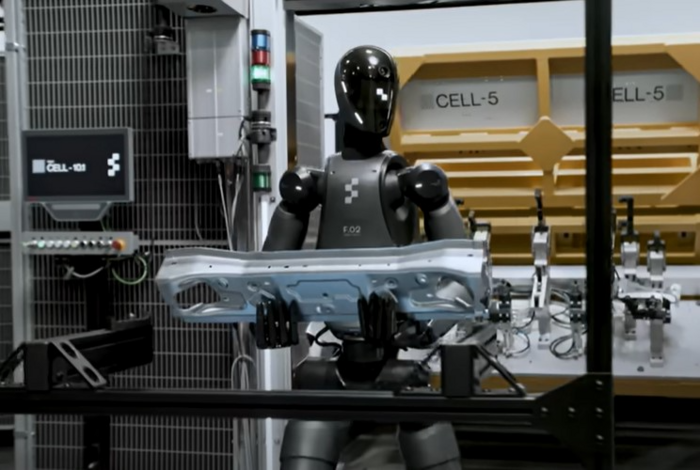
Figure’s humanoid robots are a product of cutting-edge technology, blending artificial intelligence, robotics engineering, and real-time machine learning.
They are designed to mimic human physiology, allowing them to perform a wide range of motions and handle tools in ways that traditional factory robots cannot. The robots are equipped with vision systems, dexterous manipulators, and mobility features that enable them to move around the factory floor independently.
Each unit is programmed to adapt to its environment, and Figure claims that with enough operational data, these robots can learn and optimize tasks without needing to be reprogrammed manually. This adaptability is what makes them suitable for integration into existing manufacturing workflows, reducing the need for costly infrastructure overhauls.
Backed by Industry Giants
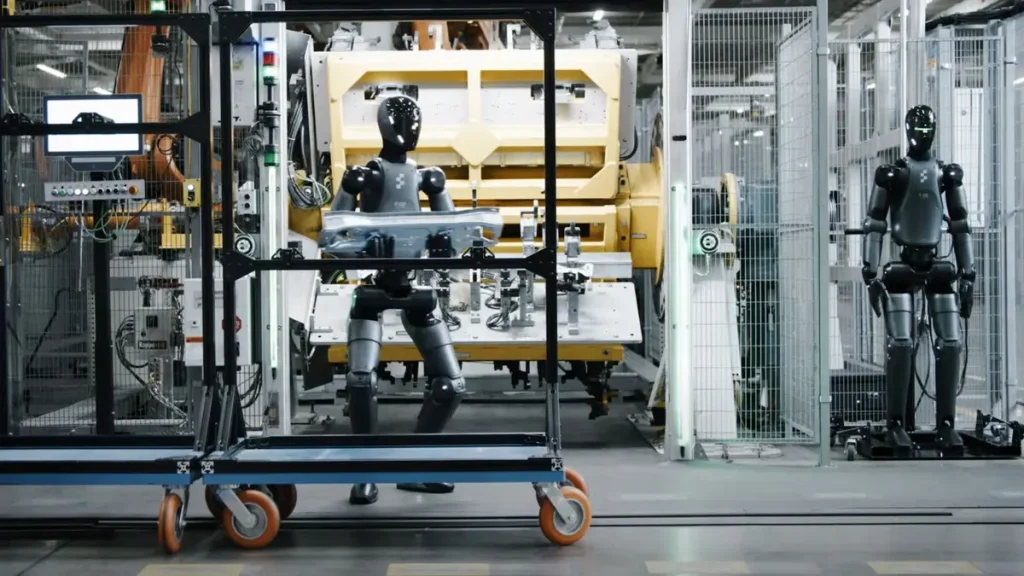
Figure’s ambitions are not without solid backing. The company has attracted major investments from technology heavyweights such as Microsoft, Nvidia, and Amazon founder Jeff Bezos. These endorsements signal a broader belief that humanoid robots are not just a futuristic novelty but a practical solution to current industrial challenges.
This support has enabled Figure to accelerate its development efforts and begin scaling production through its dedicated manufacturing facility known as BotQ. This facility will be central to rolling out more units for deployment in different sectors beyond automotive, including logistics, healthcare, and retail.
Strategic Collaboration with BMW
BMW’s decision to adopt humanoid robots represents a strategic move in staying ahead of industry trends. The automotive sector has long been a testing ground for automation, with assembly lines already featuring various robotic systems.
However, humanoid robots take this a step further by offering more flexibility and a closer resemblance to human labor.
This partnership allows BMW to remain at the forefront of innovation while addressing labor shortages and increasing production efficiency. By starting with bolt-tightening tasks, BMW and Figure can evaluate robot performance, collect valuable data, and gradually expand the robots’ roles in more complex assembly processes.
From Assembly Lines to Everyday Industry
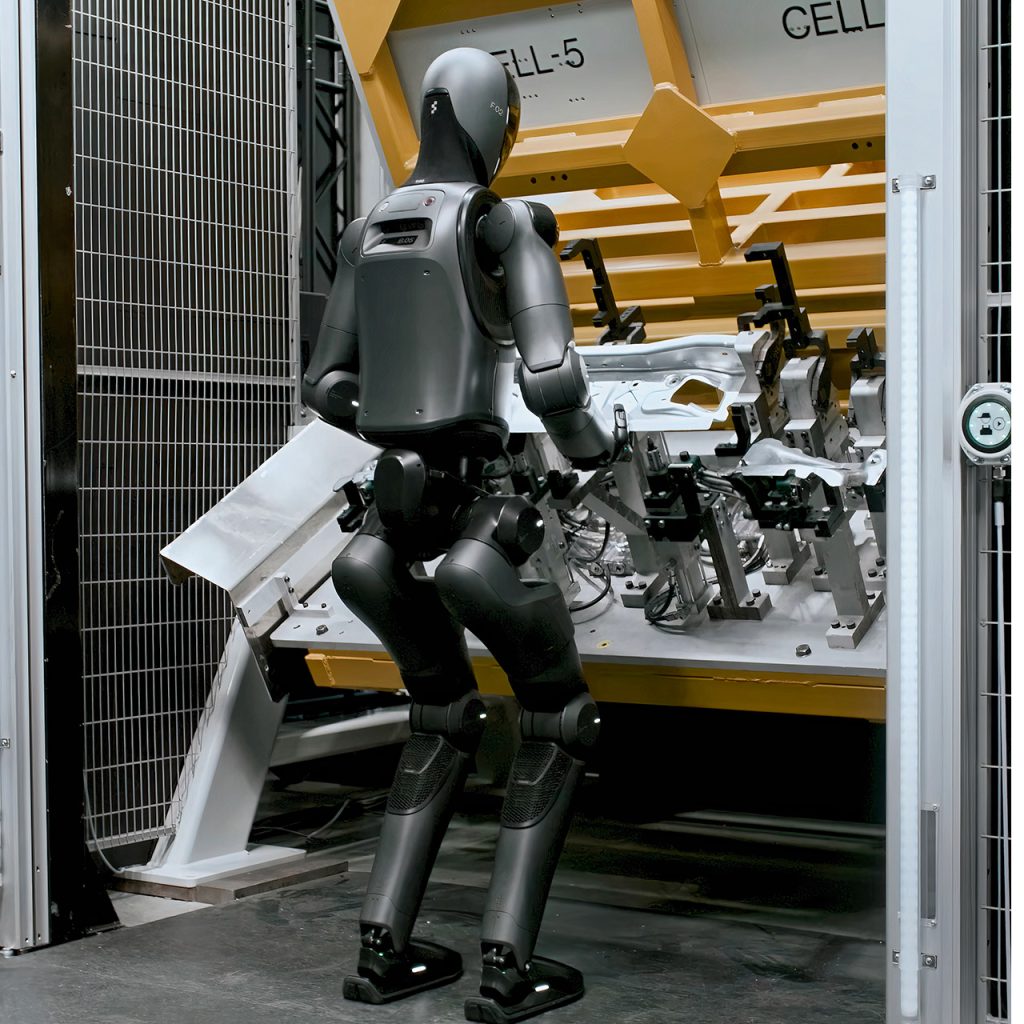
While the deployment of humanoid robots at BMW may seem like a scene from a sci-fi movie, it is a very real glimpse into how automation will evolve in the coming years. These robots represent a shift from rigid automation toward more adaptive and intelligent systems capable of interacting naturally with both tools and human co-workers.
If successful, BMW’s implementation could pave the way for widespread adoption across various industries. Imagine humanoid robots assisting in warehouses, hospitals, or construction sites—performing tasks that are dangerous, repetitive, or physically demanding.
This technology could revolutionize the labor market by filling roles that are currently difficult to staff due to safety concerns or skill shortages.
Challenges and Considerations
Despite the excitement, there are valid concerns and challenges associated with humanoid robotics. The technology is still in its early stages, and real-world application comes with a host of variables. Safety protocols must be rigorously tested to ensure human workers are not at risk. The complexity of tasks also demands a high level of robotic autonomy and decision-making, which raises ethical and operational questions.
There are also broader societal implications to consider. As robots become more prevalent in the workforce, companies and governments must grapple with potential impacts on employment and the shifting landscape of skilled labor. While robots can fill gaps, they can also displace jobs if not integrated thoughtfully.
Humanoid Robots vs. Traditional Automation
One key distinction of Figure’s robots is their humanoid form. Traditional industrial robots are typically fixed in place and specialized for a single task. While highly efficient, they lack the flexibility to adapt to new tasks without significant reprogramming and hardware changes.
In contrast, humanoid robots are designed for general-purpose use. Their form allows them to use the same tools, occupy the same spaces, and interact in environments built for humans. This opens up a world of possibilities for retrofitting automation into existing facilities without the need for large-scale redesigns.
A Glimpse Into the Future
The rollout of humanoid robots at BMW’s U.S. factory marks a pivotal moment in the evolution of work. What we are witnessing is not just the automation of labor, but a reinvention of how machines and humans collaborate. These robots are not here to replace workers outright but to augment their capabilities and take on tasks that are less desirable, more hazardous, or physically taxing.
As these robots continue to learn and adapt, their usefulness will grow exponentially. They will become more than tools—they will become intelligent collaborators capable of transforming the way we build, move, and live.
Conclusion: A Balanced Perspective
Humanoid robots working on BMW’s assembly line are not a futuristic fantasy; they are the present reality of advanced manufacturing. With support from major investors and a commitment to innovation, Figure is leading the charge in making these robots practical for everyday use.
BMW’s initiative sets a precedent that other manufacturers will likely follow. While the path forward is not without its hurdles, the integration of humanoid robots signals a shift toward smarter, more flexible production systems. These systems not only improve efficiency but also offer a sustainable solution to labor challenges across industries.
In the end, the key to success will be balance: using robots to empower the workforce, not replace it, and ensuring that the march of progress includes all stakeholders. The humanoid robots at BMW’s U.S. factory are just the beginning—a promising start to a future where humans and machines work side by side in harmony.

 Zakirin