 Akmal Azhar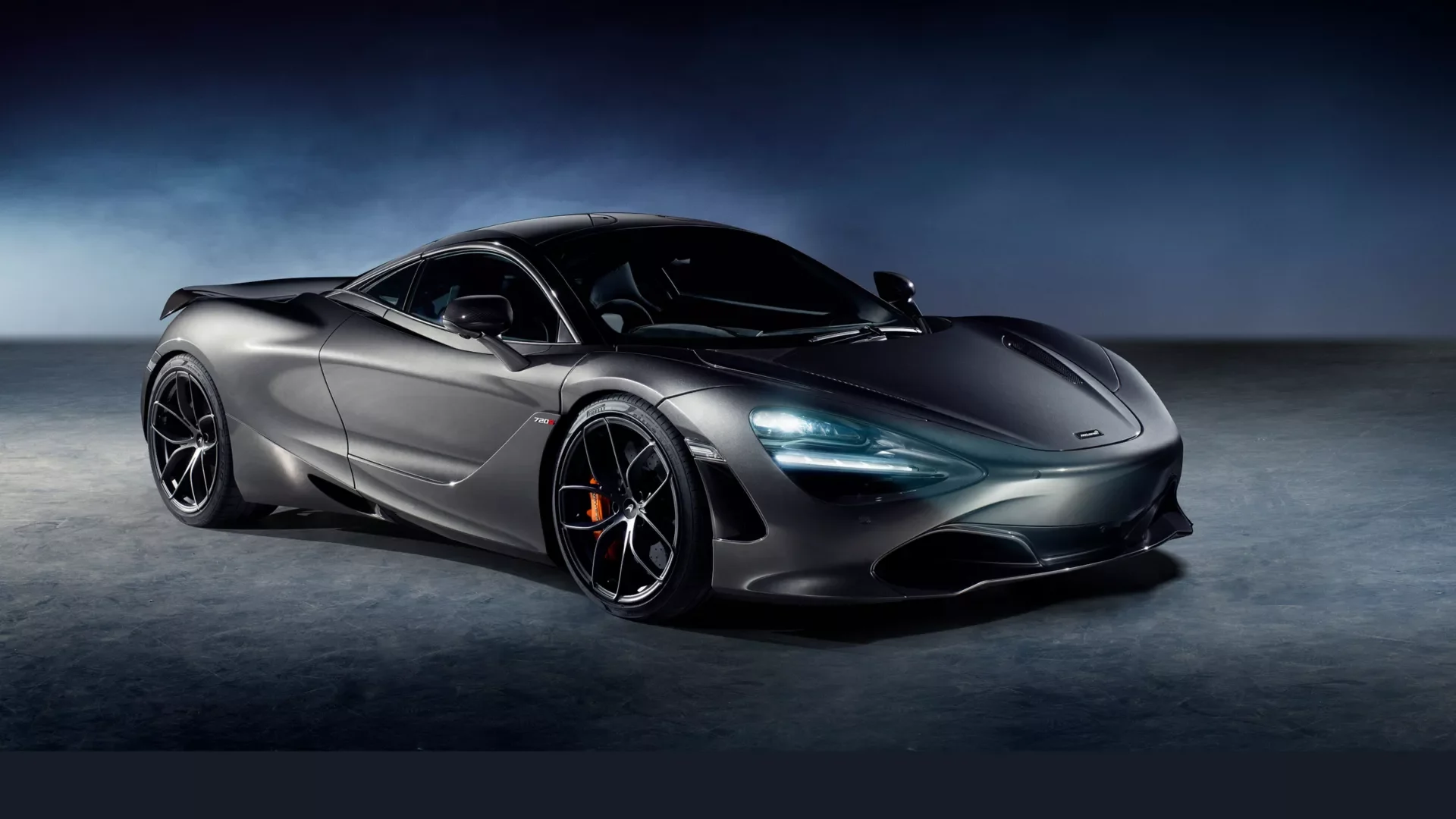
From Track to Tarmac: A Legacy Forged in Speed
The McLaren 720S is not merely a car; it is a chapter in a story written in carbon fiber and adrenaline. Born from a company steeped in Formula 1 pedigree, the 720S arrived in 2017 as the successor to the 650S, embodying decades of racing wisdom distilled into a road-legal machine. McLaren’s journey from constructing championship-winning race cars to crafting street-legal hypercars has always been a dance between audacity and precision.
The 720S, however, marked a turning point—a declaration that a supercar could be both a technical marvel and an emotional provocateur. Its development was shrouded in secrecy, with engineers obsessing over aerodynamics, weight reduction, and a driving experience that would blur the line between human and machine.
Under the Skin: Where Science Meets Instinct
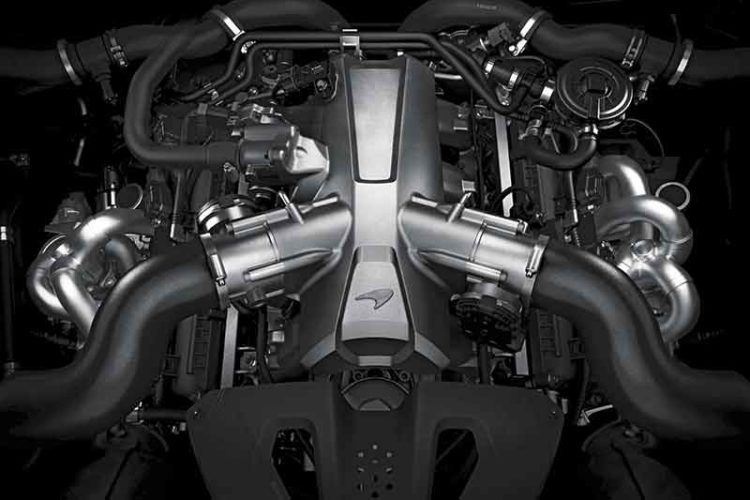
At its core lies a 4.0-liter twin-turbocharged V8 engine, a masterpiece of controlled fury. Producing 720 horsepower and 568 lb-ft of torque, it catapults the 720S from 0 to 60 mph in 2.8 seconds, with a top speed that kisses 212 mph. Yet numbers alone fail to capture its essence.
The Monocage II chassis, crafted from carbon fiber, is a feat of structural artistry—stiffer than its predecessors yet lighter, cocooning the driver in a cockpit that feels both intimate and infinite. Aerodynamics play a silent symphony here: the car’s teardrop shape, active rear wing, and cleverly channeled airflow create downforce without drama, ensuring stability at speeds that would humble lesser machines.
The Politics of Power: A Supercar in a Climate-Conscious Era
In an age where environmental scrutiny shadows every industry, the 720S walks a tightrope. Critics argue that supercars are relics of excess, yet McLaren counters with efficiency. The 720S achieves 26.4 mpg on the EU combined cycle—a figure that shames older V8 sedans. This frugality is no accident; lightweight materials and advanced engine mapping reflect a conscious effort to align performance with responsibility.
Behind the scenes, McLaren pledges to electrify its lineup by 2030, but the 720S remains a swan song for internal combustion—a machine that celebrates engineering artistry while acknowledging the winds of change.
A Sculpture in Motion: Dimensions That Defy Logic
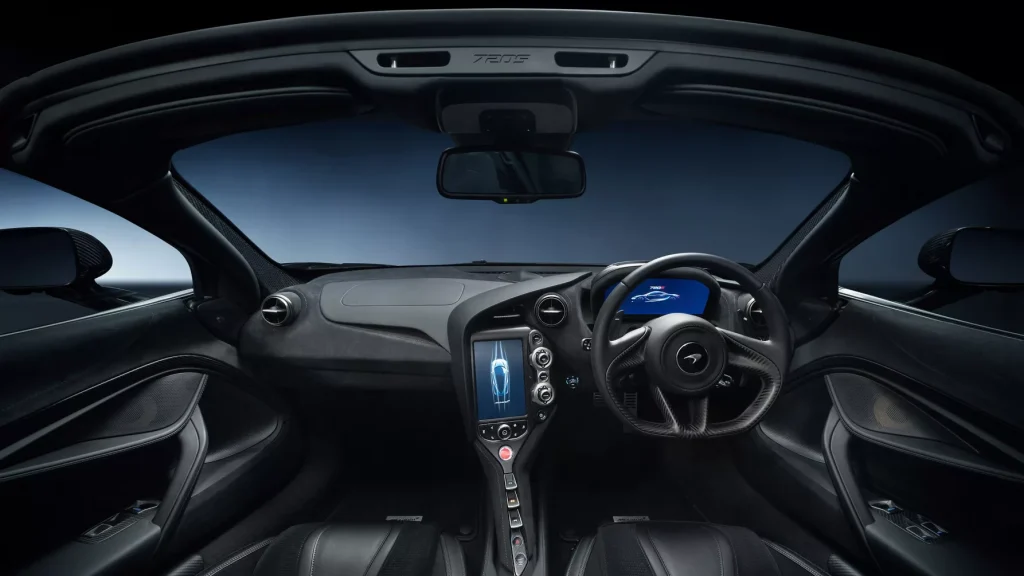
Measuring 178.9 inches long, 85.5 inches wide, and 47.1 inches tall, the 720S is a study in contradiction. Its footprint is compact, yet the dihedral doors swing skyward with theatrical flair, revealing a cabin that prioritizes driver connection over opulence.
The wheelbase stretches 105.3 inches, creating stability without sacrificing agility. Every curve serves a purpose: the “double-skin” rear pillars hide air channels that cool the engine, while the lack of traditional side intakes gives the car a sleek, alien profile. This is design as function, where beauty emerges from necessity.
Beyond the Brochure: The 720S’s Hidden Soul
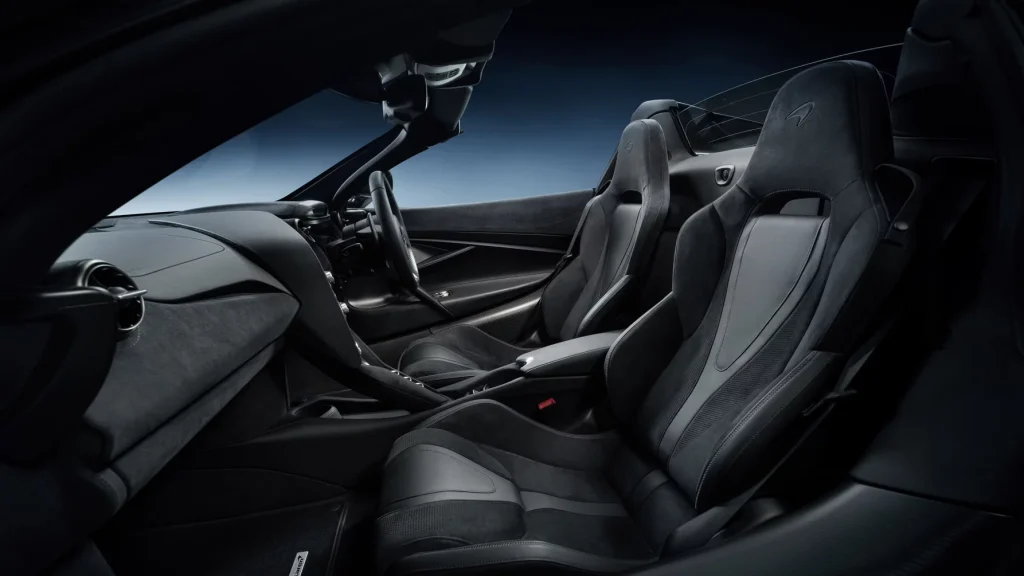
To own a 720S is to discover secrets whispered only to those who dare to look closer. The retractable instrument cluster—a slender screen that flips to a minimalist display in Track mode—is a nod to focus, stripping distractions until only speed remains. Then there’s the Proactive Chassis Control II, a hydraulic suspension system that reads the road 1,000 times per second, transforming from cloud-soft comfort to track-taut precision with eerie prescience.
Peer behind the rear glass, and you’ll find engine components painted in McLaren’s signature “Speedline” gold—a subtle homage to its F1 heritage. The dihedral doors aren’t just for show; their hinges double as air intakes, funneling oxygen to the voracious V8. Even the key is a conversation piece: milled from aluminum, it feels like a relic from a futuristic heist film.
But the quirks deepen. Engage Variable Drift Control, and the car calculates slip angles and torque distribution, allowing novices to channel their inner drift king with confidence.
The “McLaren Track Telemetry” app transforms your smartphone into a data hub, overlaying lap times and G-force metrics onto video footage—a tool for perfectionists. And hidden beneath the door sills lie cubbies sized precisely for a racing helmet, a reminder that this car was born to play.
Driving the Future: The Alchemy of Connection

What truly sets the 720S apart is its ability to make the surreal feel intuitive. The steering communicates like a nervous system, translating asphalt textures into fingertip vibrations. The brakes—carbon-ceramic monoliths—bite with ferocity yet modulate with ballet-like grace. In Comfort mode, it cruises with the serenity of a luxury sedan; switch to Track, and the exhaust barks a battle cry, the suspension stiffens, and the world narrows to a ribbon of tarmac.
McLaren’s engineers speak of “emotional ergonomics”—designing controls that become extensions of the driver’s body. The gearshift paddles, milled from solid metal, click with the precision of a Swiss watch.
The infotainment system, often a weak point in performance cars, is refreshingly intuitive, refusing to pull focus from the road. Even the air conditioning adjusts its output based on whether the roof panel is removed, a detail so considerate it feels almost human.
Conclusion: The Legacy Unfolds—Why the 720S Matters
The McLaren 720S is more than a car; it is a manifesto. It challenges the notion that supercars must be brutal or impractical, proving that intelligence and emotion can coexist. In a world racing toward autonomy, it champions the driver—flaws, instincts, and all. Its quirks are not gimmicks but love letters to those who care to look, each detail a testament to McLaren’s obsession with progress. As the automotive landscape shifts, the 720S stands as a beacon—a reminder that even in an age of algorithms, the human touch still holds the wheel.
Practical Takeaways for the Curious Driver
- Embrace Minimalism: The 720S teaches that less weight and clutter amplify joy. Apply this philosophy to your driving habits—focus on the road, not the gadgets.
- Sustainability Isn’t Binary: Even performance cars can innovate responsibly. Support brands that balance power with planet-conscious engineering.
- Details Define Experience: From hidden storage to adaptive suspension, the 720S proves that greatness lies in nuance. Seek out vehicles that reward curiosity.
In the end, the 720S isn’t just a machine. It’s a conversation between engineer and asphalt, a dance of physics and passion—and an invitation to rethink what a car can be.


 Zakirin