 Akmal Azhar
Ford Europe’s Bold Restructuring Plan: A Strategic Shift Toward Electrification and Sustainability
Ford Motor Company has announced a sweeping restructuring plan for its European operations, marking a decisive step toward electrification and long-term sustainability. The automaker’s €2 billion investment will focus on modernizing facilities, expanding electric vehicle (EV) production, and streamlining operations to remain competitive in a rapidly evolving market.
This strategic overhaul underscores Ford’s commitment to aligning its European business with global trends, including stricter emissions regulations, shifting consumer preferences, and the accelerating transition to electric mobility.
A New Chapter for Ford Europe
Ford’s European operations have long been a cornerstone of its global strategy, but the region’s automotive landscape is undergoing profound changes. Stricter emissions standards, particularly in the European Union, have forced automakers to rethink their product portfolios and manufacturing processes. Additionally, consumer demand for electric vehicles has surged, driven by government incentives, environmental awareness, and advancements in EV technology.
In response, Ford has unveiled a comprehensive restructuring plan designed to future-proof its European business. The €2 billion investment will fund the development of new electric models, the retooling of existing factories, and the creation of a more agile and efficient organizational structure. This move follows Ford’s earlier decision to phase out internal combustion engine (ICE) vehicles in Europe by 2035, aligning with the EU’s goal of achieving carbon neutrality by 2050 .
Key Components of the Restructuring Plan
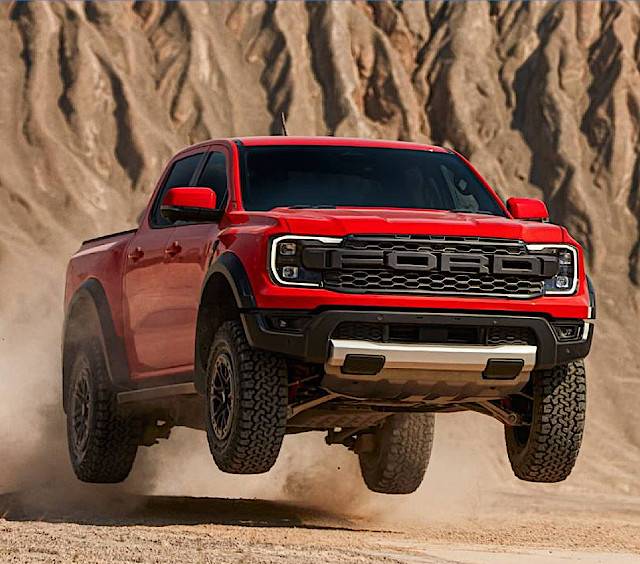
The restructuring plan revolves around three core pillars: electrification, operational efficiency, and workforce development. Each component is designed to address the challenges and opportunities facing Ford Europe in the coming decade.
Electrification: Accelerating the Shift to EVs
Ford’s commitment to electrification is at the heart of its European strategy. The company plans to introduce seven new electric models by 2025, including the highly anticipated electric version of the Ford Puma, a popular compact SUV. These vehicles will be built on Ford’s next-generation EV platform, which promises improved range, performance, and affordability.
To support this transition, Ford will invest heavily in its Cologne, Germany, plant, transforming it into a hub for electric vehicle production. The facility, which currently manufactures the Ford Fiesta, will undergo a complete overhaul to accommodate the assembly of EVs. This move is expected to create hundreds of new jobs while ensuring the plant’s long-term viability .
Operational Efficiency: Streamlining for the Future
In addition to electrification, Ford is focused on improving operational efficiency across its European operations. The company plans to consolidate its manufacturing footprint, reducing the number of plants and optimizing production processes.
This includes the closure of its Saarlouis, Germany, facility, which currently produces the Ford Focus. While the decision has sparked concerns among employees, Ford has pledged to support affected workers through retraining programs and severance packages .
The restructuring plan also emphasizes supply chain optimization and cost reduction. By leveraging digital technologies and data analytics, Ford aims to enhance production flexibility, reduce waste, and improve overall efficiency. These measures are critical to maintaining profitability in an increasingly competitive market.
Workforce Development: Investing in People
Ford recognizes that its workforce is a key driver of success in the electric era. As part of the restructuring plan, the company will invest in training programs to equip employees with the skills needed for EV production and advanced manufacturing. This includes partnerships with local educational institutions and government agencies to create a pipeline of talent for the future.
Ford has also committed to fostering a culture of innovation and collaboration within its European operations. By empowering employees to contribute ideas and embrace new technologies, the company hopes to accelerate its transition to a sustainable and electrified future.
Challenges and Opportunities

While Ford’s restructuring plan is ambitious, it is not without challenges. The transition to electric vehicles requires significant upfront investment, and profitability in the EV segment remains uncertain. Additionally, the closure of the Saarlouis plant has drawn criticism from labor unions and local communities, highlighting the social and economic implications of such decisions.
However, the plan also presents numerous opportunities. By embracing electrification, Ford can position itself as a leader in the European EV market, which is expected to grow exponentially in the coming years. The company’s focus on operational efficiency and workforce development will also enhance its competitiveness and resilience in the face of industry disruptions.
The Broader Context: Ford’s Global Strategy
Ford’s European restructuring plan is part of a broader global strategy to transition to electric mobility and achieve carbon neutrality. In the United States, the company has invested heavily in its BlueOval City complex, a state-of-the-art facility dedicated to EV production. Similarly, Ford has expanded its presence in China, the world’s largest EV market, through partnerships with local manufacturers.
The European plan reflects Ford’s recognition of the region’s unique challenges and opportunities. With its dense urban centers, robust charging infrastructure, and strong regulatory framework, Europe is at the forefront of the electric vehicle revolution. By aligning its European operations with these trends, Ford is laying the groundwork for long-term success.
Conclusion: A Bold Vision for the Future
Ford’s €2 billion investment in its European operations represents a bold and forward-thinking approach to the challenges of the 21st century. By prioritizing electrification, operational efficiency, and workforce development, the company is positioning itself for sustained growth in a rapidly changing industry.
While the road ahead is fraught with challenges, Ford’s commitment to innovation and sustainability offers a glimpse of what the future of mobility could look like. As the automotive industry continues to evolve, Ford Europe’s restructuring plan serves as a testament to the power of strategic vision and decisive action.

 Zakirin