 Zakirin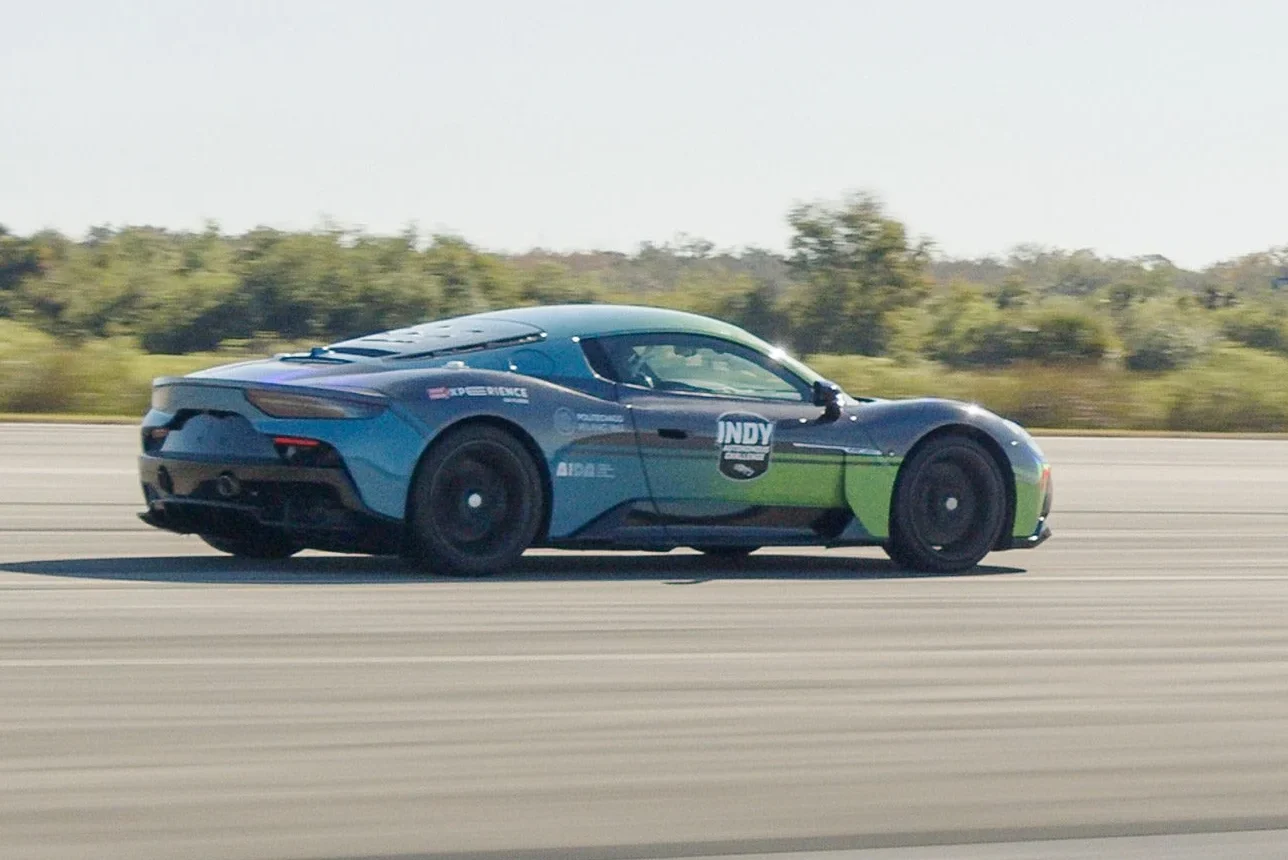
Maserati MC20’s Unprecedented Autonomous Run: A Glimpse into the Future of Supercars
The recent achievement by Maserati, in which the MC20 reached a top speed of nearly 198 miles per hour without a human driver at the Kennedy Space Center, marks a groundbreaking moment in the evolution of both high-performance vehicles and autonomous driving technology. This feat not only highlights the prowess of advanced automotive engineering but also signals a significant step forward in the integration of autonomous systems within supercar performance. In this detailed exploration, we delve into the nuances of this record-setting event, examine the technological innovations that made it possible, and consider the broader implications for the automotive industry and future mobility.
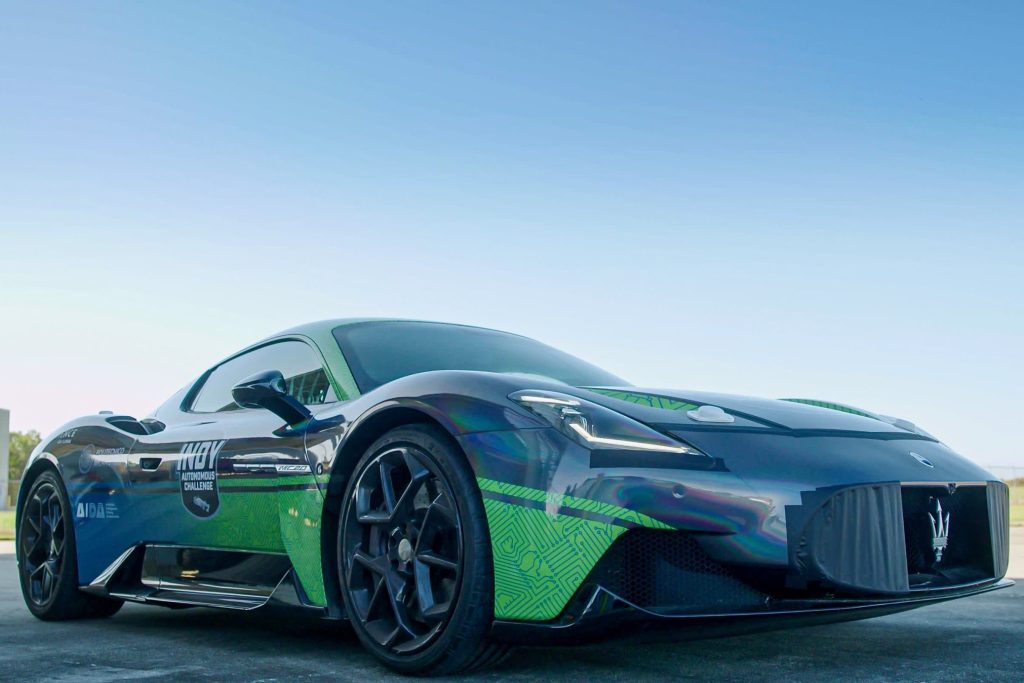
The Autonomous Revolution in High-Performance Vehicles
In a world where self-driving technology is gradually moving from science fiction to everyday reality, the demonstration of a driverless Maserati MC20 has captured the imagination of automotive enthusiasts and engineers alike. The event, which saw the sleek Italian coupe push its limits on a 2.8-mile runway, was more than just a test of speed—it was a testament to the merging of luxury, performance, and cutting-edge autonomous technology. Traditionally, high-performance vehicles have been the domain of skilled drivers whose reactions and instincts are critical to harnessing the full potential of a supercar. However, the MC20’s autonomous run challenges this paradigm, suggesting that under the right conditions and with sophisticated algorithms, machines may soon be capable of safely managing extreme performance maneuvers.
The record-breaking run took place on a runway famously associated with space exploration, a setting that evokes visions of both innovation and a relentless quest for progress. By reaching speeds close to 198 mph without any human intervention, the Maserati MC20 has demonstrated that high-speed autonomous driving is not merely a theoretical possibility but an emerging reality. The technology behind this achievement was developed in collaboration with Politecnico di Milano, one of Italy’s leading technological institutions, which has lent its expertise to refining the self-driving algorithms that guide the vehicle under such extreme conditions.
Unleashing the Power of the Maserati MC20
At the heart of this accomplishment is the Maserati MC20, a car that embodies the rich heritage of Italian automotive excellence while pushing the boundaries of modern engineering. Introduced with much fanfare in 2020, the MC20 is powered by the revolutionary Nettuno engine—a 3.0-liter twin-turbocharged V6 that produces an astonishing 621 horsepower and 538 pound-feet of torque. This engine is a marvel of modern engineering, incorporating technology derived from Formula 1 racing, such as a pre-chamber combustion system that optimizes performance and efficiency. The seamless transmission of power to the rear wheels through an eight-speed dual-clutch automatic gearbox enables the MC20 to sprint from 0 to 60 mph in just over three seconds, with a top speed that pushes the boundaries of what is expected from a production supercar.
What sets the MC20 apart from many of its contemporaries is not only its raw power but also its meticulously engineered chassis and aerodynamic design. Constructed with an emphasis on lightness and strength, the car makes extensive use of advanced materials like carbon fiber, contributing to a significantly reduced curb weight of around 1,500 kilograms. This low weight-to-power ratio is crucial in achieving both rapid acceleration and remarkable top speeds, as it allows the vehicle to harness the full potential of its formidable engine. The combination of power, lightness, and aerodynamic efficiency creates a platform that is uniquely suited to high-performance maneuvers, even when controlled by sophisticated autonomous systems.
Behind the Scenes: Engineering and Technological Innovations
The success of the driverless run is as much a story of software innovation as it is of automotive engineering. The autonomous system integrated into the MC20 is a complex ensemble of sensors, algorithms, and control systems that work in harmony to monitor the vehicle’s environment and execute precise maneuvers. High-resolution cameras, radar units, and possibly LiDAR sensors contribute to a real-time three-dimensional understanding of the surroundings, ensuring that the vehicle can accurately detect obstacles, assess the runway conditions, and adjust its trajectory accordingly. The data collected from these sensors is processed through advanced machine learning algorithms that have been fine-tuned for high-speed dynamics.
One of the remarkable aspects of this technological integration is the system’s ability to perform reliably under the extreme conditions that come with speeds approaching 200 mph. At such velocities, even minor miscalculations or delays in processing sensor data could result in catastrophic outcomes. However, the autonomous software developed by experts at Politecnico di Milano has proven to be robust, capable of executing split-second decisions with a high degree of precision. This capability not only paves the way for safer high-speed autonomous driving in controlled environments but also offers a preview of how similar technologies could be adapted for everyday road use.
The engineering challenges involved in developing an autonomous system for a supercar are manifold. Unlike consumer autonomous vehicles that operate in relatively predictable urban environments, a high-performance car must contend with rapidly changing dynamics, extreme lateral forces during cornering, and the need for instantaneous response times. The success of the MC20’s driverless run is a testament to the extensive research and development invested in overcoming these challenges. It underscores the potential for autonomous systems to complement and even enhance human driving capabilities, especially in scenarios where split-second decisions are required.
Expanding the Horizons: Safety, Control, and the Future of Mobility
The implications of this achievement extend far beyond the realm of high-performance sports cars. By demonstrating that a driverless vehicle can safely navigate extreme speeds, Maserati has opened up new avenues for exploring the integration of autonomous technology in various automotive segments. The data and insights gained from this experiment are invaluable not only for refining self-driving algorithms but also for informing broader safety protocols that could eventually benefit everyday transportation. In the near future, it is conceivable that advanced autonomous systems could be employed in scenarios ranging from highway driving to emergency maneuvers, thereby enhancing overall road safety.
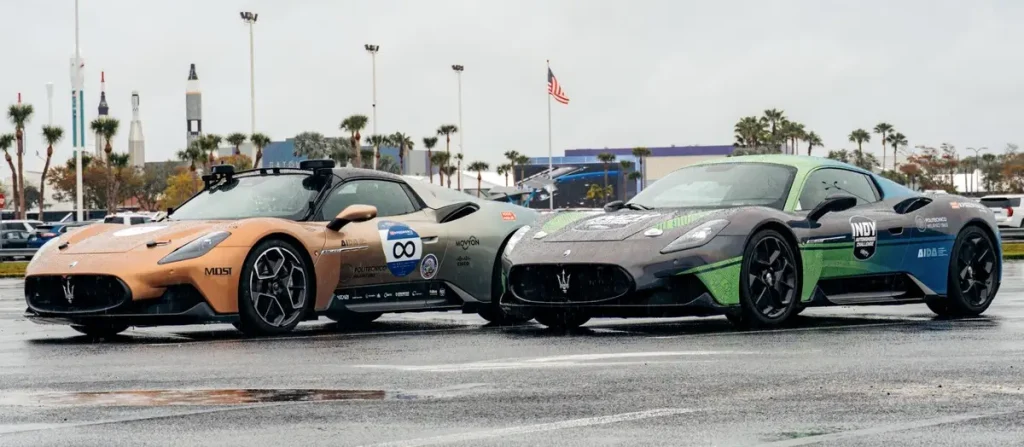
Moreover, this milestone has sparked a broader conversation about the future of motorsports and competitive racing. Autonomous racing is an emerging field that challenges traditional notions of what constitutes a “race.” Events such as the Indy Autonomous Challenge have already begun to explore the potential of self-driving race cars, and the MC20’s record run adds further credibility to the idea that machines, when equipped with the right technology, can perform at levels that rival or even exceed those of human drivers. This development raises intriguing questions about the future of motorsports: Will there come a time when driverless races become a recognized discipline? How might human drivers and autonomous systems coexist or even collaborate on the racetrack? While these questions remain speculative, the current achievement provides a solid foundation for further exploration.
In addition to the impact on competitive racing, the successful demonstration of high-speed autonomous driving carries significant implications for the future of luxury and performance vehicles. As manufacturers increasingly focus on integrating advanced technologies into their offerings, consumers can expect a future where high-performance driving is complemented by enhanced safety features and greater convenience. For a brand like Maserati, which has long been synonymous with performance and Italian craftsmanship, embracing autonomous technology represents a natural evolution. It signals the company’s commitment to innovation while preserving the core attributes that have defined its identity for decades.
The Journey Ahead: Research, Collaboration, and Technological Convergence
Looking forward, the successful driverless run of the MC20 is likely to stimulate further research and development in the realm of autonomous driving. Collaborative efforts between academic institutions, technology firms, and automotive manufacturers will be crucial in refining the algorithms that govern self-driving systems. These partnerships are expected to accelerate the pace of innovation, allowing for the rapid integration of new technologies such as improved sensor arrays, faster processing units, and more sophisticated machine learning models. As these elements converge, the possibility of deploying autonomous systems in everyday vehicles becomes increasingly tangible.
The experience garnered from testing autonomous systems at high speeds also offers valuable lessons in safety and reliability. In controlled environments like test tracks or runways, engineers can push the boundaries of what is possible, collecting data under extreme conditions that would be difficult or dangerous to replicate on public roads. This data is then used to improve the performance of self-driving software, making it more resilient and adaptable to a wide range of scenarios. Over time, these enhancements could translate into significant safety benefits for consumer vehicles, particularly in scenarios where human reaction times are insufficient to prevent accidents.
The Maserati MC20’s autonomous achievement is emblematic of a broader shift within the automotive industry, where performance and safety are no longer seen as mutually exclusive. Instead, they are increasingly viewed as complementary aspects of a vehicle’s overall design philosophy. The integration of autonomous systems into high-performance cars represents a bold reimagining of what these vehicles can achieve. It challenges the conventional wisdom that supercars are solely about raw power and driver skill, suggesting instead that the future of performance driving may well be defined by the intelligent integration of human and machine capabilities.
Conclusion
The record-setting, driverless run of the Maserati MC20 at nearly 198 mph is a landmark event that encapsulates the transformative potential of autonomous technology within the high-performance automotive sector. This extraordinary achievement not only underscores the technical mastery embodied by the MC20 but also heralds a future where autonomous systems can safely and effectively manage even the most extreme driving conditions. By leveraging advanced sensors, real-time data processing, and sophisticated machine learning algorithms, the MC20 has demonstrated that the integration of self-driving technology into supercars is not only viable but also ripe with promise for enhancing performance, safety, and innovation.
As the automotive industry continues to evolve, the insights gleaned from this achievement will undoubtedly influence the development of both luxury vehicles and consumer-oriented autonomous systems. The convergence of performance engineering and advanced technology in the MC20 sets a new benchmark for what can be achieved when innovation is placed at the forefront of design. While many challenges remain on the road to fully autonomous high-speed driving, this milestone is a clear indication that the future of mobility will be defined by an unprecedented fusion of power, precision, and intelligent automation. The journey ahead is one of continuous improvement and collaboration, promising exciting developments that will redefine the boundaries of what is possible in automotive performance and safety.